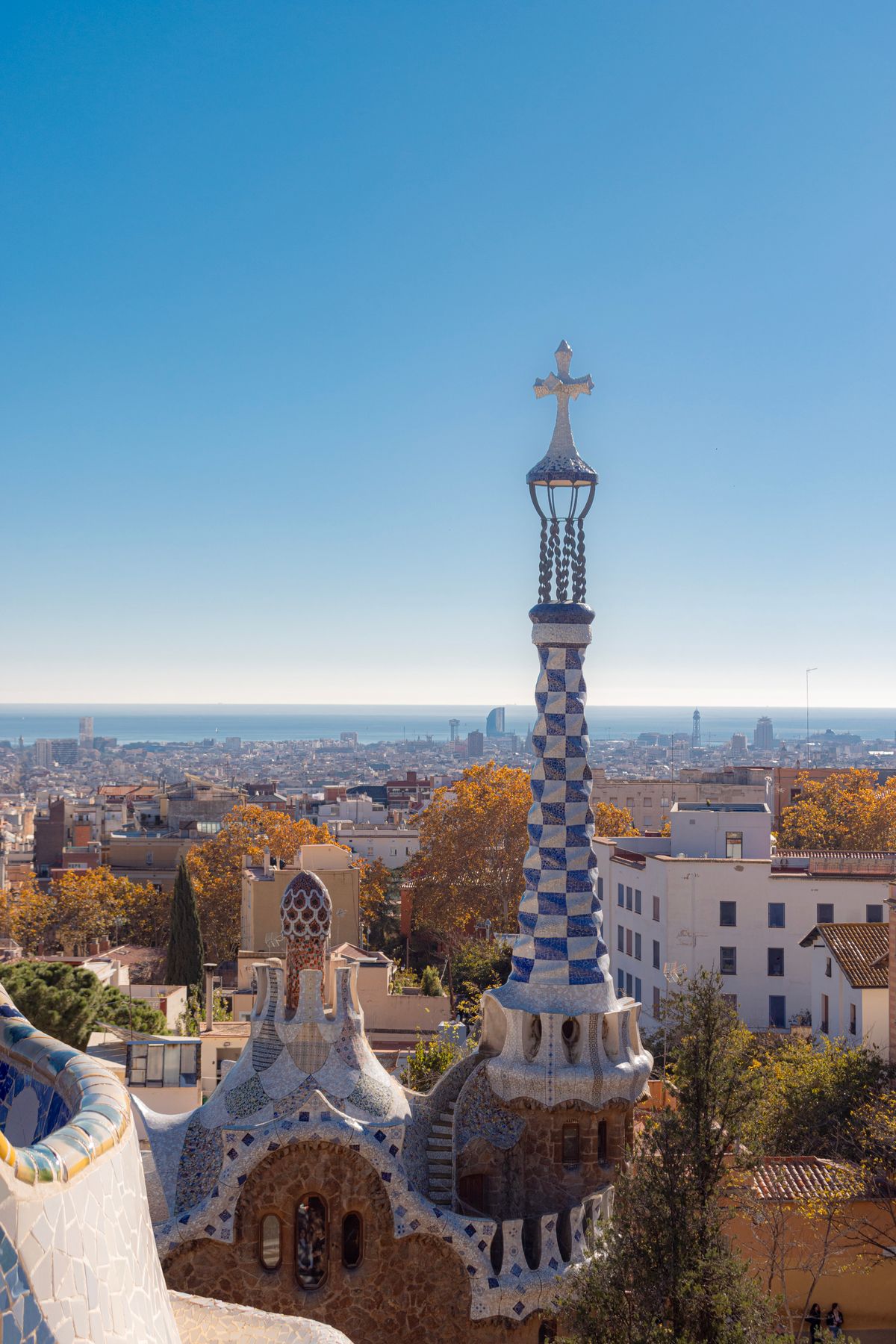
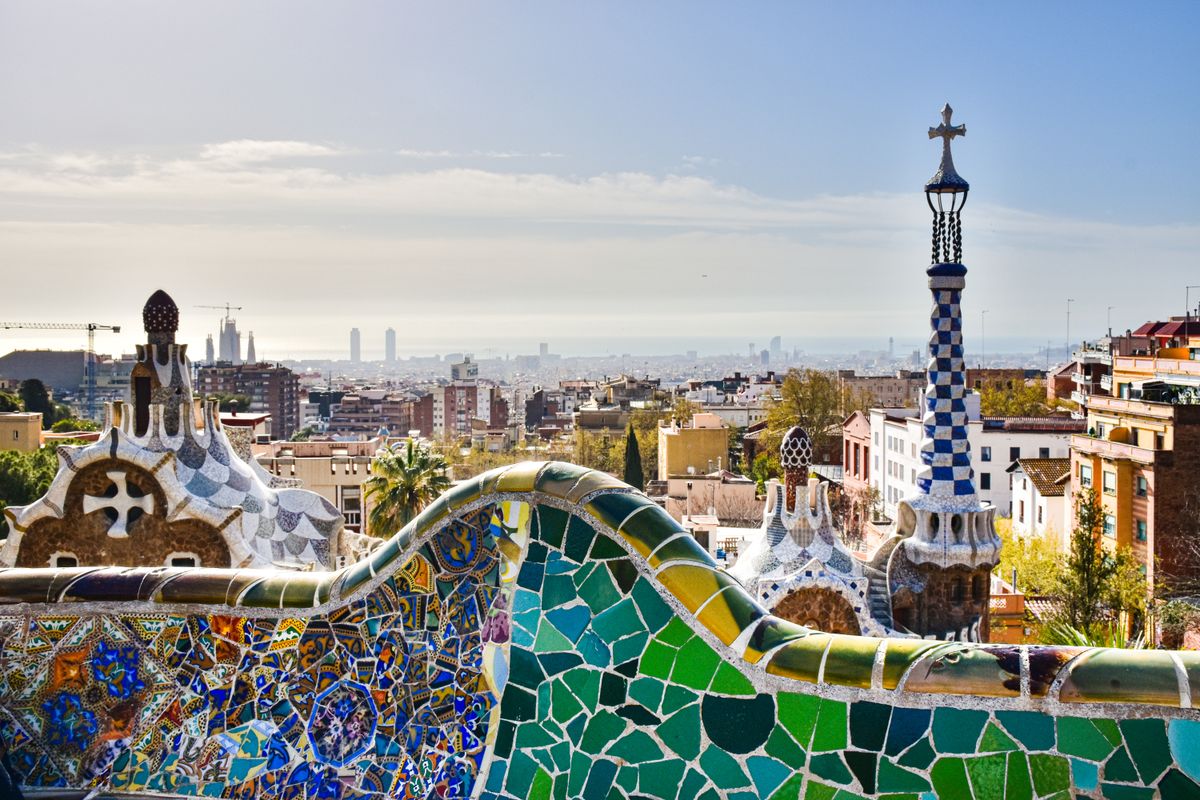
Barcelona Travel Guide
Gaudí's dream, the rhythm of the Mediterranean.
Last updated: 2026-09-05
The city's 24-hour rhythm.
Turn the dial to any hour and it tells you where you should be.
El Born: Bohemian and Lively
Boutiques, art galleries, and great tapas bars.
Barcelona: places to visit
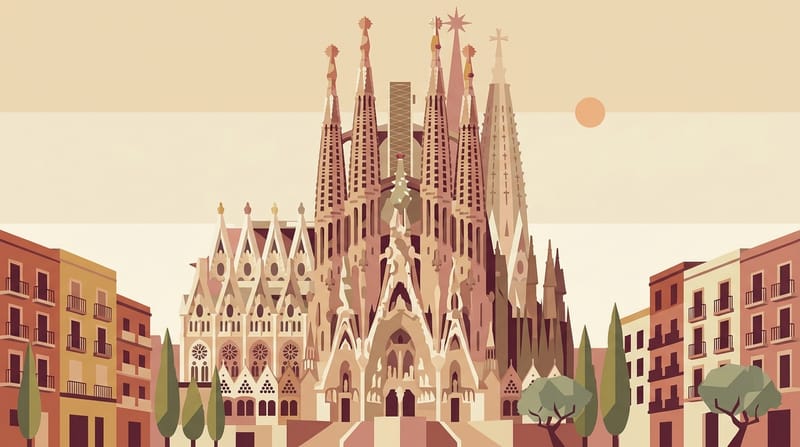
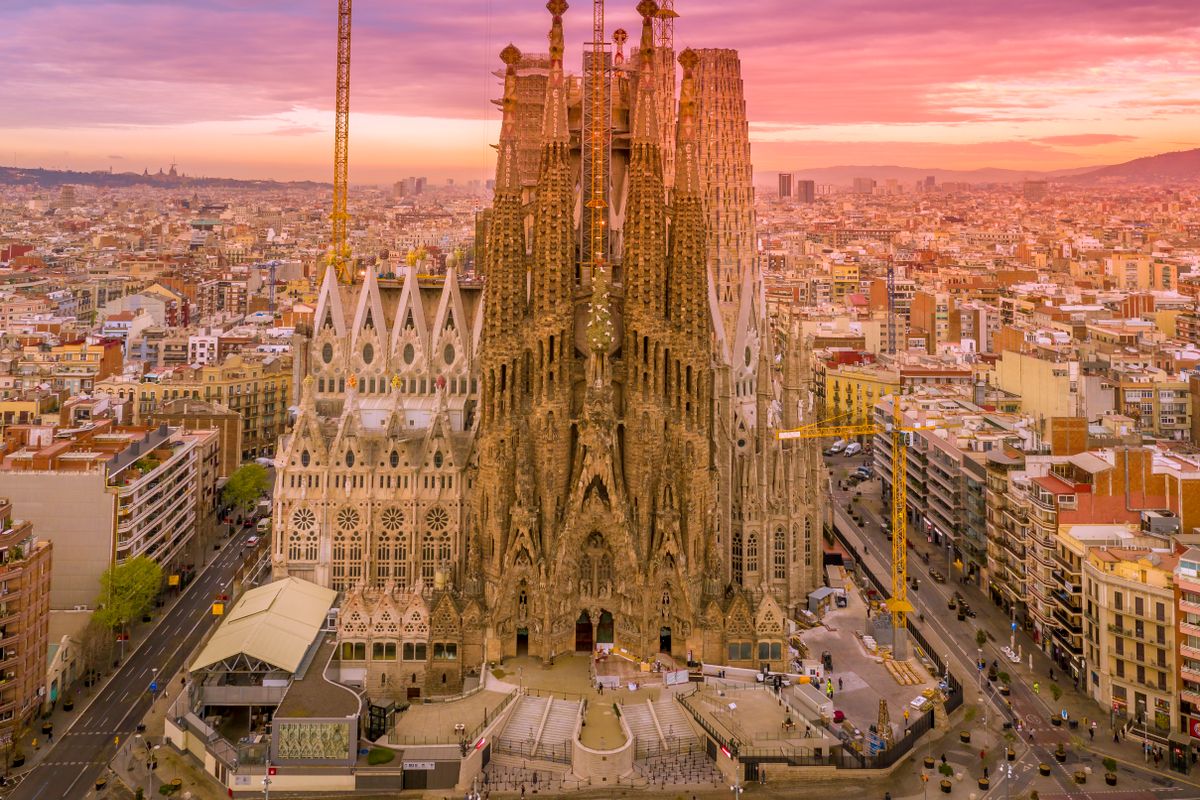
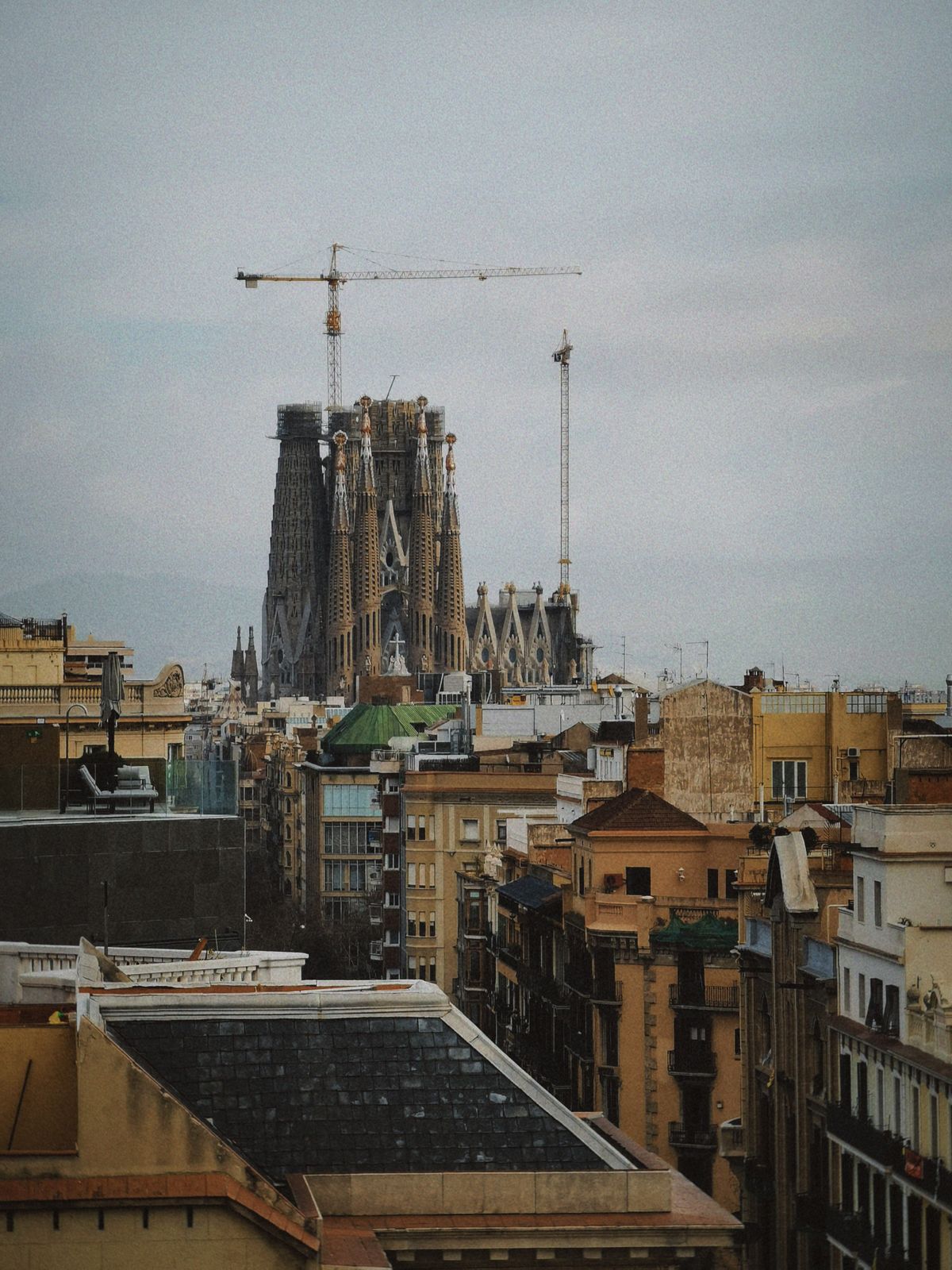
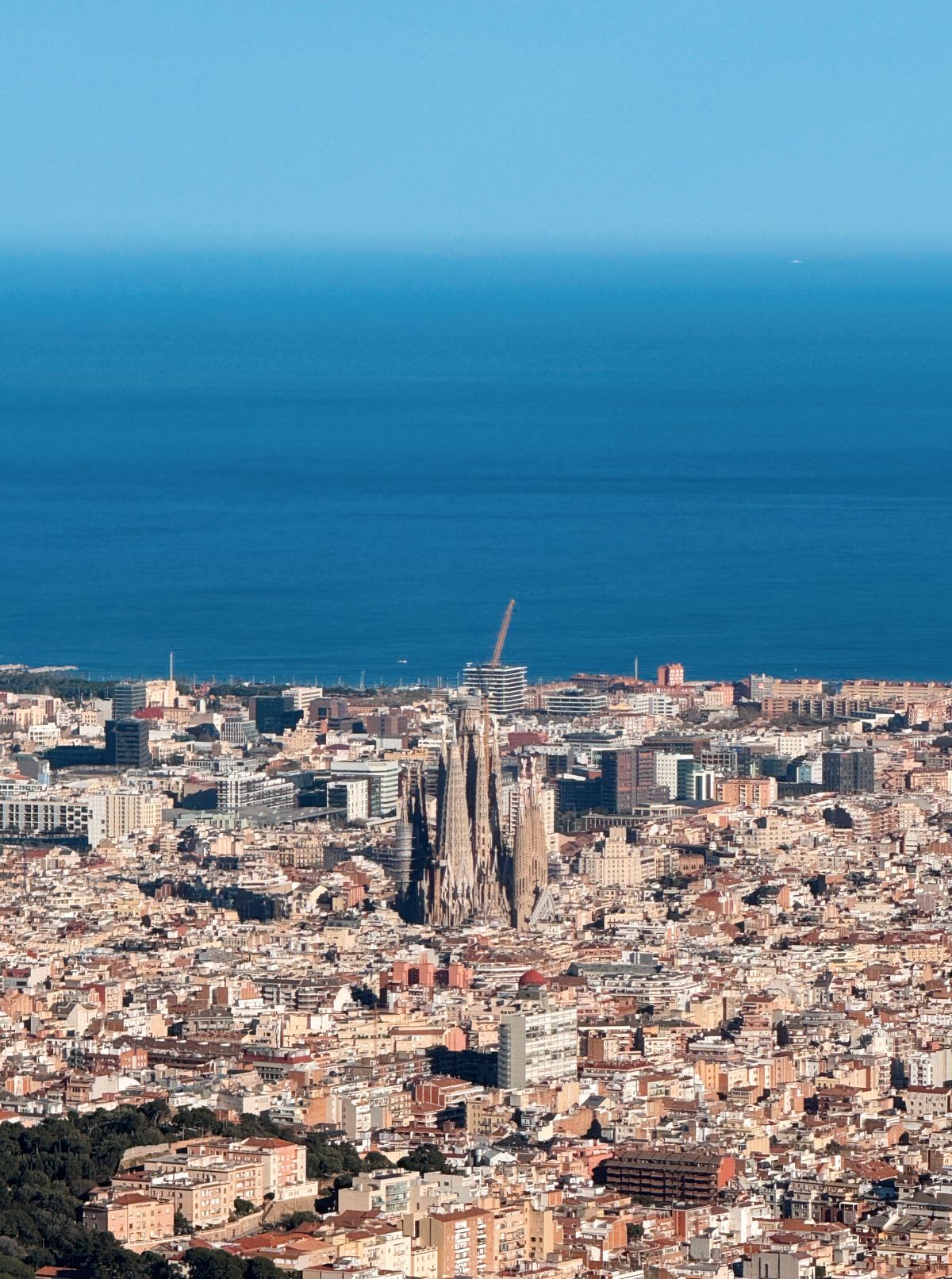
Sagrada Família
Antoni Gaudí's legendary masterpiece, under construction since 1882.
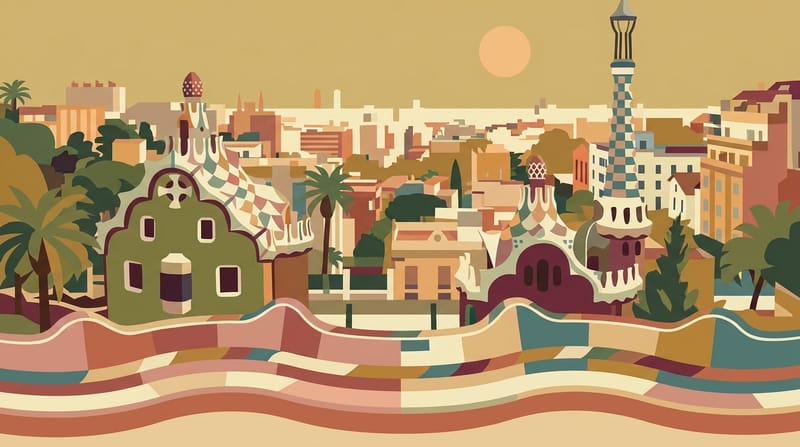
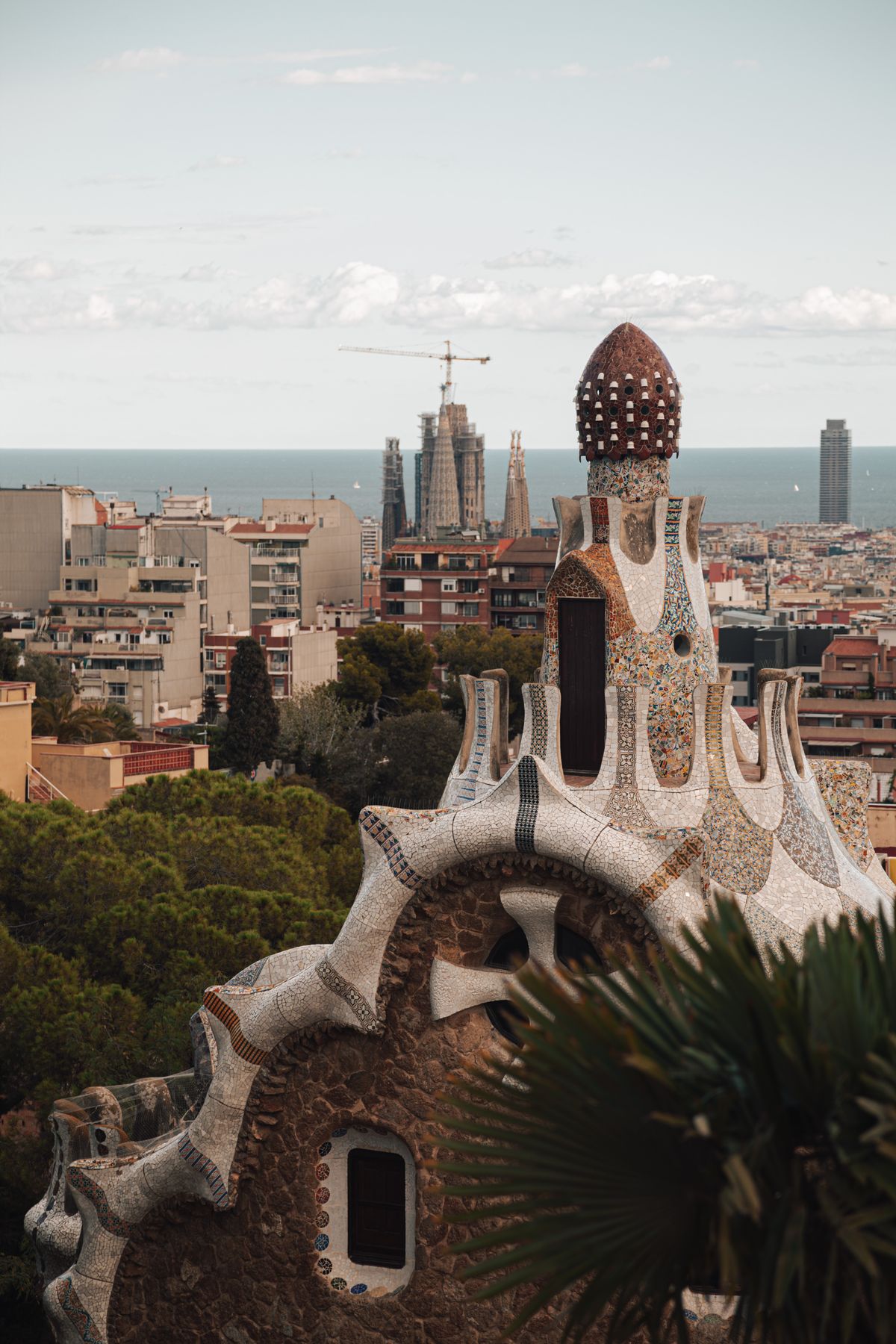
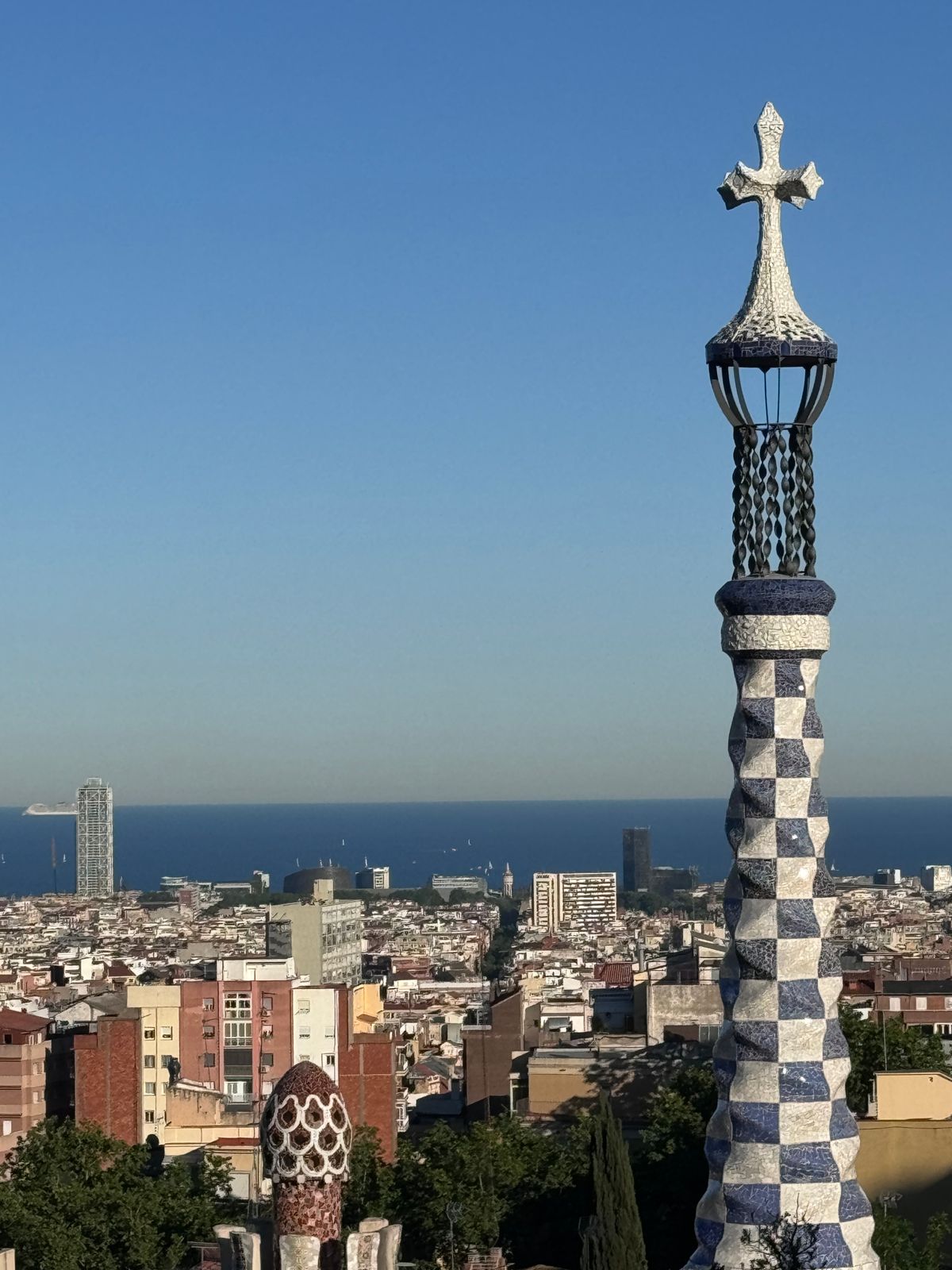
Park Güell
A fairytale park covered with mosaics, a symbol of Catalan modernism.
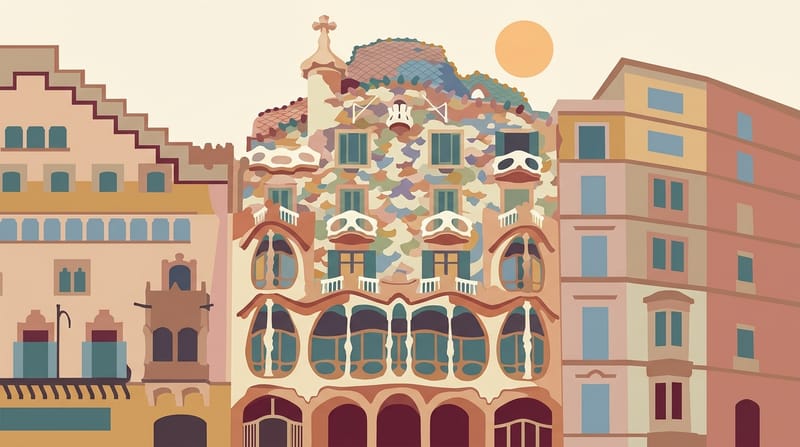
Casa Batlló
One of Gaudí’s most iconic buildings, with a bone-like façade and a roof that evokes a dragon’s back.
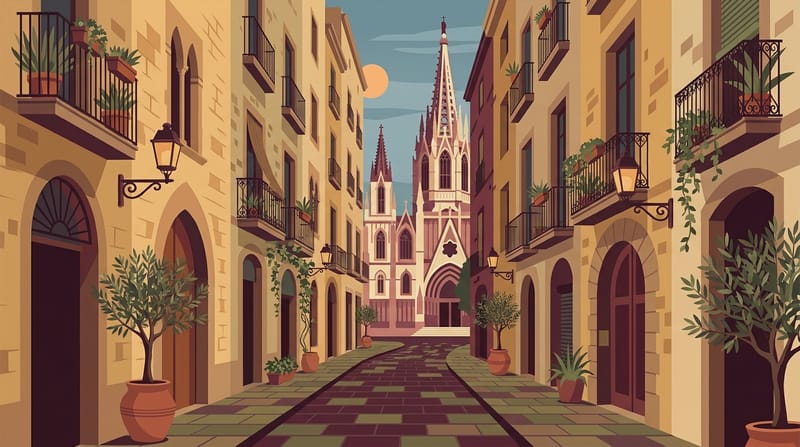
Barri Gòtic
Winding streets surrounded by historic Roman ruins and Gothic buildings.
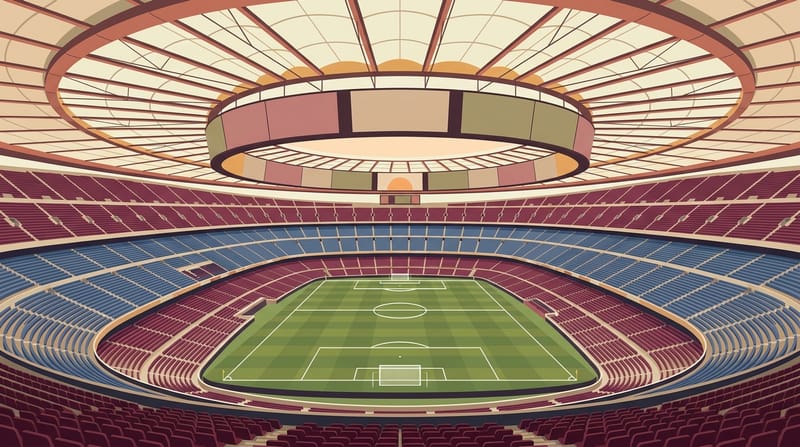
Barça Immersive Tour
While Spotify Camp Nou is being renovated, this temporary experience explores FC Barcelona history through the museum, multimedia exhibits and a stadium viewpoint.
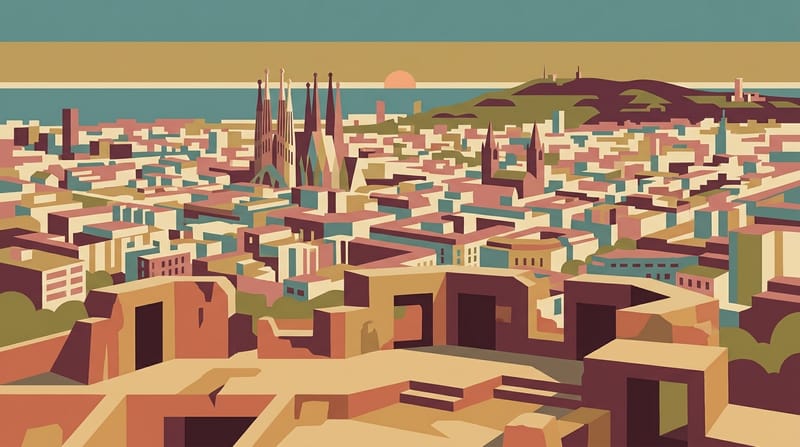
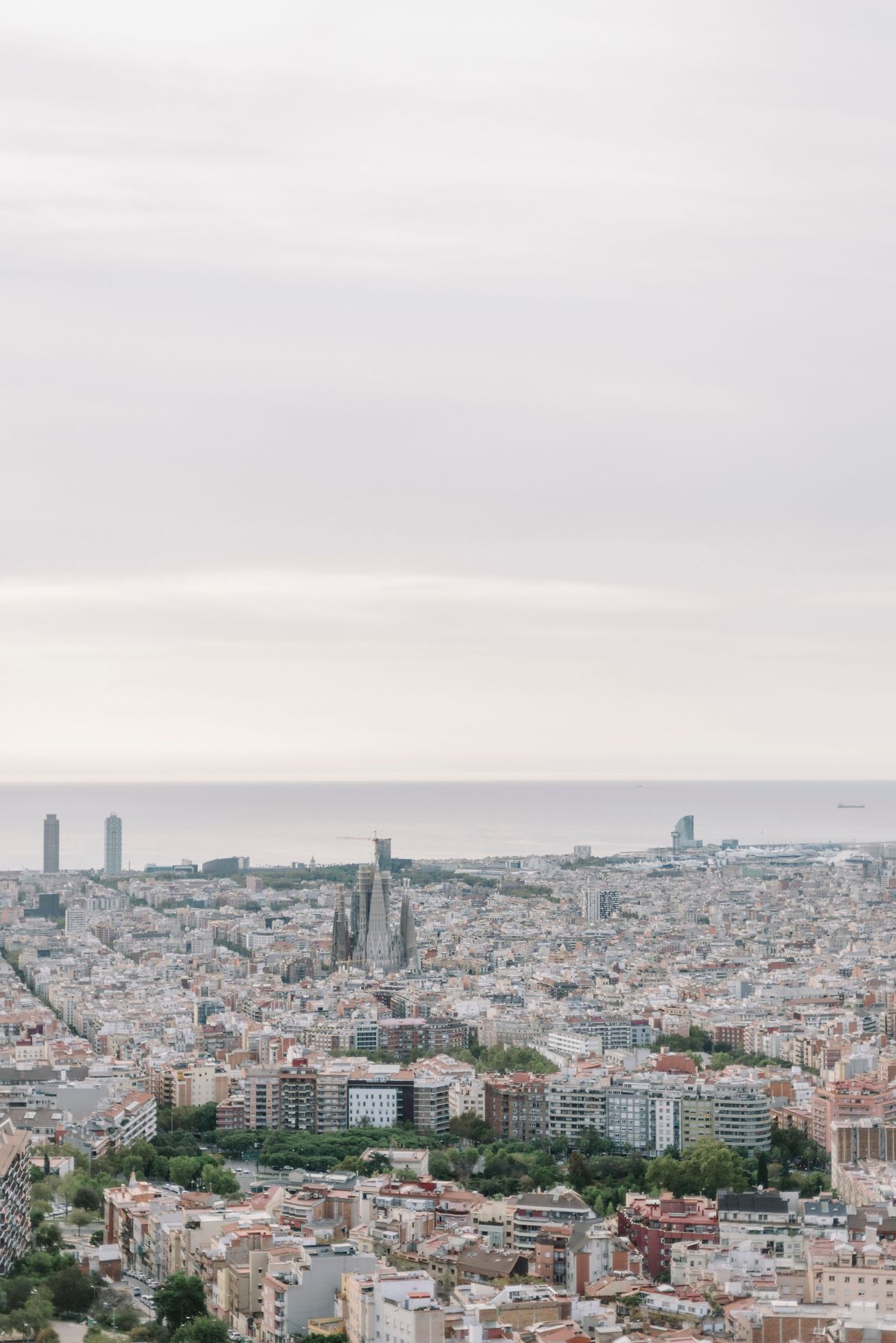
Bunkers del Carmel
Remains of an anti-aircraft battery built during the Spanish Civil War, with sweeping panoramic views over the city.
What to eat in Barcelona
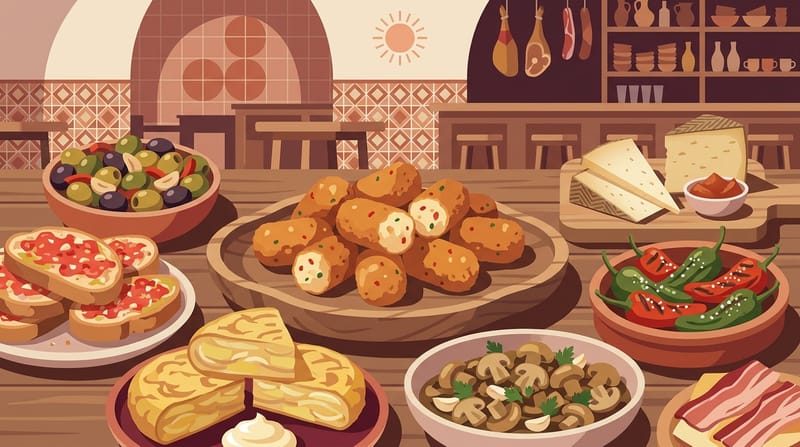
Tapas Variadas
Small plates made for sharing.Order a few different tapas and share them around the table—one of the easiest ways to sample several flavours in Barcelona.
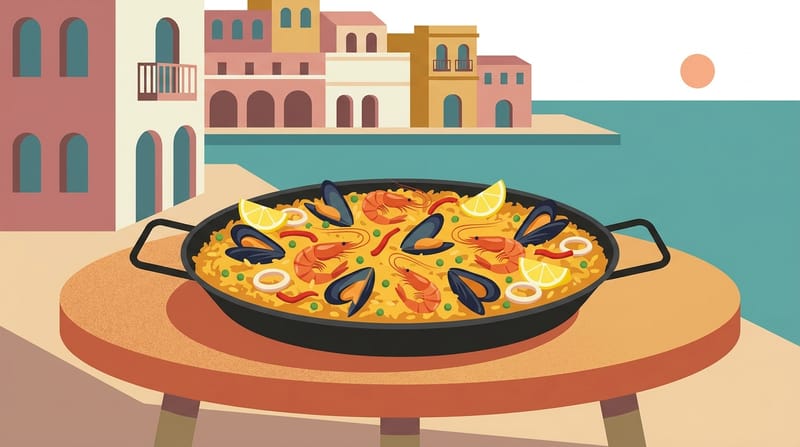
Paella de Marisco
Seafood and saffron rice in one pan.Paella comes from Valencia, but seafood versions are widely served in Barcelona, especially around the waterfront.
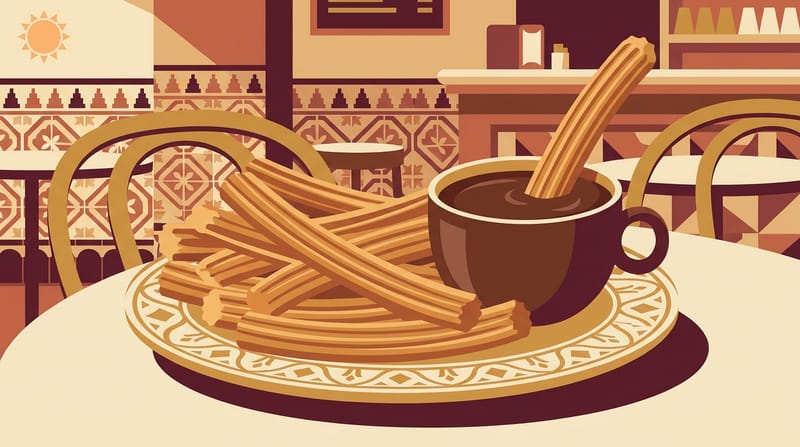
Churros con Chocolate
Crisp churros with thick hot chocolate.Dip the churros into thick hot chocolate—a classic treat for breakfast or a cool evening.

Crema Catalana
Catalan custard with a crisp caramelised sugar crust.A light dessert flavored with lemon zest and cinnamon, covered with caramelized sugar.
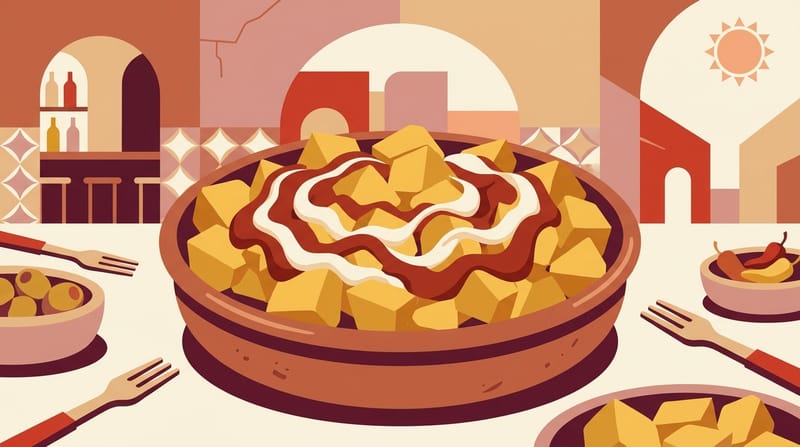
Patatas Bravas
Crispy potatoes with spicy sauce.Fried potato chunks served with spicy bravas sauce, often with aioli on the side or drizzled over the top.
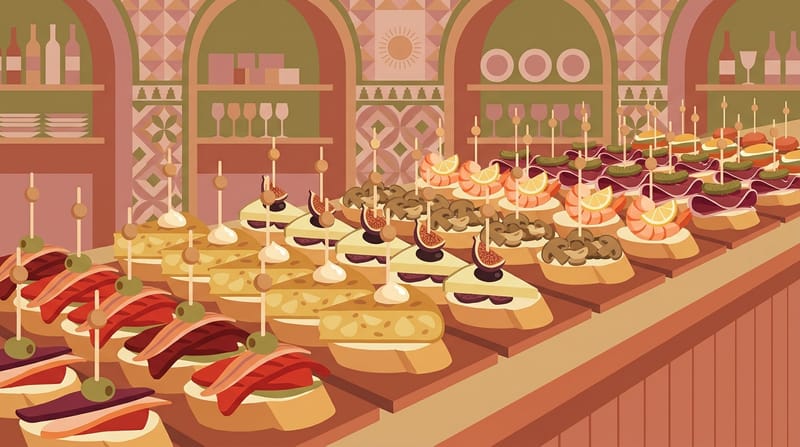
Pintxos Vascos
Basque-style bar bites in a single mouthful.Pintxos are Basque rather than Catalan, but many Barcelona bars serve them on slices of bread; in some traditional spots, the bill is still tallied by the toothpicks left on your plate.
Where to stay
| Areas | EixamplePrice: High | Gothic Quarter (Barri Gòtic)Price: High | GràciaPrice: Medium | PoblenouPrice: Medium | BarcelonetaPrice: High |
|---|---|---|---|---|---|
| Atmosphere | With its broad grid layout, Modernista architecture and Passeig de Gràcia axis, it is a very balanced and central area to stay for a first visit. | One of the most atmospheric choices for those who want to stay in the heart of Roman and medieval Barcelona, very close to the cathedral, Plaça de Sant Jaume and historic streets. | With pedestrian squares, cafés and neighborhood-scale social life, it suits travelers seeking a more local and everyday Barcelona experience. | Around Rambla del Poblenou, this former industrial area offers a calmer social axis with cafés, restaurants and local businesses, while also being close to the beach. | A strong choice for travelers who want the sea and beach at the center of their daily plans; it is close to the historic center but defined by coastal life. |
| Best for | First-time visitorsThose wanting a central locationArchitecture and city walksEasy access to shopping and restaurants | Historic centerFirst-time visitorsThose who want to walk to sightsShort city breaks | Local neighborhood atmosphereCafé and square cultureEvening socializingA calmer city rhythm | Proximity to the beachA quieter stayCafés and restaurantsLong walks | Beach and seaSeafront walksSummer travelThose wanting to stay near Ciutat Vella |
| Accommodation profile | PriceHighNightlifeMediumWalkabilityHigh | PriceHighNightlifeHighWalkabilityHigh | PriceMediumNightlifeHighWalkabilityHigh | PriceMediumNightlifeMediumWalkabilityHigh | PriceHighNightlifeHighWalkabilityHigh |
| Transport | Access to multiple metro lines and urban bus connectionsStrong public transport connections around Passeig de Gràcia | Walking access to the metro and bus lines in the city centreWalking access to many central points of interest | Connections to central areas by metro and busHigh level of pedestrian movement within the neighbourhood | Access to stations along and around the L4 metro lineStrong pedestrian movement along Rambla del Poblenou | Metro L4 - BarcelonetaV15, V19, 47, 59 and D20 buses |
| Advantages |
|
|
|
|
|
| Consider |
|
|
|
|
|
Planning notes.
Researched recommendations, practical information and route decisions.
- Choose a Sagrada Família ticket with tower access for a different perspective on Gaudí’s basilica and the Barcelona skyline.
- Visit Park Güell early in the morning or toward the final entry hours of the day for a calmer look at the mosaics and city views.
- Taste fresh seafood and tropical fruit juices at Mercat de la Boqueria.
- Don’t choose a paella place on La Rambla just for its location; tourist-menu restaurants can be overpriced and mediocre. Check the menu and recent reviews first.
- Avoid going down to the beach at midday in mid-summer; it gets very hot and crowded.
- On the metro and in crowded tourist areas, keep your bag closed and, where practical, carry a backpack in front or within sight.
- In 2026, a 1-zone T-Casual gives you 10 journeys and can be good value for lighter use, but it is not valid at the Aeroport T1/T2 metro stations on L9 Sud.
- Many municipal museums offer free admission on the first Sunday of the month, but the rules vary by museum, so check in advance.
- Dinner tends to be late in Barcelona; many restaurants get busier between about 8:30 and 10:00 pm.
Barcelona map
What will it cost me?
Figures are per-person daily USD estimates compiled from BudgetYourTrip, Numbeo and recent traveller reports. Flight/ferry tickets not included.
✓ Prices are compiled from real traveller spending. · Last updated: Aug 2026
How many days?
Choose the best route for your schedule.
What to know before you go.
Tourist traps, SIM, money, taxis, safety, health, transit and language — the city in eight answers.
112 — the free EU-wide emergency number for police, ambulance or fire services.
Before posing with the living statues on La Rambla, clarify whether a tip is expected; disputes over payment can happen after the photo.
scamPickpocketing is one of the most common risks for visitors. Keep a close eye on your phone, bag and pockets, especially on the metro, in crowds and around major sights.
safetyTap water is drinkable but may taste a bit like chlorine; you may prefer bottled water.
healthThe Hola Barcelona Travel Card includes unlimited public transport and the airport metro. If you will make fewer trips, the 10-journey T-Casual may be cheaper, but it is not valid at Aeroport T1/T2 metro stations on L9 Sud.
cardSpanish “Hola” and “Gracias” work perfectly well; adding Catalan “Bon dia” (good morning) and “Gràcies” (thank you) is a nice local touch.
languageBarcelona: weather and crowds by month
🎒 What to pack
- ✔ Walking shoes
- ✔ Power adapter
- ✔ Umbrella
- ✔ Sunscreen
- ✔ Hat
- ✔ Light clothing
FLIGHTS
Airport to city
Metro L9 SudAeroport T1/T2 ↔ Zona Universitària; city network via Torrassa, Collblanc and other interchange points
TMB states that the metro journey from the airport toward the city takes about 32 minutes.
Best for: Travelers who want a direct connection to the metro network and to avoid road-traffic risk
Limitations: L9 Sud does not go directly to Plaça Catalunya; many central destinations require a transfer at stations such as Torrassa, Collblanc or Zona Universitària.
♿ Accessible
↗ Official sourceAerobús A1 / A2A1: Terminal 1 ↔ Plaça Catalunya; A2: Terminal 2 ↔ Plaça Catalunya
The official route page confirms service between T1/T2 and central stops; no fixed journey time is given because it depends on traffic conditions.
Best for: Travelers staying around Plaça Catalunya, Plaça Espanya or Sepúlveda/Gran Via who want fewer transfers
Limitations: Because it uses the road network, journey time can be affected by traffic; A1 and A2 are separated by terminal.
↗ Official sourceTMB 46Aeroport BCN ↔ Plaça Espanya
TMB states that airport bus and rail links can generally reach the city center in the 30–40 minute range; for route 46, the exact time depends on traffic and stops.
Best for: Travelers seeking an economical public-transport option to the Plaça Espanya area
Limitations: It has more regular city-bus stops than Aerobús and is affected by traffic; it does not go directly to Plaça Catalunya.
↗ Official source