Budapest Travel Guide
Thermal baths and Danube views
Last updated: 2026-09-05
The city's 24-hour rhythm.
Turn the dial to any hour and it tells you where you should be.
Széchenyi Bath Thermal Vibes
Steaming outdoor pools surrounded by a yellow Neo-Baroque palace where locals play chess.
Budapest: places to visit
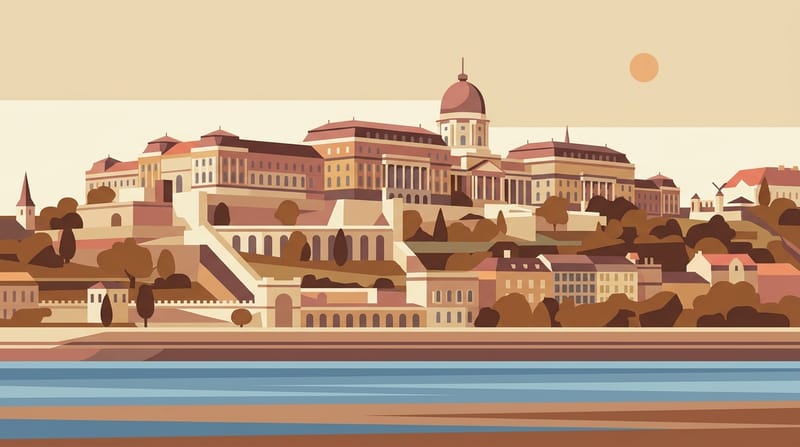
Buda Castle
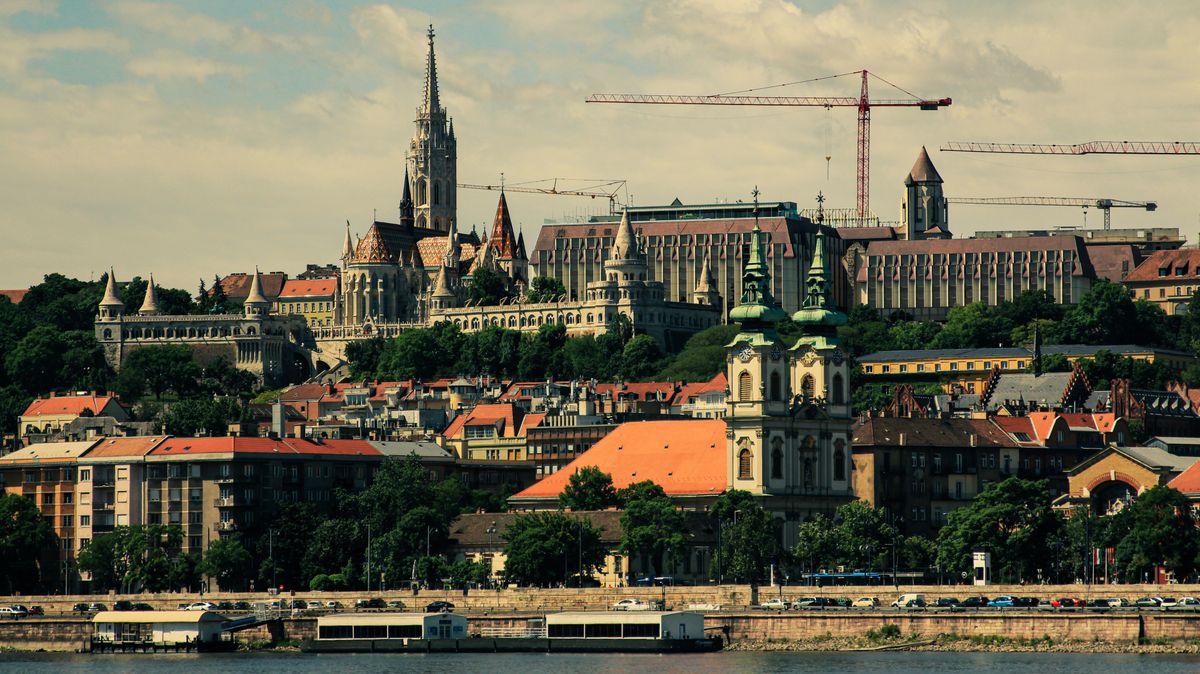
Historic royal palace and museum complex overlooking the Danube River.
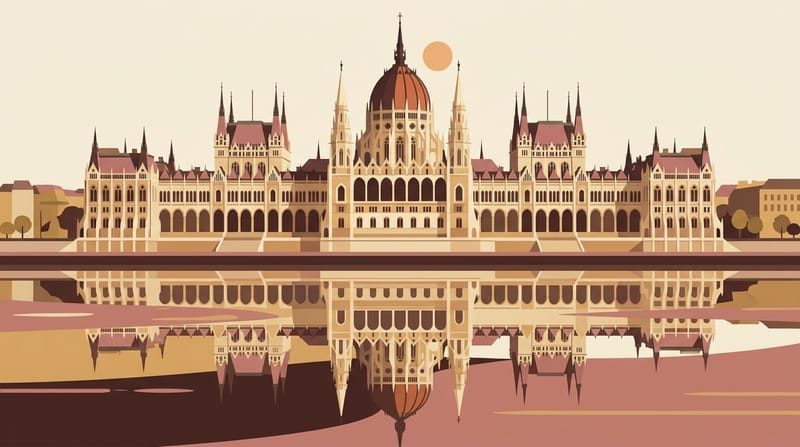
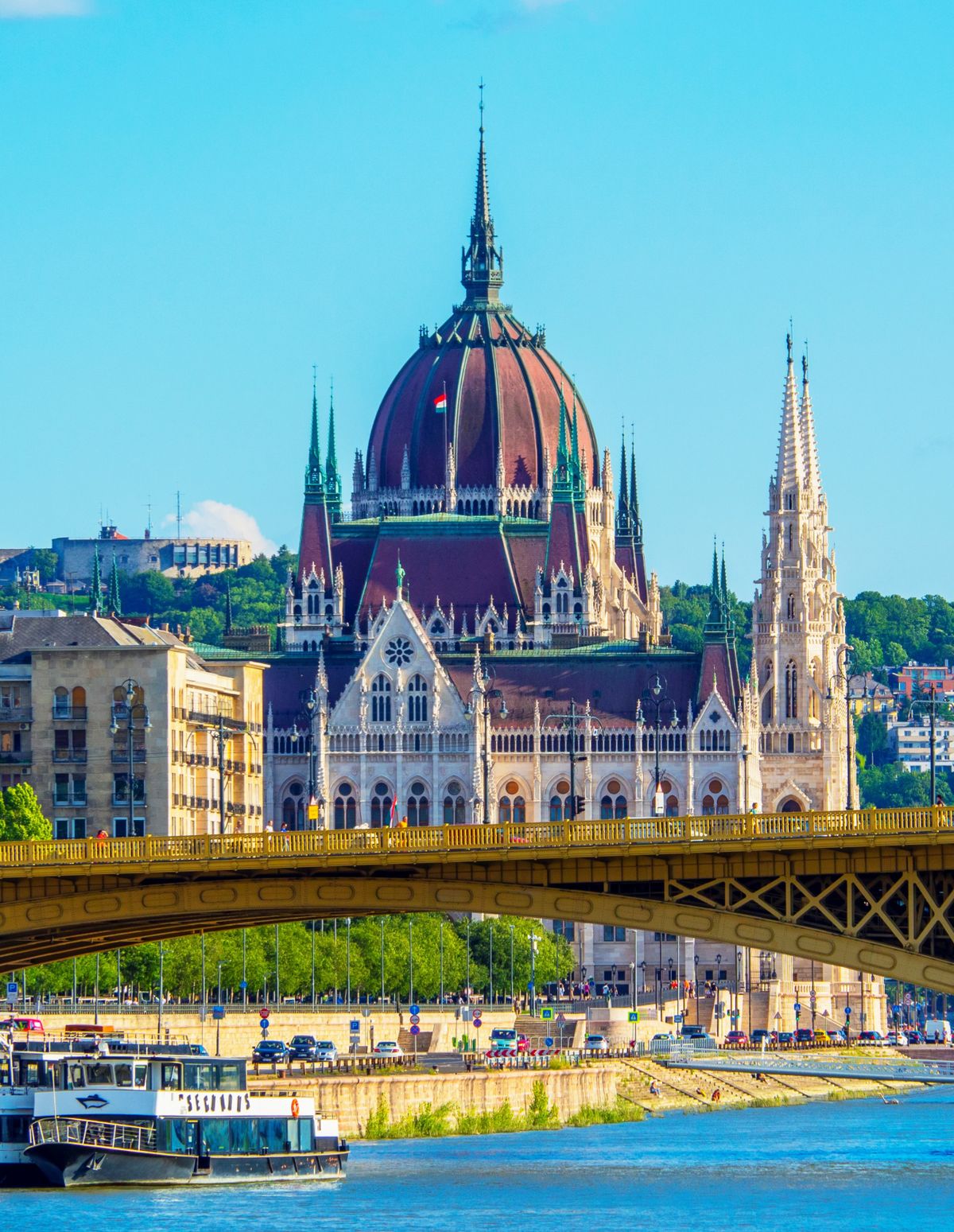
Parliament Building
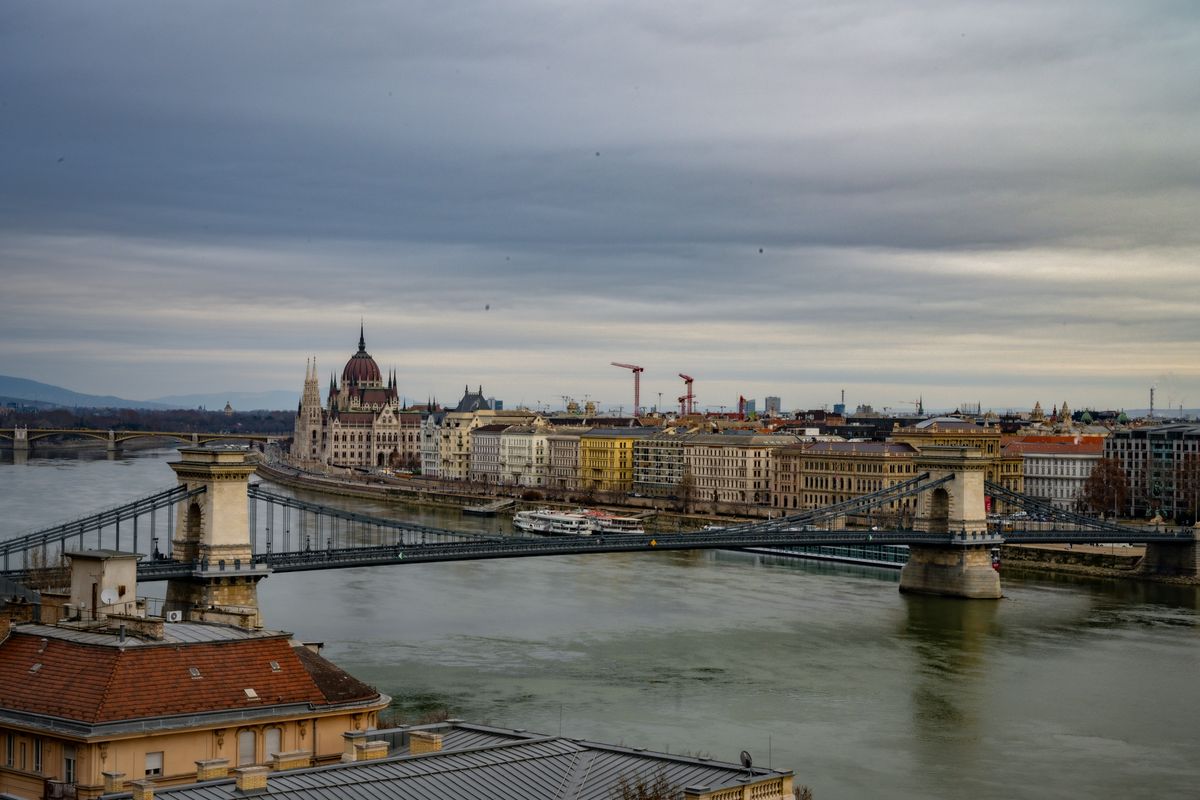
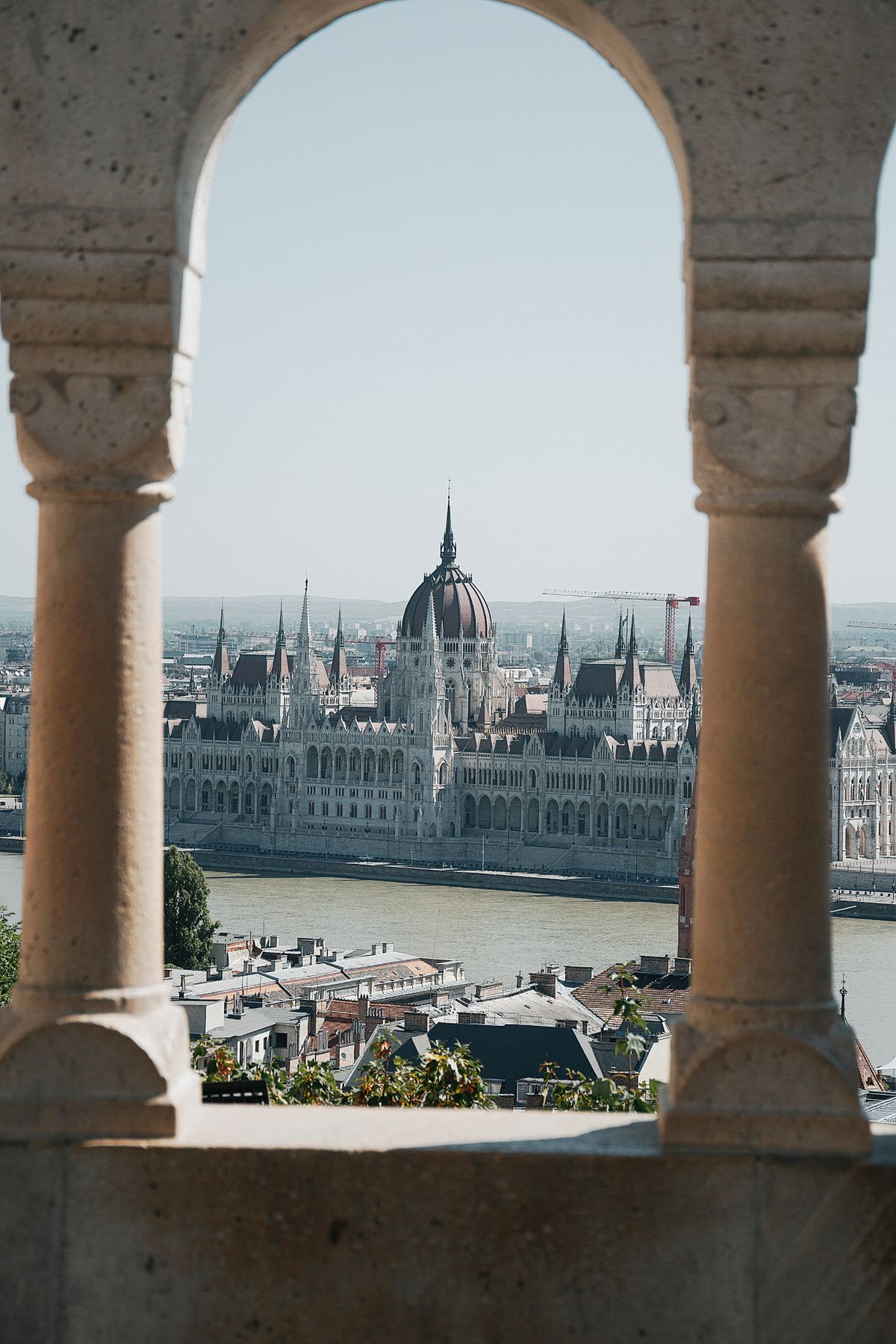
The city's most iconic landmark with grand neo-Gothic architecture on the riverbank.
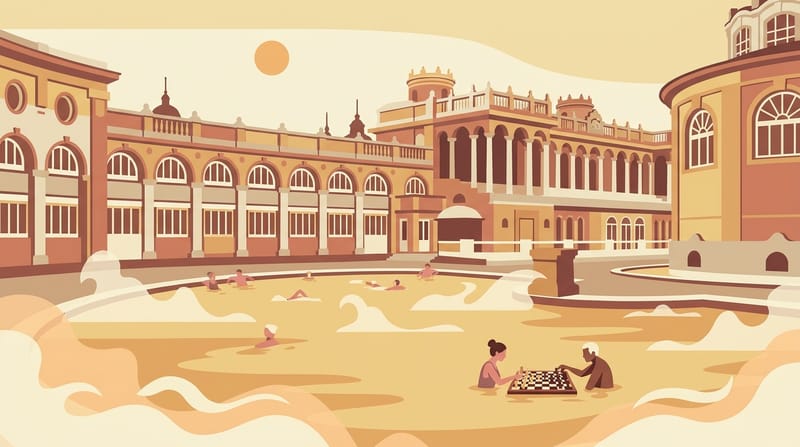
Széchenyi Baths
One of Europe's largest thermal bath complexes with steaming outdoor and indoor pools.
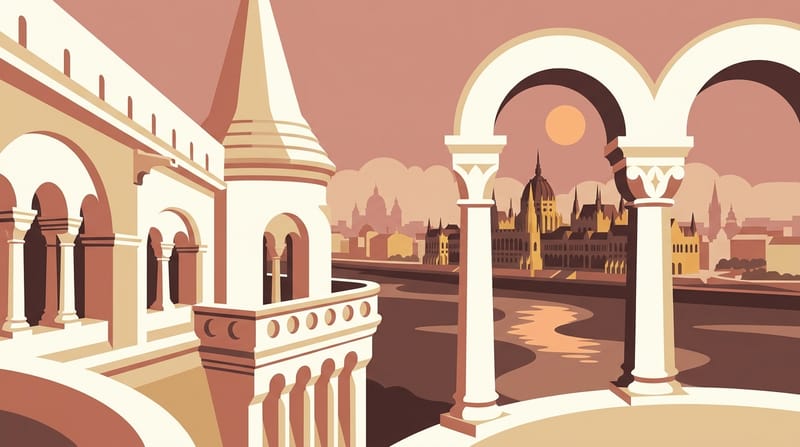
Fisherman's Bastion
Fairy-tale lookout towers offering panoramic views of Pest across the river.
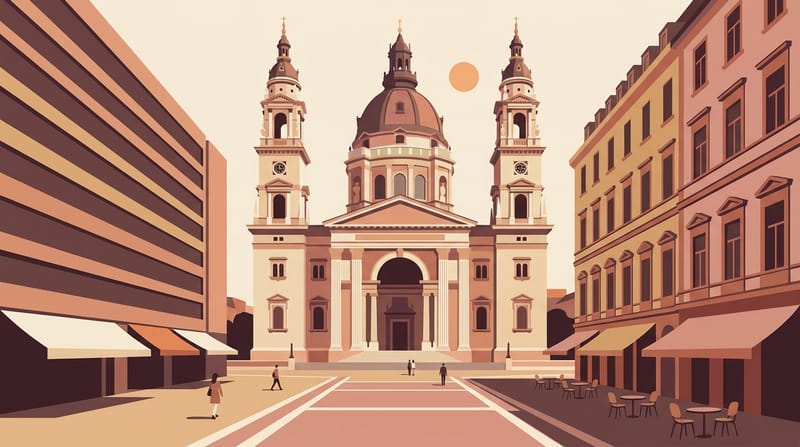
St. Stephen's Basilica
Grand Neoclassical church housing the mummified right hand of Hungary's first king.
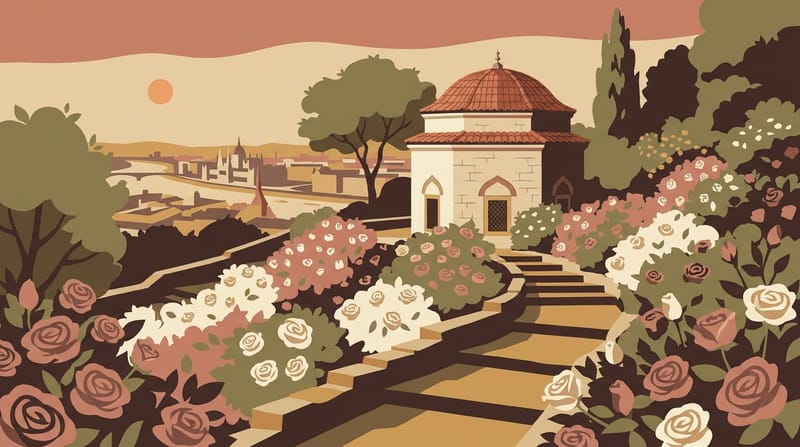
Gül Baba's Tomb
Peaceful Ottoman tomb on the Buda side surrounded by fragrant rose gardens.
What to eat in Budapest
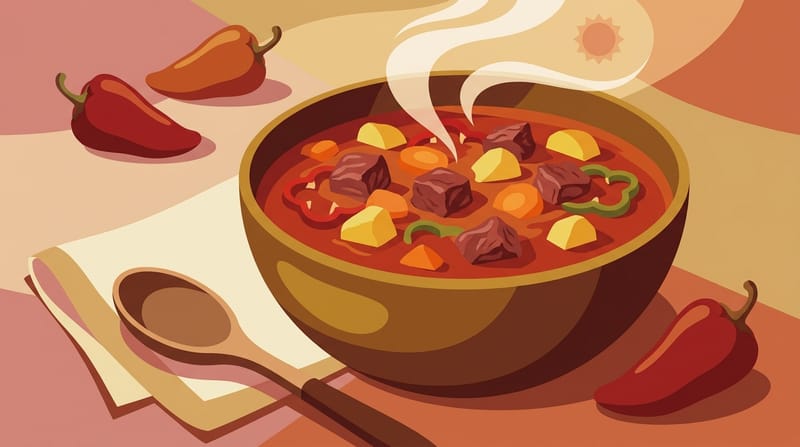
Goulash
Hungary's national paprika beef soupA rich, hearty soup made with slow-cooked beef, vegetables, and abundant Hungarian paprika.
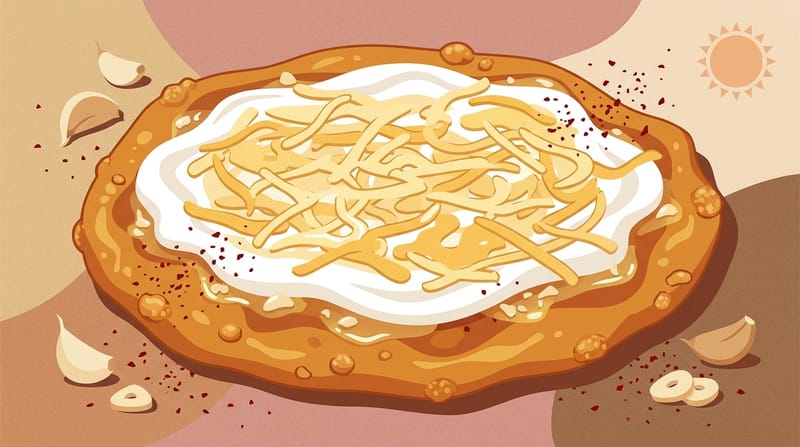
Lángos
Deep-fried dough topped with garlic, sour cream, and cheeseHungary's iconic street food: deep-fried flatbread brushed with garlic water, slathered with sour cream and grated cheese.
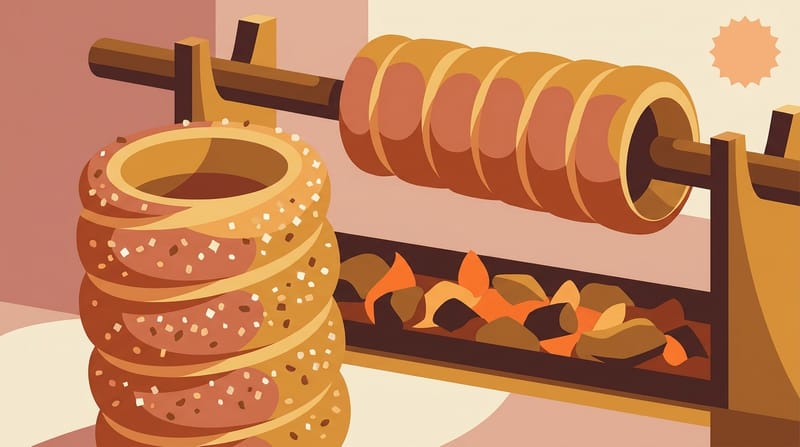
Kürtőskalács
Traditional spit-roasted chimney cake with sugar and cinnamonSweet dough wrapped around a wooden spit, baked over embers, and rolled in sugar, cinnamon, or walnuts.
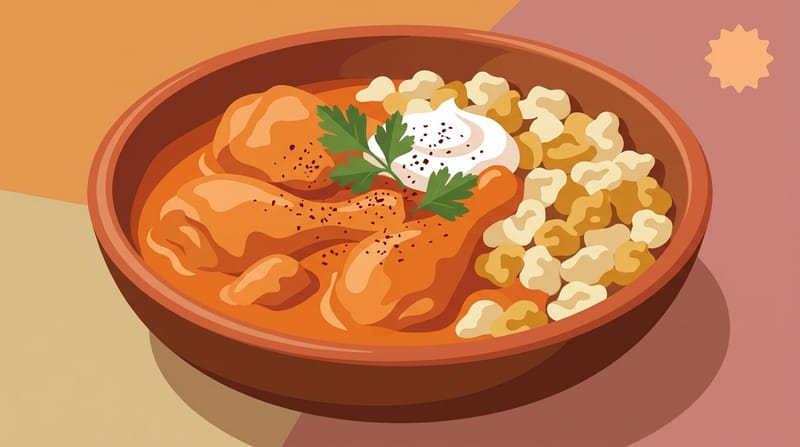
Chicken Paprikash
Tender chicken in creamy paprika sauce with nokedli dumplingsTender chicken simmered in sweet Hungarian paprika and sour cream, served with homemade egg dumplings.

Dobos Torte
Classic Hungarian sponge cake with chocolate buttercream and caramel topA multi-layered sponge cake filled with chocolate buttercream and topped with a hard caramel glaze.
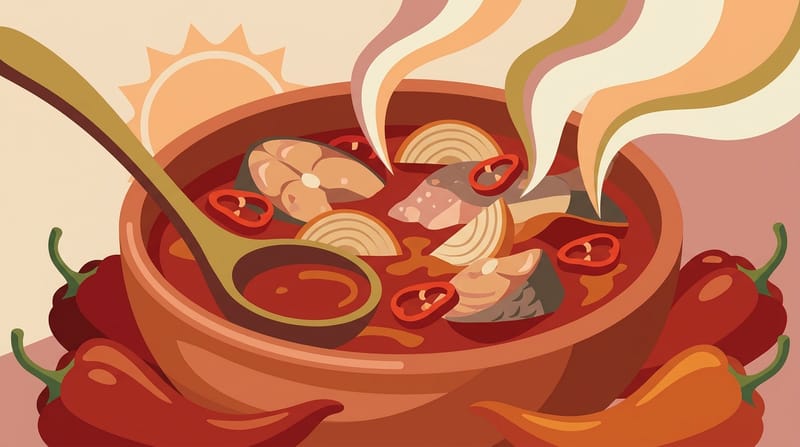
Halászlé
Spicy Hungarian fisherman's soup with river fish and paprikaA fiery red river fish soup made with carp or catfish and generous amounts of hot paprika.
Where to stay
| Areas | Belváros-Lipótváros (District V)Price: High | Erzsébetváros / Jewish Quarter (District VII)Price: Medium | Terézváros / Andrássy út (District VI)Price: High | Buda Castle District (District I)Price: High | Palace District / Józsefváros (District VIII)Price: Medium |
|---|---|---|---|---|---|
| Atmosphere | One of the most practical areas to stay for first-time visitors who want to reach major central sights on foot. Deák Ferenc tér, Vörösmarty tér and the Danube riverfront are close to the city centre's main pedestrian and interchange areas. | The historic Jewish Quarter is a strong choice for those who want to be close to ruin-bar culture, restaurants and evening life. Parts near Deák Ferenc tér and the edge of the centre are especially convenient for transport. | The area around Andrássy út, Oktogon and the Opera offers a balanced mix of central location, classic urban character, café and restaurant access, and the M1 metro. | Suitable for travellers who want historic atmosphere, views and a quieter stay on the Buda side. Although very close to major historic sights, reaching Pest's nightlife requires more transport. | The Palace District behind the National Museum is a balanced alternative for travellers who want to stay near the centre while being slightly removed from District VII's intense nightlife. |
| Best for | First-time visitorsShort city breaksTravellers who want to explore on footTravellers who want direct 100E access to the airport | NightlifeSocial atmosphereProximity to restaurants and barsYoung travellers who want to stay centrally | A central location that is less nightlife-focused than District VIICafés and restaurantsCulture and architectureCouples | History and architectureRomantic staysQuieter eveningsViews | Culture and architectureA quieter base close to the centreCafésMid-range budgets |
| Accommodation profile | PriceHighNightlifeMediumWalkabilityHigh | PriceMediumNightlifeHighWalkabilityHigh | PriceHighNightlifeMediumWalkabilityHigh | PriceHighNightlifeLowWalkabilityMedium | PriceMediumNightlifeMediumWalkabilityHigh |
| Transport | M1, M2 and M3 metro connections100E Airport ExpressDense central bus and tram network | Deák Ferenc tér connectionsAreas close to the M2 metroTram and trolleybus connections | M1 metro4-6 tram connection at OktogonWalking to the centre | Buda bus routesClark Ádám tér and surrounding connectionsBridge and public transport connections to Pest | Access to M3 and M4 around Kálvin térTram and bus connectionsWalking to the centre |
| Advantages |
|
|
|
|
|
| Consider |
|
|
|
|
|
Planning notes.
Researched recommendations, practical information and route decisions.
- Relax in the thermal waters of Széchenyi or Gellért Baths.
- Take an evening Danube cruise to see the illuminated Parliament building.
- Explore the famous ruin bars in the Jewish Quarter, starting with Szimpla Kert.
- Avoid dining at overpriced tourist trap restaurants along Váci utca.
- Do not exchange money on the street or at unlicensed kiosks with bad rates.
- Never ride public transit without a ticket or without validating your paper ticket.
- Get a Budapest Card for unlimited public transit and discounts on major sights.
- Bring your own towel and flip-flops when visiting thermal baths to save money.
- Book your Hungarian Parliament interior tour tickets online weeks in advance.
Budapest map
What will it cost me?
Figures are per-person daily USD estimates compiled from BudgetYourTrip, Numbeo and recent traveller reports. Flight/ferry tickets not included.
✓ Prices are compiled from real traveller spending. · Last updated: Aug 2026
How many days?
Choose the best route for your schedule.
What to know before you go.
Tourist traps, SIM, money, taxis, safety, health, transit and language — the city in eight answers.
112 — the free EU-wide emergency number for police, ambulance or fire services.
Always check menu prices and whether service charge is included before tipping.
scamBudapest is safe overall; watch out for pickpockets in crowded nightlife areas and tourist trams.
safetyTap water is safe and clean to drink throughout the city.
healthDownload the BudapestGO app to purchase single tickets or 24/72-hour pass digitally.
card"Szia" (Hello/Goodbye) and "Köszönöm" (Thank you) will put a smile on local faces.
languageBudapest: weather and crowds by month
🎒 What to pack
- ✔ Walking shoes
- ✔ Power adapter
- ✔ Jacket
- ✔ Layers
- ✔ Gloves & beanie
- ✔ Umbrella
- ✔ Sunscreen
- ✔ Hat
- ✔ Light clothing
FLIGHTS
Airport to city
100E Airport ExpressDeák Ferenc tér; city centre via Kálvin tér
About 40 minutes to the city centre.
Best for: Travellers who want the easiest direct public-transport connection without transfers.
Limitations: Regular BKK single tickets are not valid on the 100E; a special airport ticket or an add-on ticket with an eligible pass is required.
♿ Accessible
↗ Official source200E + M3 connectionKőbánya-Kispest M; then M3 metro to the centre
The 200E runs between Terminal 2 and Kőbánya-Kispest; transfer to the M3 is required to continue to the centre. Exact total travel time varies by origin/destination.
Best for: Travellers who want a lower-cost public-transport option and do not mind a metro transfer.
Limitations: It does not go directly to the city centre; a transfer to the M3 is required at Kőbánya-Kispest. At night the route is extended to Határ út, and metro operating hours should be checked separately.
↗ Official sourceminiBUD Airport ShuttleBudapest city centre and the city address specified in the booking
Travel time varies according to the passenger drop-off order and the destination address in the city.
Best for: Travellers who want door-to-door transfer, have a lot of luggage or prefer not to make public-transport transfers.
Limitations: As it is a shared transfer, travel time may vary depending on the addresses where other passengers are dropped off; the price should be checked under the booking conditions.
↗ Official sourceBudapest: frequently asked questions
Is it better to stay on the Buda or Pest side of Budapest?
Which Budapest thermal bath should I choose: Széchenyi, Gellért or Rudas?
Where should I buy tickets to visit the inside of the Hungarian Parliament in Budapest?
Can I use a normal Budapest public-transport ticket on the 100E Airport Express?
What should I know before experiencing Budapest’s ruin bars in the Jewish Quarter?

Nearby routes




You may also like