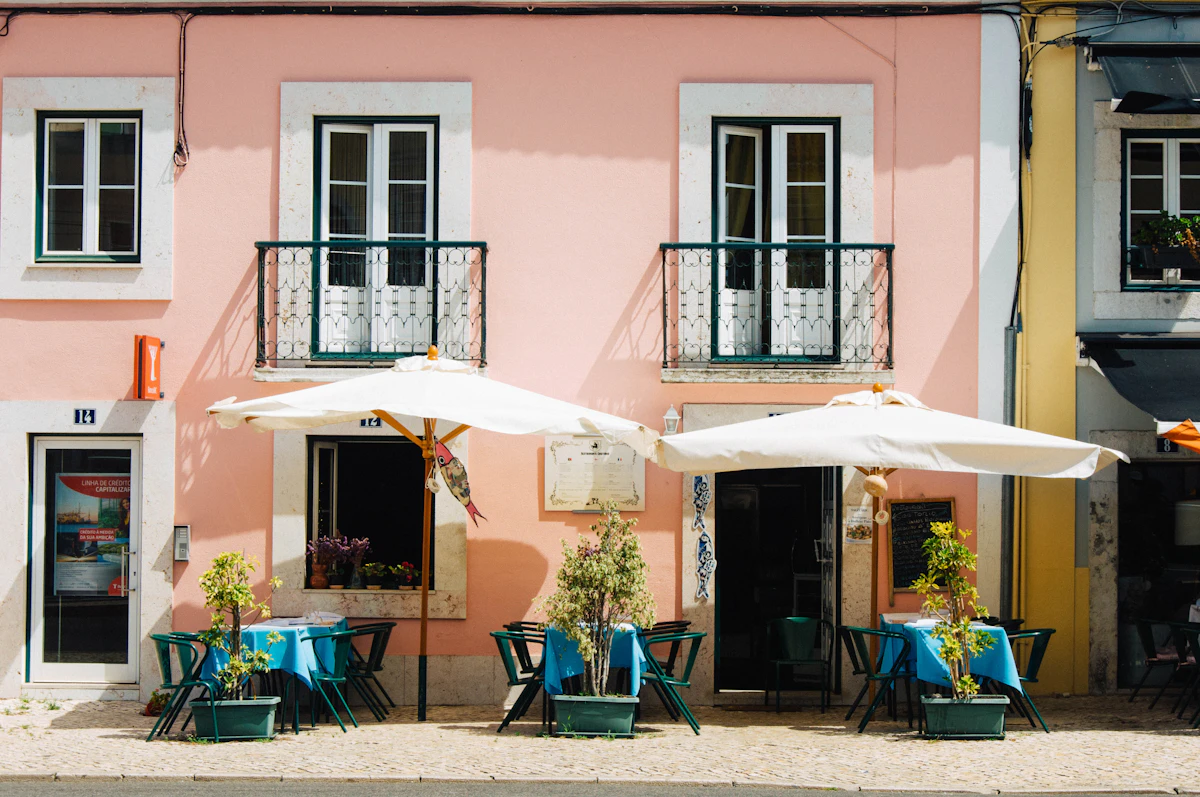
Lisbon Travel Guide
Trams, tiled streets and Tagus views across seven hills
Last updated: 2026-09-05
The city's 24-hour rhythm.
Turn the dial to any hour and it tells you where you should be.
Lunch rush
Lunch service in Lisbon generally gathers pace between noon and 3 p.m.; local tascas and the market area settle into their best lunchtime rhythm.
Lisbon: places to visit
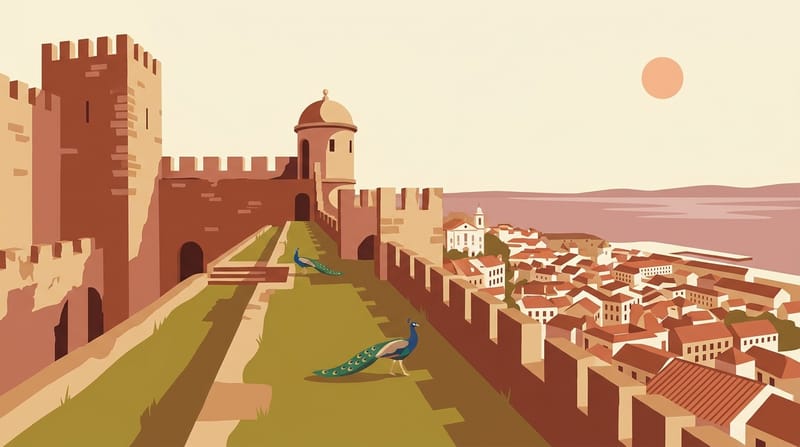
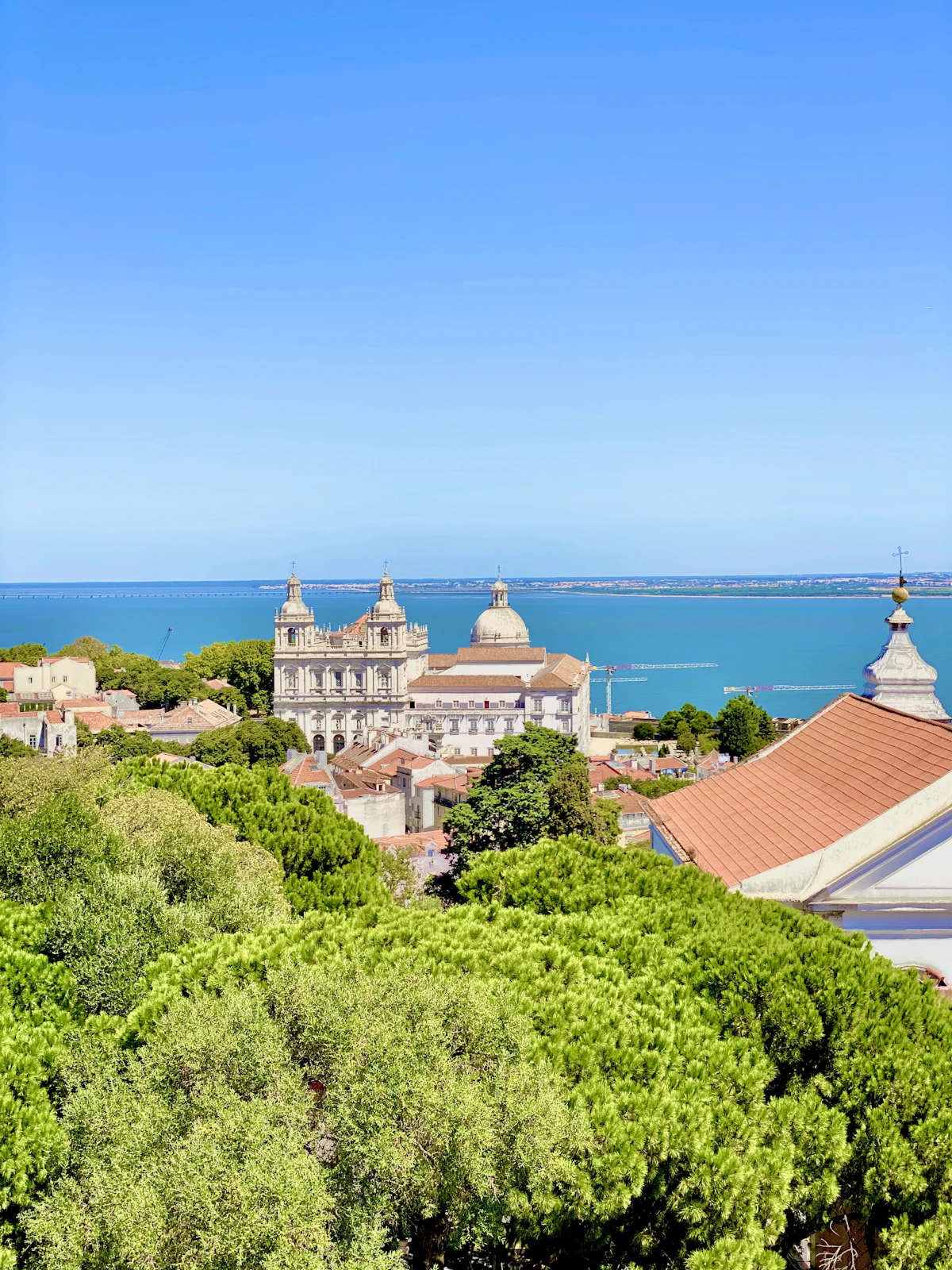
São Jorge Castle
A medieval fortress above Lisbon’s historic centre, with ramparts, archaeology and sweeping views across the rooftops to the Tagus. It is one of the city’s strongest first-time sights.
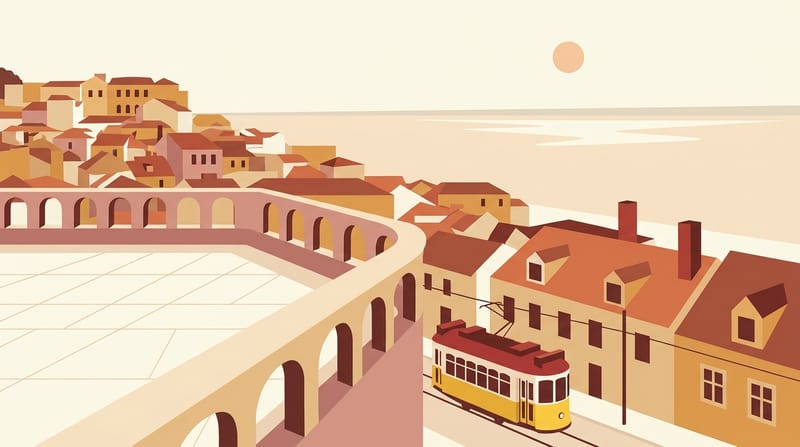
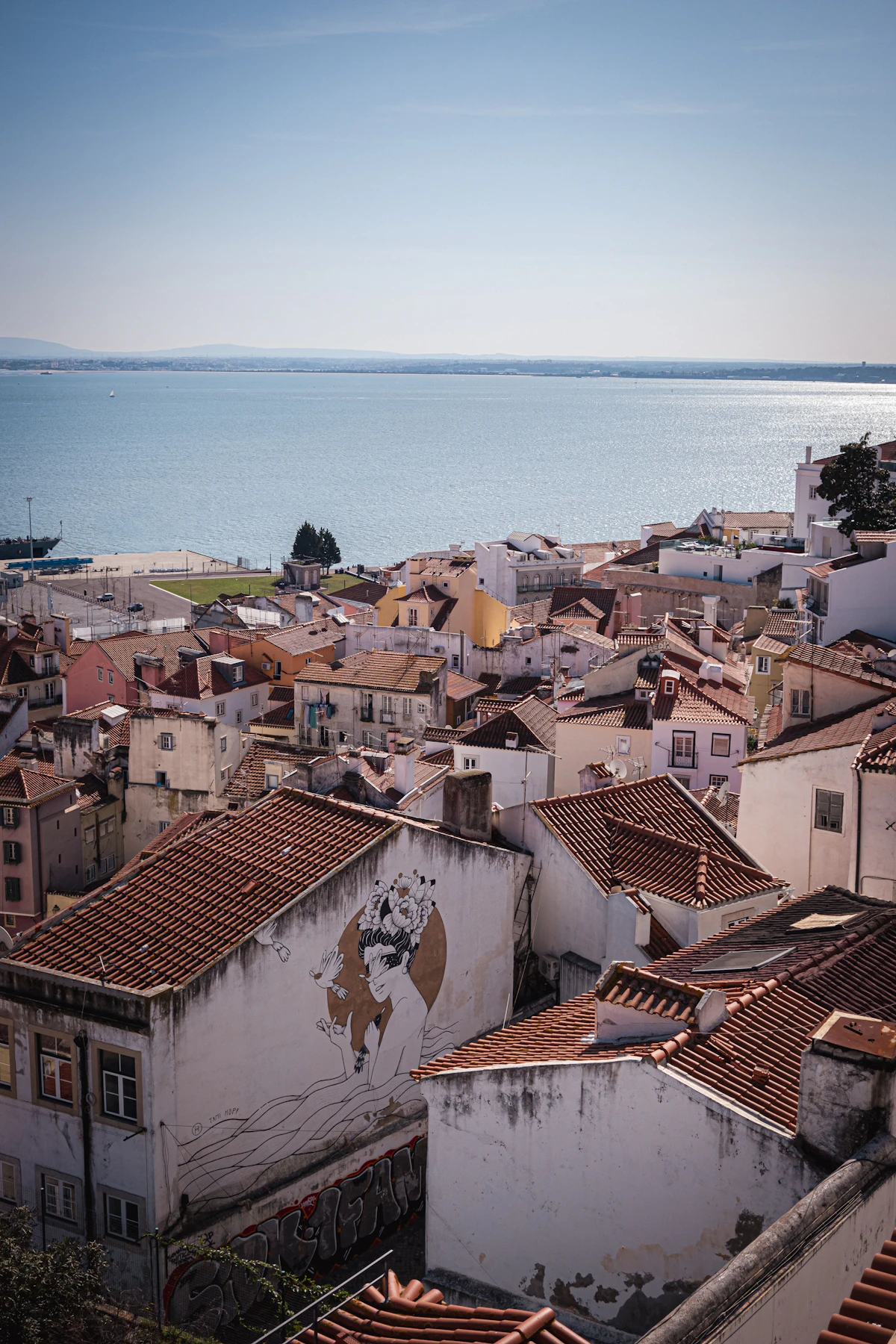
Portas do Sol Viewpoint
One of Alfama’s signature open-air viewpoints, framing red-tiled roofs, São Vicente de Fora and the Tagus in a classic Lisbon panorama.
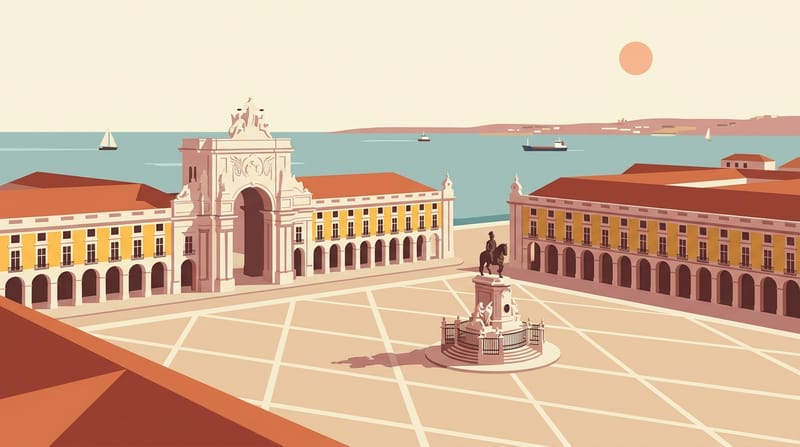
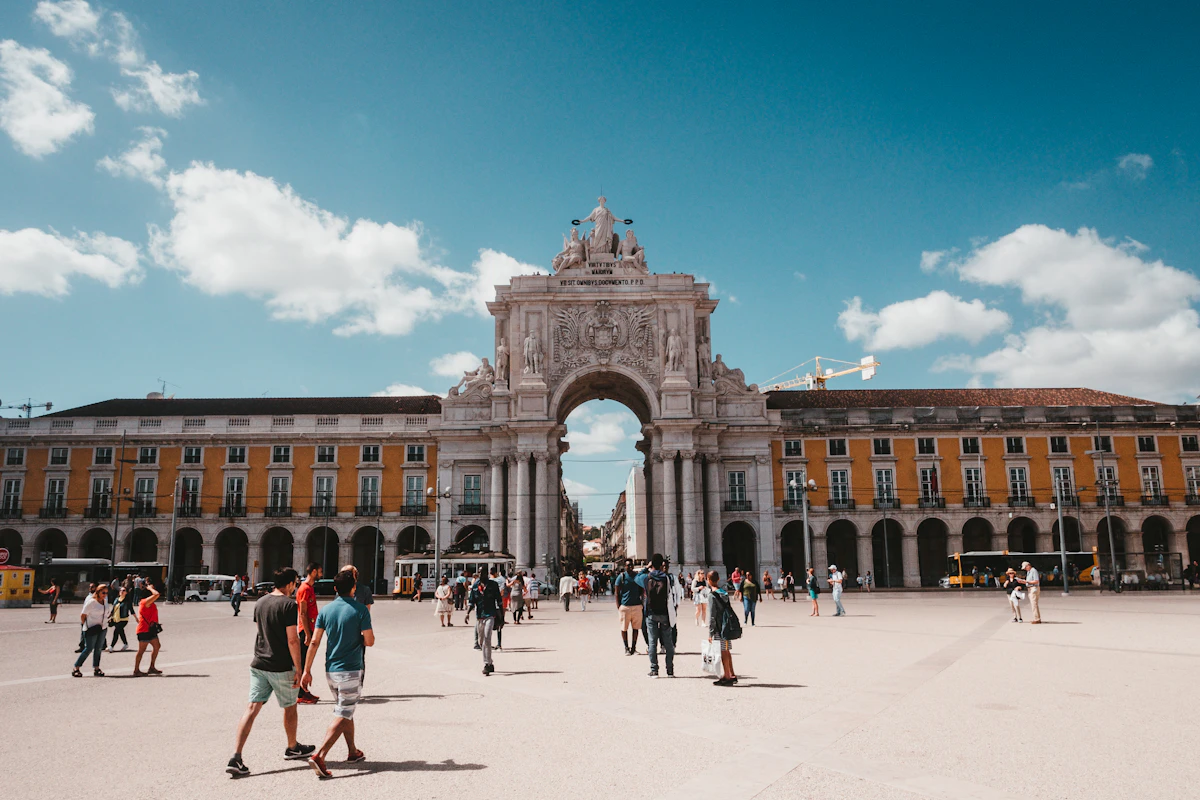
Praça do Comércio
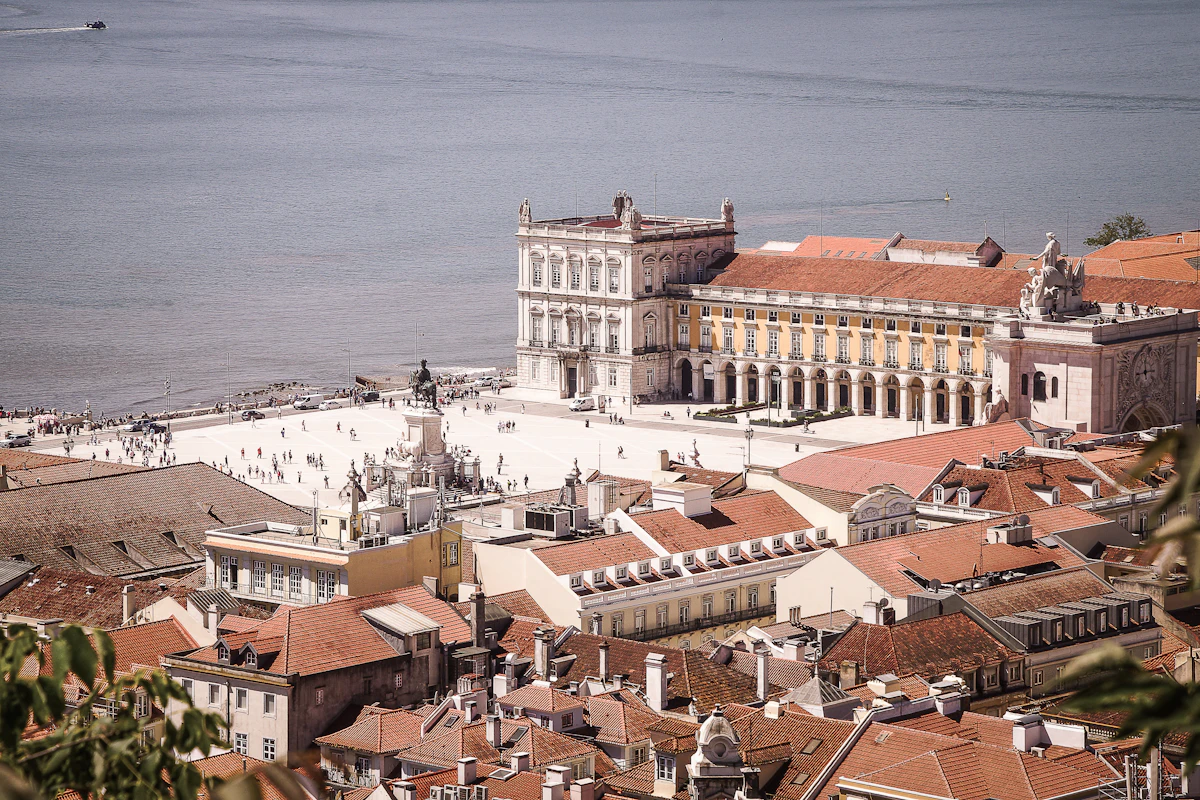
Lisbon’s monumental 18th-century riverfront square, lined by yellow arcades and centred on the statue of King José I, with the Rua Augusta Arch opening into Baixa.

Belém Tower
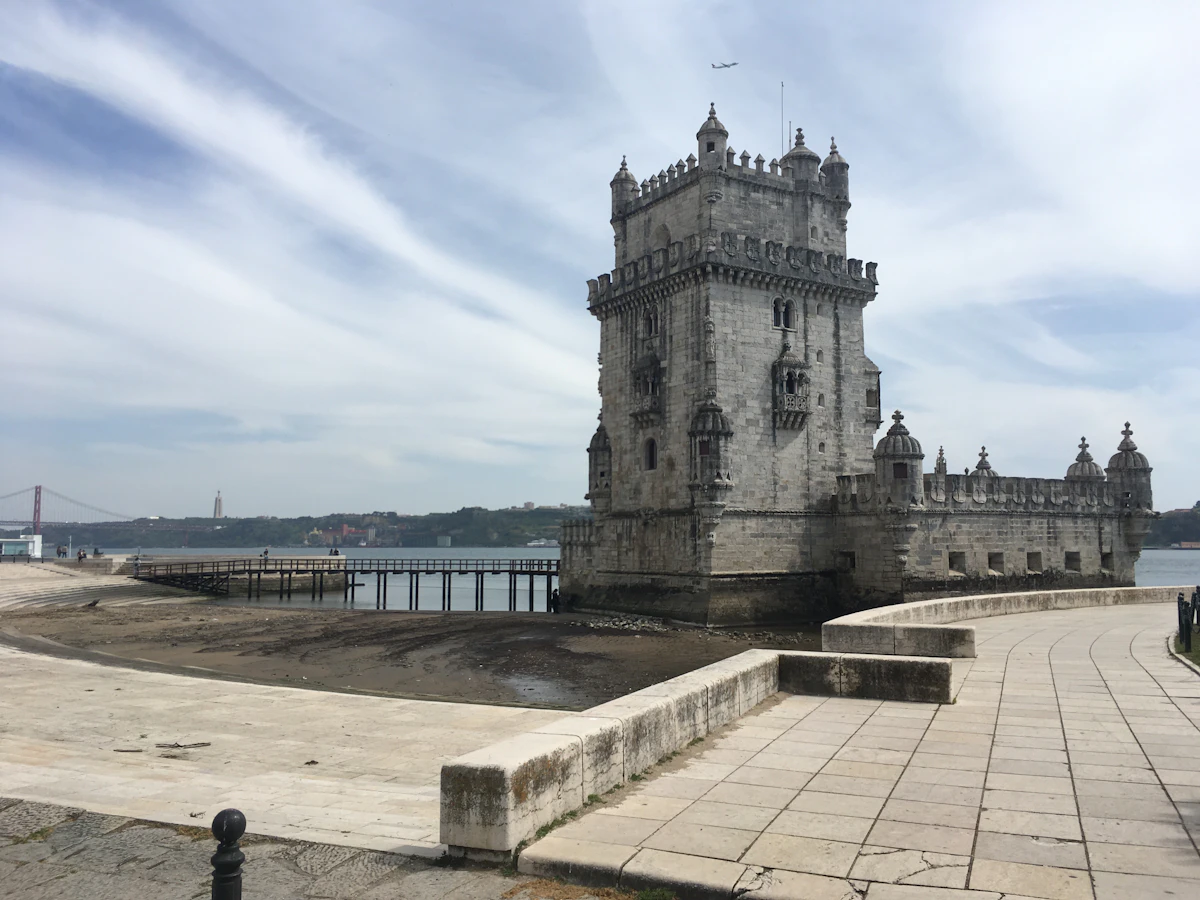
This UNESCO-listed Manueline defensive tower reopened after its 2026 restoration. The interior has narrow stairs and entry is now managed through timed slots.

Jerónimos Monastery
A UNESCO World Heritage site and masterpiece of Portuguese Manueline architecture, best known for its richly carved two-storey cloister.

Lisbon Cathedral
Lisbon’s oldest church, with roots in 1147. The tourist ticket includes the high choir, Treasury Museum, naves and upper areas with views over the city.
What to eat in Lisbon

Pastel de Nata
Crisp pastry, warm custard and a dusting of cinnamonLisbon’s best-known sweet. Flaky pastry holds an egg-rich custard that caramelises in a very hot oven; it is at its best still warm, finished with cinnamon and icing sugar.

Bifana
Saucy pork in bread, Lisbon in a few bitesThin slices of pork are cooked in a garlicky white-wine sauce and tucked into a soft roll. It is simple, inexpensive and quick, commonly finished with mustard or chilli sauce.

Bacalhau à Brás
Salt cod, fine potatoes and softly set eggA Lisbon-born classic of shredded salt cod mixed with matchstick potatoes, onion and egg, then finished with parsley and black olives. Comforting rather than elaborate, and unmistakably Portuguese.

Grilled Sardines
Lisbon’s smoky taste of summerA city icon, especially during the Santos Populares festivities in June. Sardines are grilled whole and served on bread or with roasted peppers and boiled potatoes; they are best when the fish is in season.

Ginjinha
Sweet, punchy sour-cherry liqueur in a tiny glassLisbon’s traditional liqueur is made by macerating sour cherries with alcohol, sugar and spices. Order it with or without fruit; drinking a small measure at a standing bar around Rossio is a Lisbon ritual.
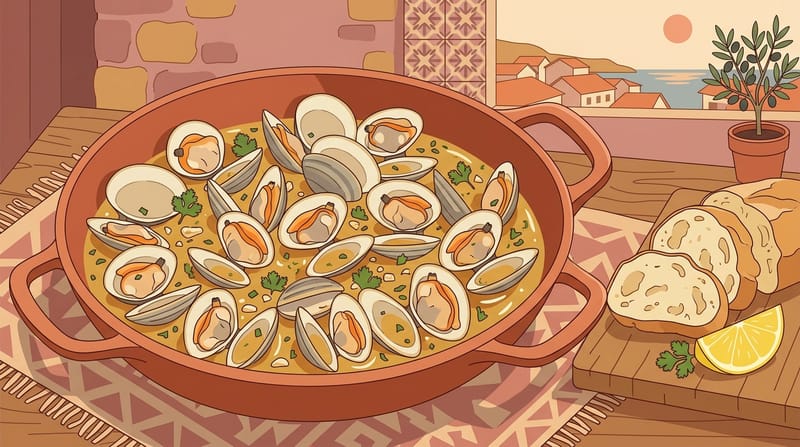
Bulhão Pato-Style Clams
Clams with garlic, coriander, olive oil and lemonA seafood classic closely associated with Lisbon cooking. Clams are quickly opened in olive oil and garlic, then brightened with fresh coriander and lemon. Bread for mopping up the fragrant juices is practically essential.
Where to stay
| Areas | Baixa and ChiadoPrice: High | AlfamaPrice: Medium | Príncipe Real and Bairro AltoPrice: High | Avenida da Liberdade and Marquês de PombalPrice: High | Parque das NaçõesPrice: Medium | BelémPrice: Medium |
|---|---|---|---|---|---|---|
| Atmosphere | The easiest central base for first-time visitors. The historic core, major squares, shopping, cafés and many key sights come together within walking distance. | One of the most atmospheric places to stay for narrow lanes, old Lisbon character, fado and viewpoints. The neighbourhood has a strong identity, but it is not ideal for travellers seeking flat, easy walking. | A strong choice for travellers who want boutique accommodation, restaurants, bars and evening life in the same area. Príncipe Real is more polished and relaxed, while Bairro Alto becomes much livelier at night. | A good base for travellers who prefer a more orderly, broad-avenue, hotel-focused part of central Lisbon. The historic centre is still walkable, while metro and airport-bus links are strong. | An eastern Lisbon option close to the airport, with flat terrain, modern architecture and large public spaces. It is especially strong for families, business travellers and anyone who prefers a calm contemporary setting over the historic centre. | A quiet western Lisbon base if monuments, museums, gardens and the Tagus waterfront are your priorities. It is busy with visitors during the day but becomes noticeably calmer than central nightlife districts in the evening. |
| Best for | First-time visitorsShort city breaksTravellers who want to explore the centre on footTravellers who want plenty of cafés and restaurants | Historic atmosphereFadoViewsNeighbourhood feel | Restaurants and barsNightlifeBoutique accommodationStylish neighbourhood atmosphere | Comfortable hotelsBusiness travelMetro accessEasy airport connection | FamiliesBusiness travelProximity to the airportFlat and easy walking | Museums and monumentsRiverfrontQuiet eveningsSlow-paced sightseeing |
| Accommodation profile | PriceHighNightlifeMediumWalkabilityHigh | PriceMediumNightlifeMediumWalkabilityMedium | PriceHighNightlifeHighWalkabilityMedium | PriceHighNightlifeMediumWalkabilityHigh | PriceMediumNightlifeLowWalkabilityHigh | PriceMediumNightlifeLowWalkabilityHigh |
| Transport | Baixa-Chiado metroConnections around RossioWalking and public-transport connections to Cais do Sodré | Tram and bus connectionsMetro access from surrounding stationsMostly walking within the neighbourhood | CARRIS 24ERato connectionsWalking to Chiado and Bairro Alto | Marquês de Pombal metroAvenida metroCARRIS 744 connection to Aeroporto | Metro Red LineOriente railway stationOriente bus connections | Tram and bus connections toward the centreRail connections around BelémRiverside walking and cycling route |
| Advantages |
|
|
|
|
|
|
| Consider |
|
|
|
|
|
|
Planning notes.
Researched recommendations, practical information and route decisions.
- Explore Alfama and Graça on foot.
- Watch the Tagus at sunset from a miradouro.
- Combine Jerónimos Monastery with a walk along the Belém riverfront.
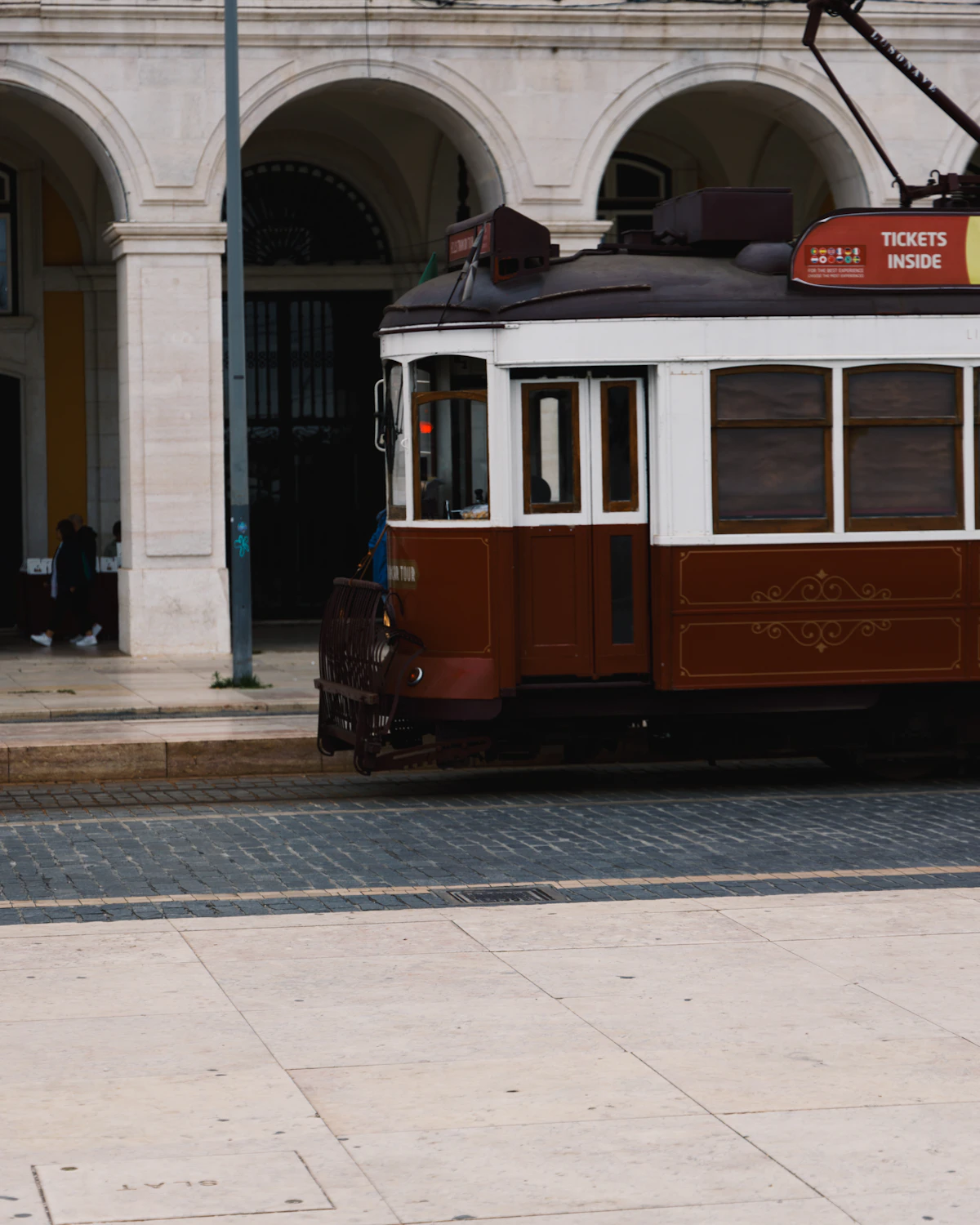
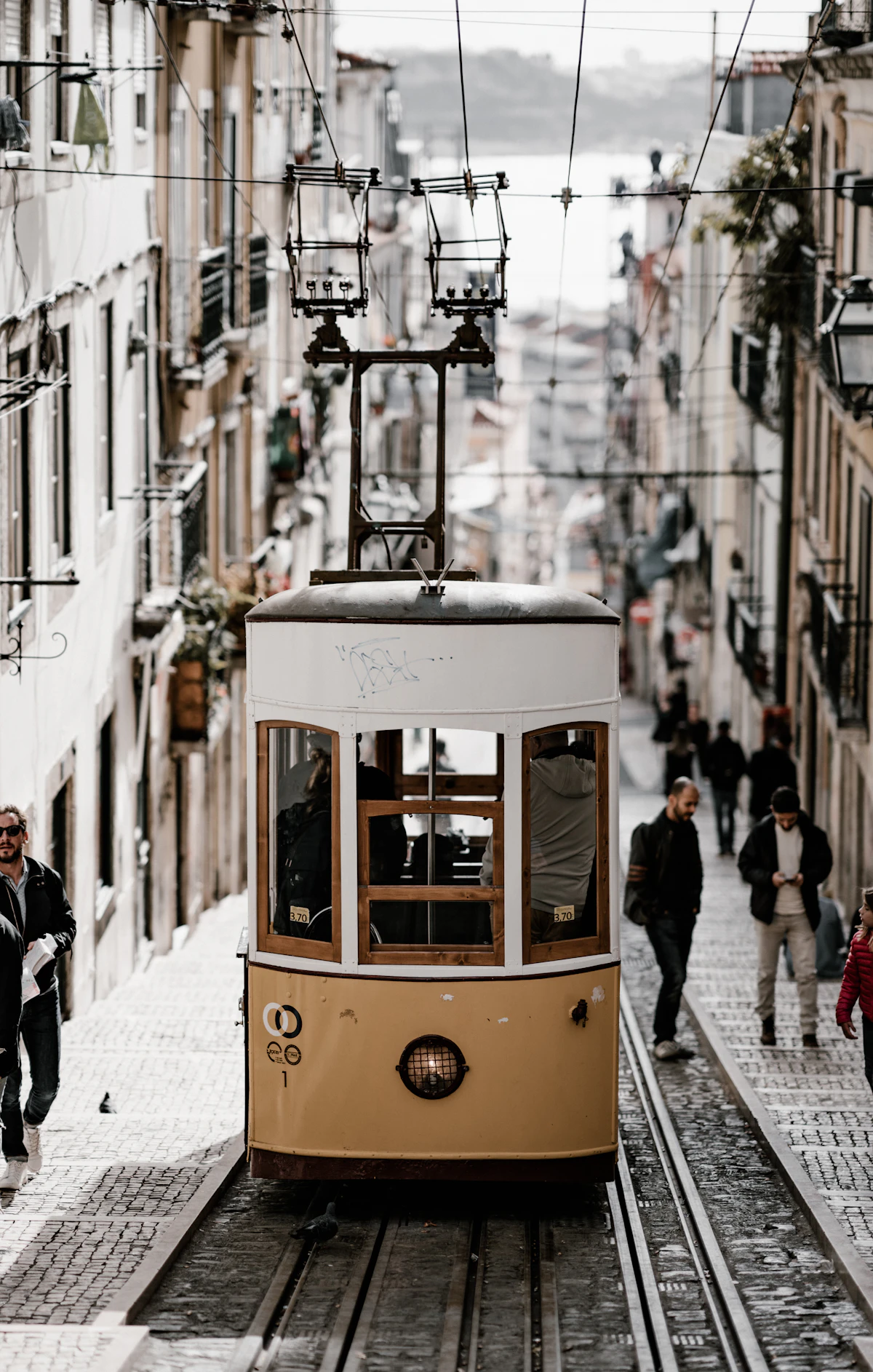
- Do not waste midday in a long queue for Tram 28.
- Do not underestimate the steep hills or wear shoes with slippery soles.
- Avoid choosing a random restaurant on Baixa’s most touristy streets.
- Reduce climbing by planning routes from the higher neighbourhoods downhill.
- Choose your public transport ticket around your daily plan; a 24-hour ticket can make sense if you ride often.
- Visit popular viewpoints early in the morning or shortly before sunset.
Lisbon map
What will it cost me?
Figures are per-person daily USD estimates compiled from BudgetYourTrip, Numbeo and recent traveller reports. Flight/ferry tickets not included.
✓ Use the budget figures as planning estimates; accommodation, restaurant and transport prices can change with the season, day and booking time. · Last updated: Sep 2026
How many days?
Choose the best route for your schedule.
What to know before you go.
Tourist traps, SIM, money, taxis, safety, health, transit and language — the city in eight answers.
Do not assume the bread, olives, butter or cheese placed on the table as couvert are complimentary. If you do not want them, decline them before eating; the couvert price should appear on the menu and an unrequested item you have not consumed should not be charged.
scamLisbon is generally easy to explore, but watch for pickpockets on crowded trams, the metro and busy stops. Keep your bag in front of you and avoid carrying your phone or wallet in easy-to-reach outer pockets.
safetyLisbon tap water is regularly monitored and safe to drink. Call 112 in an emergency; for non-emergency health advice, the SNS 24 line is available around the clock on 808 24 24 24.
healthFor a short stay, the €0.50 Navegante occasional card is handy. In 2026, a Carris/Metro ticket is €1.90, zapping costs €1.72 per journey and the 24-hour Carris/Metro ticket is €7.25. Each passenger needs a separate card.
cardPortuguese is the official language. English is often enough in tourist areas, but a simple “Bom dia”, “Obrigado/Obrigada” and “A conta, por favor” makes everyday interactions warmer.
languageLisbon: weather and crowds by month
🎒 What to pack
- ✔ Walking shoes
- ✔ Power adapter
- ✔ Umbrella
- ✔ Sunscreen
- ✔ Hat
- ✔ Light clothing
FLIGHTS
Airport to city
Metro Red LineAeroporto → Saldanha; transfer there to other metro lines
Aeroporto–Saldanha takes about 20 minutes
Best for: Fast, low-cost access to the centre, especially with light or medium luggage
Limitations: Many stays in Baixa, Chiado or Alfama require a transfer or additional walking; check lift availability at the relevant station on your travel day.
↗ Official sourceCARRIS 744Aeroporto → Saldanha → Marquês de Pombal → Avenida da Liberdade → Restauradores
The official route page does not publish a fixed end-to-end journey time; travel time depends on surface traffic
Best for: Travellers staying around Avenida da Liberdade, Marquês de Pombal or Restauradores who want a direct surface route
Limitations: The airport states a maximum luggage size of 50×40×20 cm on city buses; traffic affects journey time.
♿ Accessible
↗ Official sourceOfficial airport taxiCentral Lisbon and door-to-door travel within the city
Journey time depends on traffic and the destination district; the airport notes that the city centre is nearby
Best for: Heavy luggage, very early or late travel, and door-to-door convenience
Limitations: Traffic can increase both time and fare; use the official taxi rank rather than unofficial offers inside the terminal.
↗ Official sourceSevenair AeroBUS ShuttleMarquês de Pombal, Avenida Sidónio Pais 1 ↔ Cascais Airport
About 30 minutes in normal traffic conditions
Best for: Sevenair regional-flight passengers staying in central Lisbon
Limitations: Operates Monday to Saturday; seats are limited, service is subject to availability and advance booking is required.
↗ Official sourceMobiCascais M22Carcavelos Estação ↔ Aeródromo ↔ Cascais Terminal via Manique
The official timetable shows stop-to-stop times but does not publish a single total airport journey time
Best for: Low-cost local connections via Cascais or Carcavelos stations
Limitations: It is not direct from central Lisbon; this multi-stop local route requires a rail or other public-transport connection.
↗ Official source