
Seoul Travel Guide
Where royal palaces, neon lights and neighborhood life move to the same rhythm
Last updated: 2026-09-05
The city's 24-hour rhythm.
Turn the dial to any hour and it tells you where you should be.
Market lunch
The food alleys come alive around lunchtime. Sharing a few dishes such as bindaetteok, mayak gimbap or noodles is more fun than committing to one large meal.
Seoul: places to visit
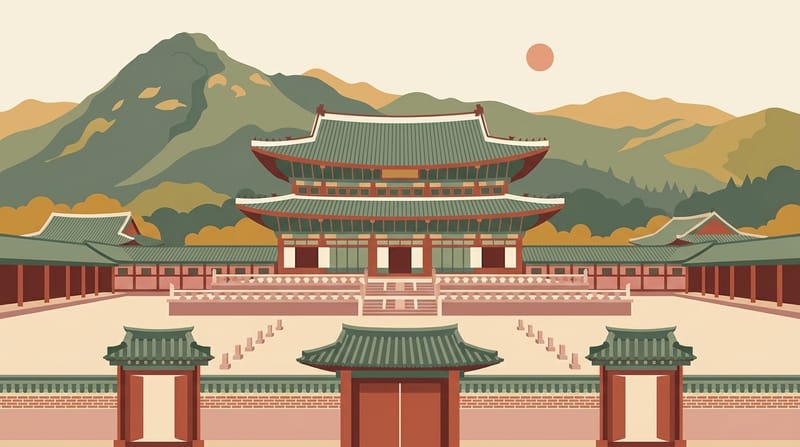
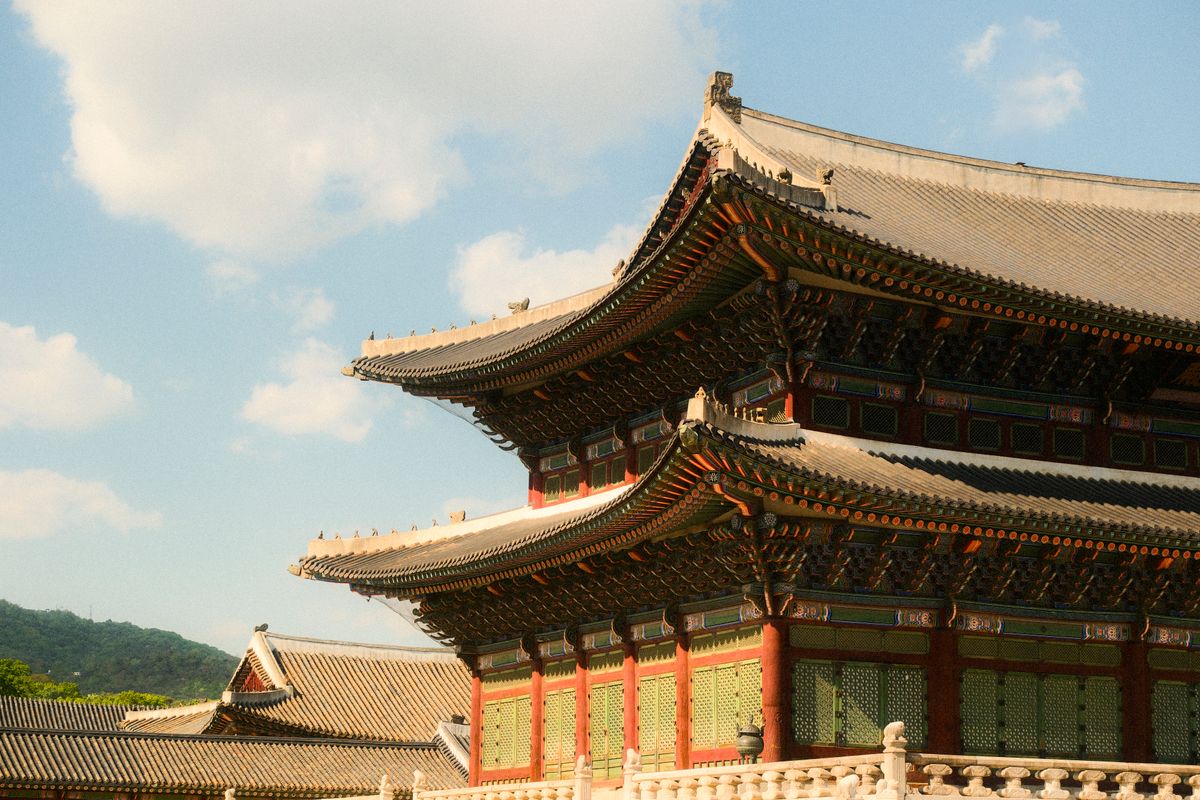
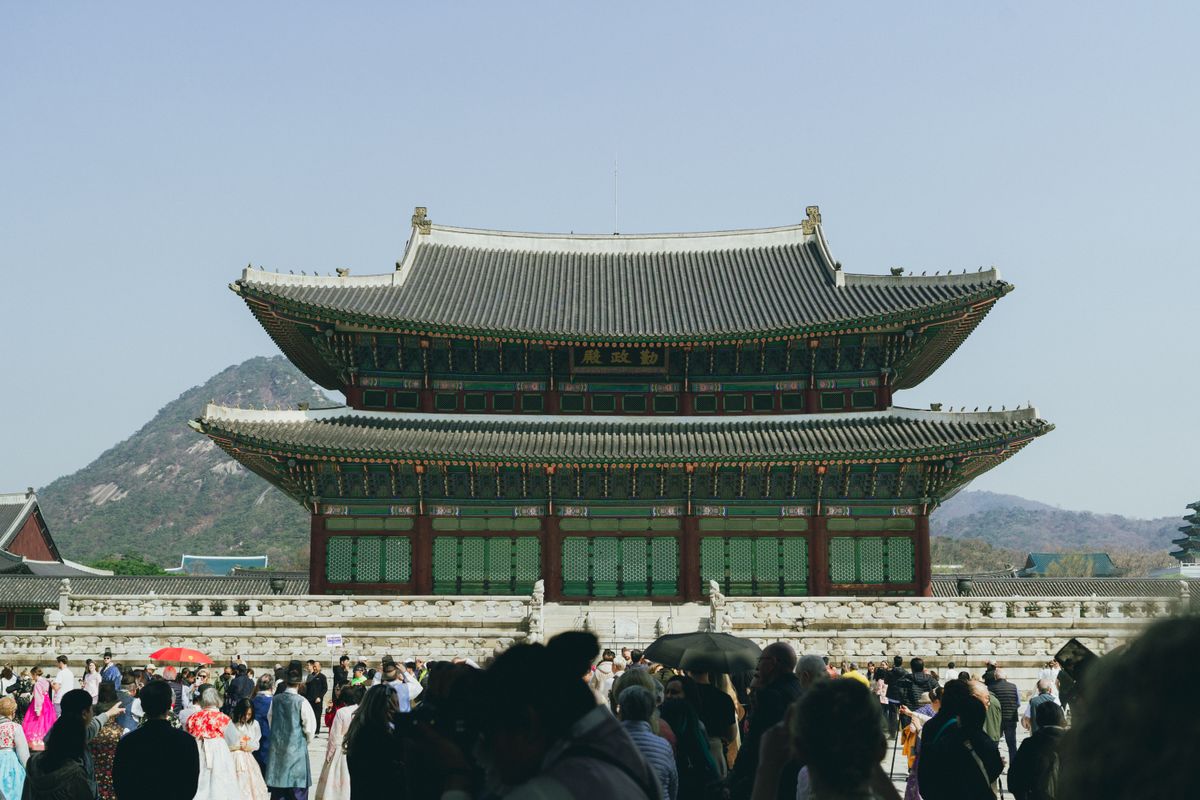
Gyeongbokgung Palace
The main palace of the Joseon dynasty, with broad courtyards, colorful timber halls and Bugaksan rising behind it; one of the strongest introductions to Seoul’s history.
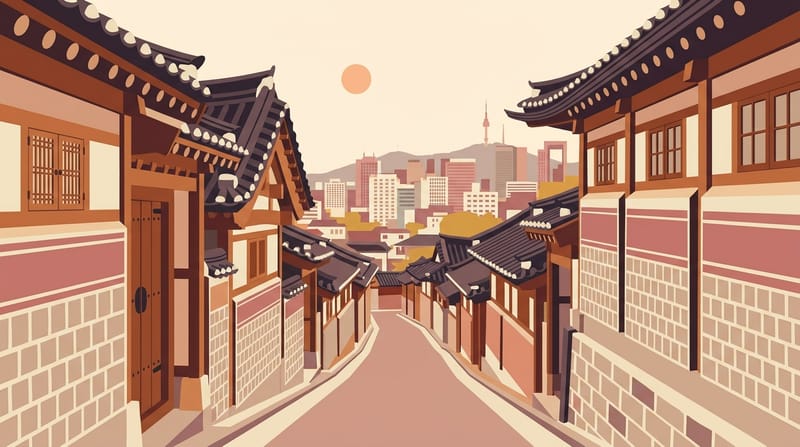
Bukchon Hanok Village
Hilly lanes between Gyeongbokgung and Changdeokgung where traditional hanok houses still form a lived-in residential neighborhood.
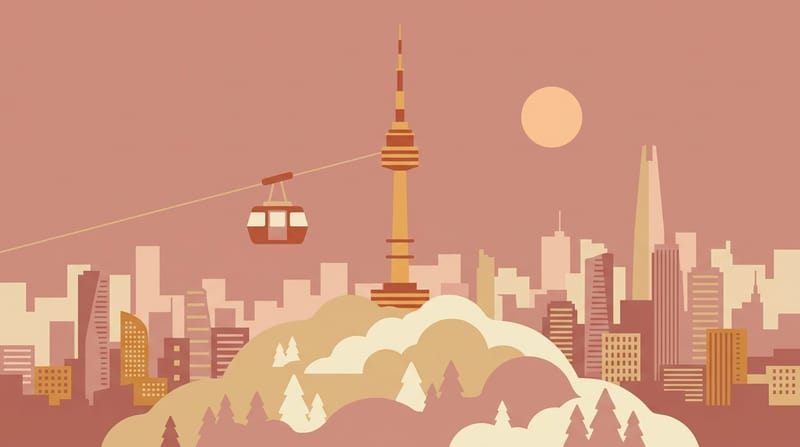
N Seoul Tower
The observation tower atop Namsan and one of Seoul’s classic panoramas, especially after sunset when the city lights spread in every direction.
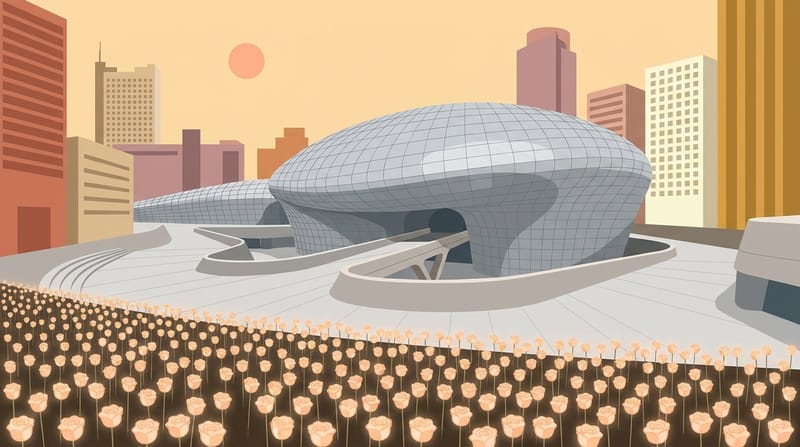
Dongdaemun Design Plaza
Zaha Hadid’s flowing landmark combines exhibitions, design shops and dramatic evening lighting into one of modern Seoul’s clearest visual icons.
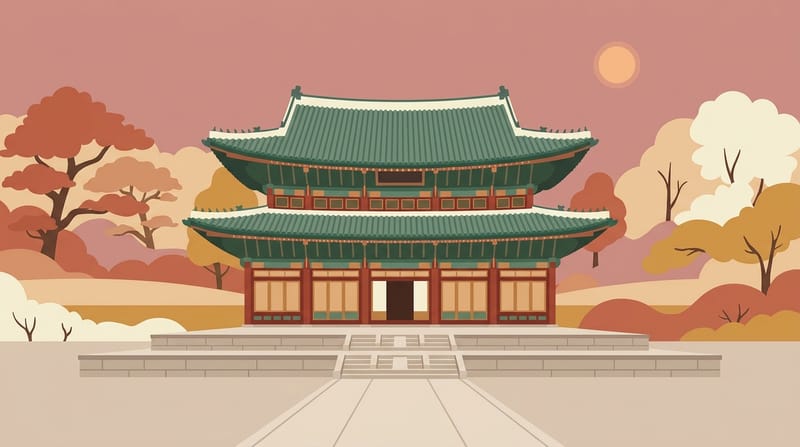
Changdeokgung Palace
A UNESCO-listed palace shaped around the natural terrain, especially memorable for its reserved-entry Huwon Royal Garden.
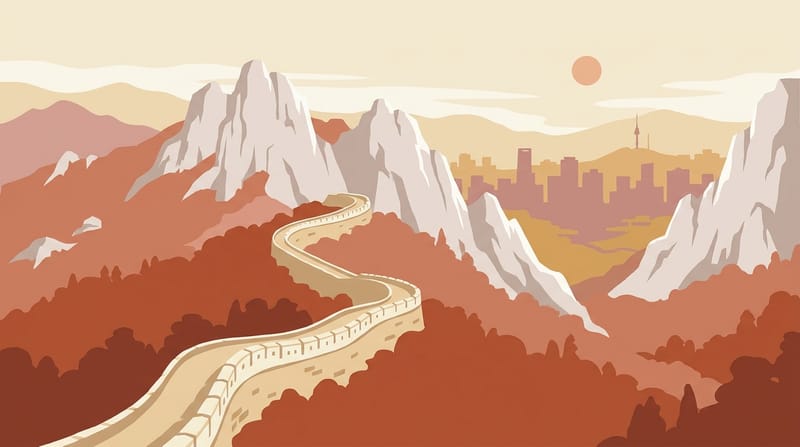
Bukhansan National Park
Granite peaks, forest trails and sweeping city views reached from the subway, showing how unusually close serious hiking is to central Seoul.
What to eat in Seoul
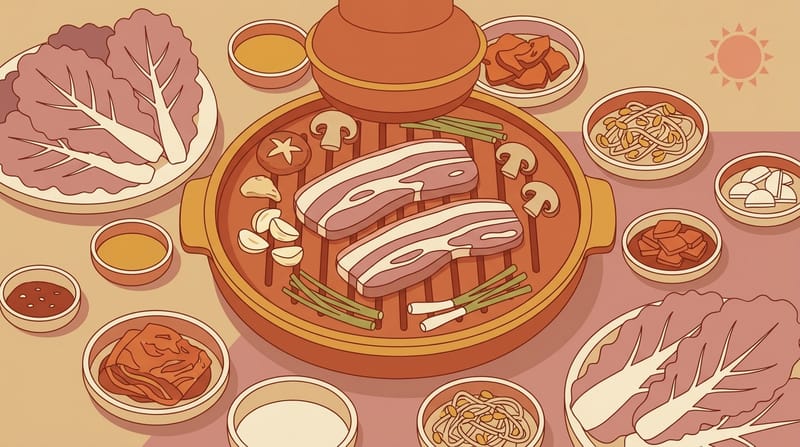
Samgyeopsal Korean Barbecue
Table-grilled meat, endless banchan and a classic Seoul eveningThick slices of pork belly cook on a grill at the table, then get wrapped in lettuce with ssamjang, garlic, kimchi and small side dishes. The shared ritual matters almost as much as the meat itself.
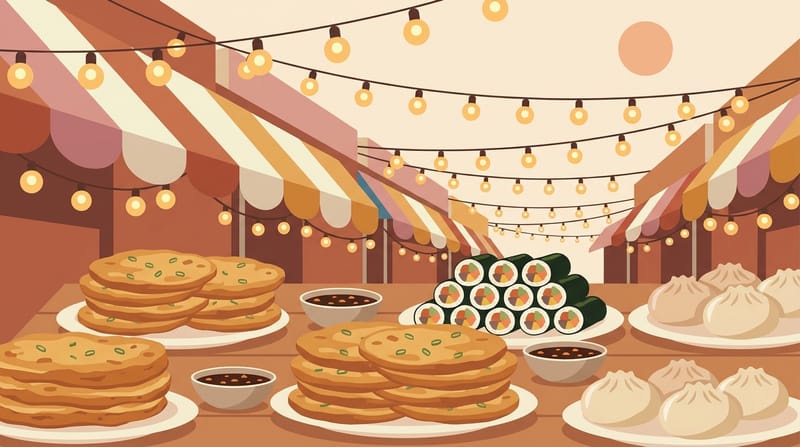
Gwangjang Market Bites
Bindaetteok, gimbap and the real rhythm of eating at the counterRather than choosing one dish, share several: crisp mung-bean bindaetteok, bite-size mayak gimbap and noodles are classic starting points. The crowds and fast counter service are part of the experience.
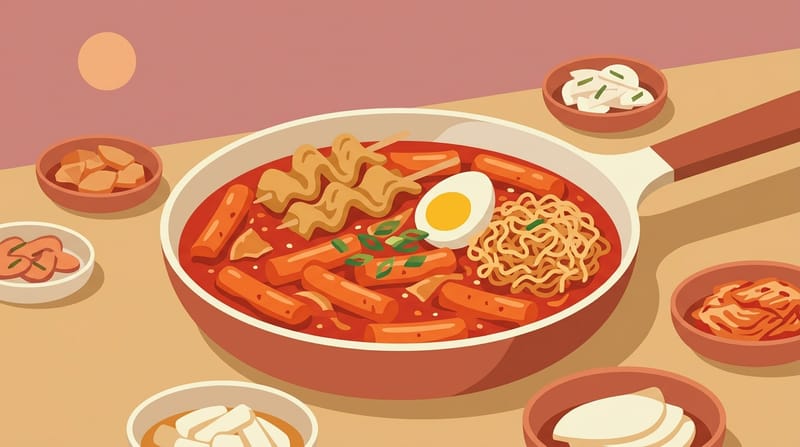
Sindang Tteokbokki
Sweet heat, chewy rice cakes and a bubbling pan at the tableSindang is known as the birthplace of jeukseok tteokbokki. Rice cakes, fish cake and vegetables simmer together at the table in a sweet-spicy gochujang sauce, making it heartier than the usual street version.
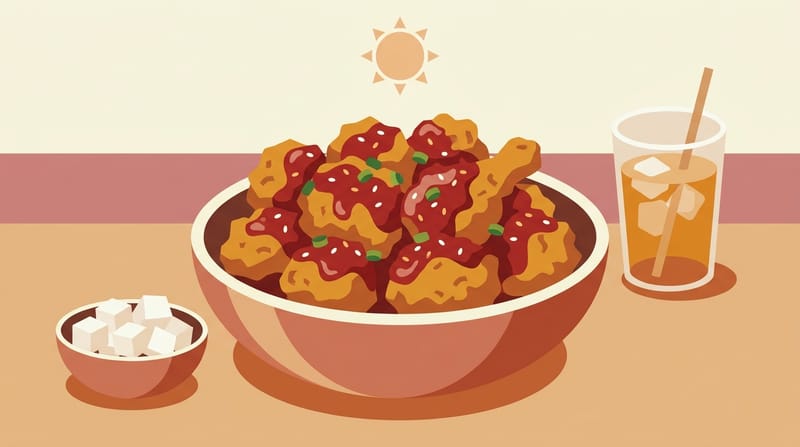
Korean Fried Chicken
Crisp chicken, bold sauces and an easygoing late-night mealKorean fried chicken stands out for its thin, crunchy coating. Share a mix of plain, soy-garlic and spicy glazed pieces; it fits especially well with a night out in lively areas such as Hongdae.
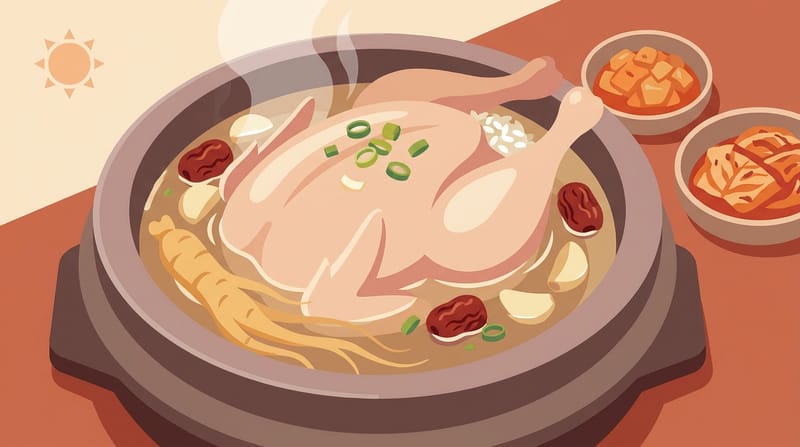
Samgyetang Ginseng Chicken Soup
Whole chicken, rice and ginseng in a deceptively simple classicA small whole chicken is stuffed with glutinous rice, garlic, jujube and ginseng, then simmered until tender. It looks light but is surprisingly filling and is traditionally enjoyed even on the hottest summer days.
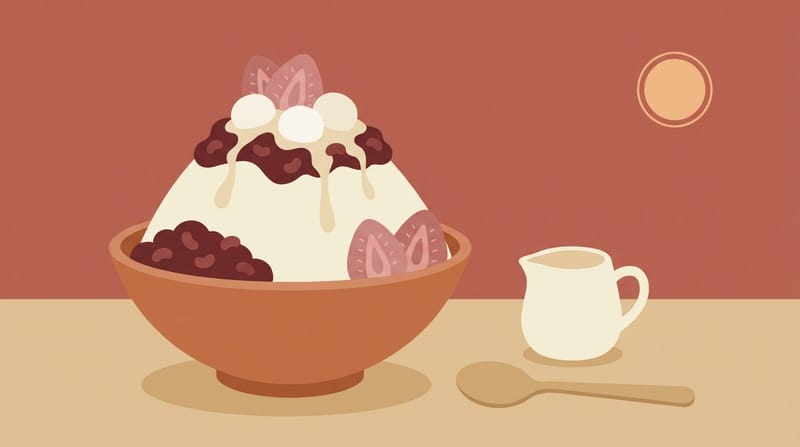
Bingsu Korean Shaved Ice
Feathery ice, fruit or red bean and a refreshing pauseBingsu is a shareable dessert of finely shaved milk or plain ice topped with fruit, sweet red beans, rice cake or sauces. It is especially satisfying after hours of walking through Seoul in warm weather.
Where to stay
| Areas | MyeongdongPrice: High | HongdaePrice: Medium | Jongno and InsadongPrice: Medium | GangnamPrice: High | ItaewonPrice: High |
|---|---|---|---|---|---|
| Atmosphere | One of the easiest bases for first-time visitors. Shopping, dining and central location are strong; heavy tourist traffic and a weaker neighbourhood feel are the main trade-offs. | A strong choice for nightlife, live music, youth culture and cafés. The Airport Railroad connection makes airport access easy, while late-night noise and crowds may not suit everyone. | One of the most practical bases for travellers prioritising palaces, hanok streets, traditional tea houses and historic walking routes. Nightlife is weaker than in Hongdae, but daytime sightseeing is very efficient. | A strong base for modern business districts, major shopping areas and itineraries focused on southern Seoul. Metro links are good, but the historic centre and Incheon Airport are farther away. | A distinctive base for international restaurants, nightlife and varied cuisines. Its location is central, but hilly streets can reduce walking comfort. |
| Best for | First-time visitorsShoppingCentral locationShort city breaks | NightlifeCafésYouth cultureEasy airport access | History and culturePalacesWalkingFirst visit | Modern SeoulBusiness travelShoppingGangnam and Jamsil-focused trips | International diningNightlifeCosmopolitan atmosphereYongsan area |
| Accommodation profile | PriceHighNightlifeMediumWalkabilityHigh | PriceMediumNightlifeHighWalkabilityHigh | PriceMediumNightlifeLowWalkabilityHigh | PriceHighNightlifeHighWalkabilityMedium | PriceHighNightlifeHighWalkabilityMedium |
| Transport | Metro Line 4: Myeongdong StationMetro Line 2: Euljiro 1-ga StationShort connections to City Hall and Seoul Station | Metro Line 2: Hongik University StationAirport Railroad: Hongik University StationConnection to the Gyeongui-Jungang Line | Metro Line 3: Anguk StationMetro Lines 1, 3, 5: Jongno 3-gaNumerous walking routes in the centre | Metro Line 2: Gangnam StationSinbundang Line: Gangnam StationStrong metro links towards southern Seoul and Jamsil | Metro Line 6: Itaewon StationNearby links towards Yongsan and Noksapyeong |
| Advantages |
|
|
|
|
|
| Consider |
|
|
|
|
|
Planning notes.
Researched recommendations, practical information and route decisions.
- Visit Gyeongbokgung and its surroundings early in the morning, then walk on to Seochon or Insadong so the historic center feels like one continuous route.
- Give one evening to the Han River. After sunset, Yeouido or Banpo shows a calmer side of Seoul framed by the city lights.
- Wander at least one neighborhood such as Seongsu, Euljiro or Yeonnam without a strict plan; Seoul’s contemporary café, design and street culture is easier to feel there.
- Avoid squeezing neighborhoods at opposite ends of the city into the same day. Transfers that look short on a map can take longer once station walks and connections are included.
- Do not ignore visiting-hour restrictions in Bukchon’s residential zone. Keep noise down and stay out of restricted streets when they are closed to visitors.
- Do not stay only around Myeongdong and assume you have seen Seoul. The mood and character of the city changes dramatically from one neighborhood to another.
- Get a T-money card or another compatible transit card; paying fares and receiving transfer discounts between subway and bus becomes much easier.
- Install Naver Map or KakaoMap before your trip. Local map apps are more useful for walking routes, public transport and Korean place names.
- Save popular palaces and trendy neighborhoods for weekday mornings when possible; crowds rise noticeably on weekend afternoons.
Seoul map
What will it cost me?
Figures are per-person daily USD estimates compiled from BudgetYourTrip, Numbeo and recent traveller reports. Flight/ferry tickets not included.
✓ Treat the budget figures as planning estimates rather than fixed prices. Accommodation, food and transport costs can vary noticeably with the season, neighborhood, booking date and the places you choose. · Last updated: Sep 2026
How many days?
Choose the best route for your schedule.
What to know before you go.
Tourist traps, SIM, money, taxis, safety, health, transit and language — the city in eight answers.
Do not order or accept a service in tourist areas before seeing the price. Checking prices in advance for street food, cosmetics and taxis helps avoid small surprises.
scamSeoul is generally easy to explore, but keep an eye on your phone and bag in crowded stations and nightlife areas. Call 112 for police emergencies and 1330 for tourist information.
safetySeoul’s Arisu tap water is regularly tested and meets drinking-water standards. If you have a sensitive stomach and are unsure about a building’s internal pipes, bottled water may feel more comfortable; call 119 for medical emergencies.
healthBuy a T-money card at a convenience store and use it on the subway and buses. Tap again when getting off a bus so the correct fare and transfer discounts are applied.
cardEnglish handles most basics in tourist areas, but showing the Korean address is very helpful in small shops. Install local apps such as Naver Map and Papago before the trip.
languageSeoul: weather and crowds by month
🎒 What to pack
- ✔ Walking shoes
- ✔ Power adapter
- ✔ Jacket
- ✔ Layers
- ✔ Gloves & beanie
- ✔ Umbrella
FLIGHTS
Airport to city
AREX Express TrainSeoul Station
About 43 min from Terminal 1 to Seoul Station; about 51 min from Terminal 2 to Seoul Station.
Best for: Travellers staying near Seoul Station, Myeongdong, City Hall or central Seoul who want to avoid road traffic.
Limitations: It does not stop at Hongdae; the All-Stop Train is better for Hongik University. An additional transfer from Seoul Station to the hotel may be needed.
♿ Accessible
↗ Official sourceAirport Limousine 6005City Hall and the central Seoul hotel corridor
Travel time varies with traffic and the stop used; the operator does not publish a fixed city-centre journey time.
Best for: Travellers with luggage staying near City Hall, Namdaemun or hotels along the route who want fewer transfers.
Limitations: It is affected by road traffic and does not offer journey times as predictable as the AREX Express.
↗ Official sourceGimpo Airport Station rail connectionsSeoul metro network: Line 5, Line 9 and Airport Railroad
Travel time depends on the destination station; there is direct access from the terminal to Gimpo Airport Station.
Best for: Travellers seeking economical, traffic-independent access to different parts of the city.
Limitations: Transfers with luggage may be required; the best line depends on the location of your hotel.
↗ Official sourceAirport Limousine 6003Deungchon, Mok-dong, Guro and Daerim corridor
Travel time varies with traffic and destination stop; the operator publishes a current route timetable.
Best for: Travellers staying near the 6003 route in western or south-western Seoul who want a direct bus.
Limitations: It does not directly serve major tourist areas such as Myeongdong, Jongno or Gangnam; the metro is usually more practical for those areas.
↗ Official source