Kyoto Travel Guide
An old capital whose rhythm changes with the hour, far beyond its temples
Last updated: 2026-09-06
The city's 24-hour rhythm.
Turn the dial to any hour and it tells you where you should be.
Midday market
The narrow arcade approaches its busiest period around lunch. Eat what you buy by the shop; eating while walking is specifically discouraged here.
Kyoto: places to visit
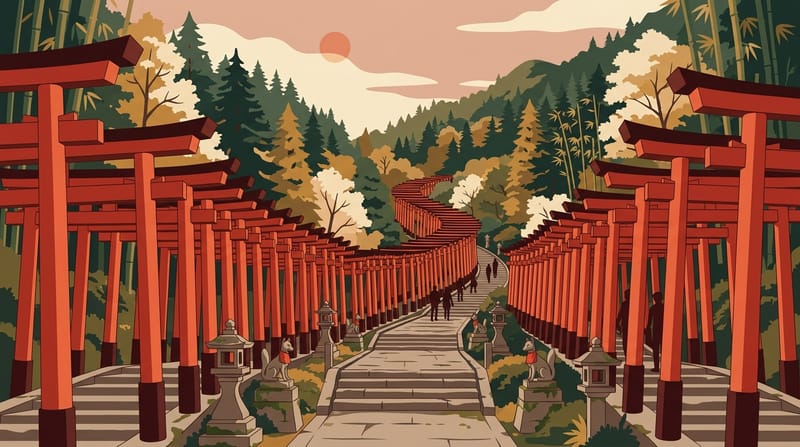
Fushimi Inari Taisha
Thousands of vermilion torii climbing Mount Inari form one of Kyoto’s defining sights. Keep walking beyond the first corridors and the crowds thin noticeably, turning the visit from a quick photo stop into a genuine mountain walk.
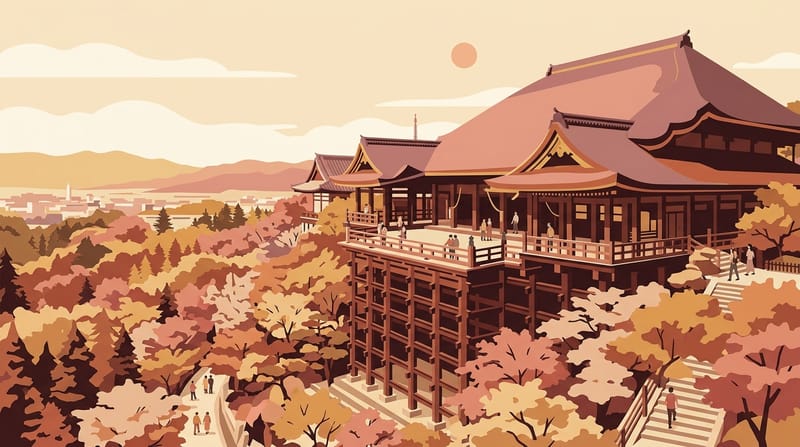
Kiyomizu-dera
Its wooden stage on the Higashiyama slope opens onto broad views of Kyoto. The approach through Kiyomizu-zaka, Sannenzaka and Ninenzaka is as much part of the experience as the temple itself, and early morning makes the area far easier to enjoy.
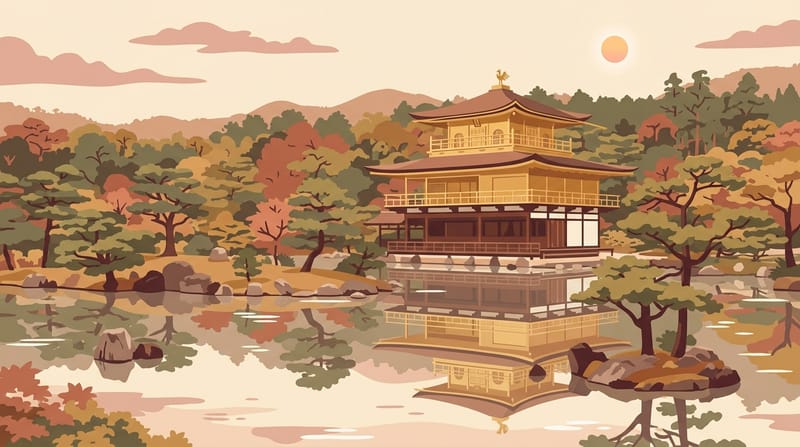
Kinkaku-ji
The gold-leaf pavilion and its reflection in Kyokochi Pond create one of Kyoto’s most recognizable views. The visitor route is one-way and fairly compact, making this a concentrated stop for architecture and garden composition rather than a long temple complex visit.
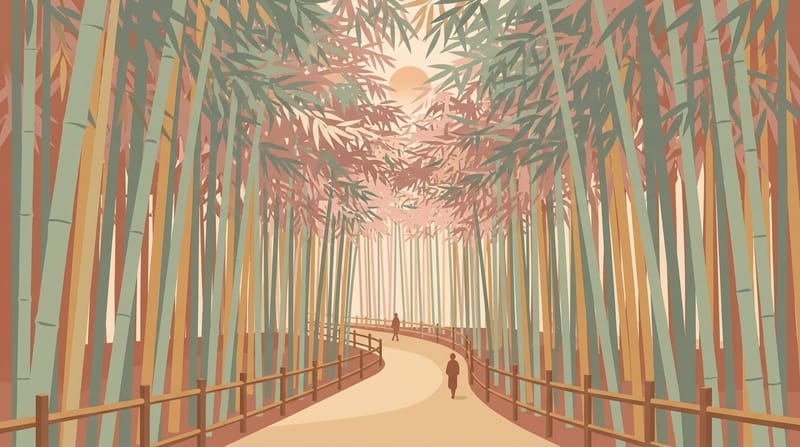
Arashiyama Bamboo Grove
This short path enclosed by towering bamboo is Arashiyama’s most recognizable scene. The grove itself can feel shorter than expected; it works best as part of a wider visit including Tenryu-ji, the Katsura River and the Saga area.
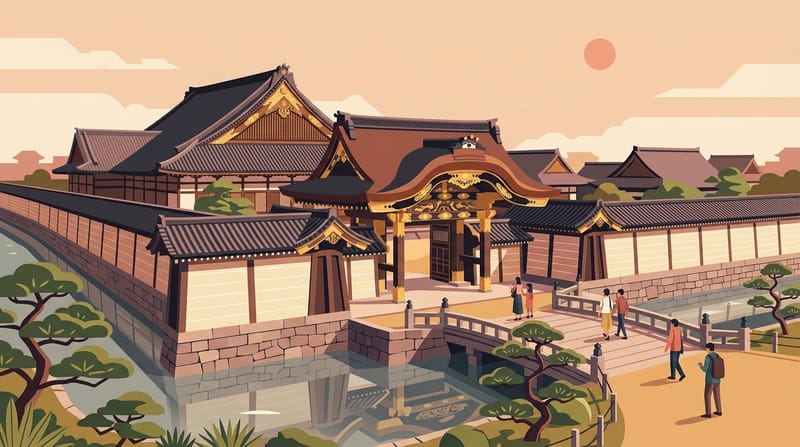
Nijo Castle
The Kyoto power base of the Tokugawa shoguns adds a different historical layer to a temple-heavy itinerary. Ninomaru Palace is known for its ornate gates, Kano-school screen paintings and famous “nightingale floors.”
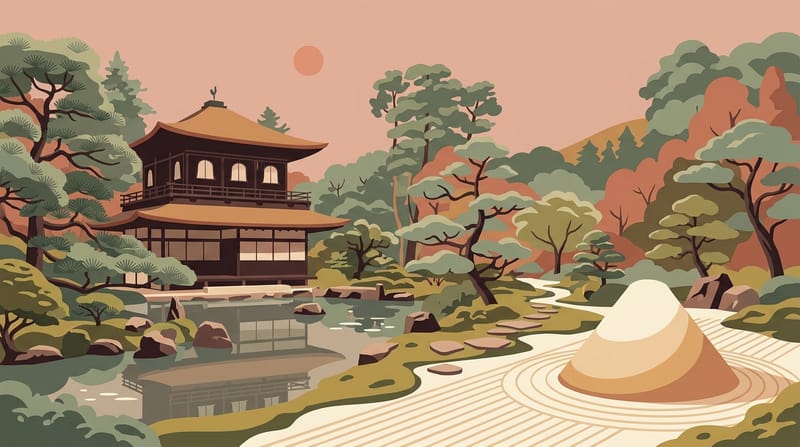
Ginkaku-ji
The understated wooden pavilion feels like a counterpoint to flamboyant Kinkaku-ji. Together with its moss garden, white-sand compositions and hillside path, it is one of Kyoto’s best places to understand the more restrained aesthetics of Higashiyama culture.
What to eat in Kyoto
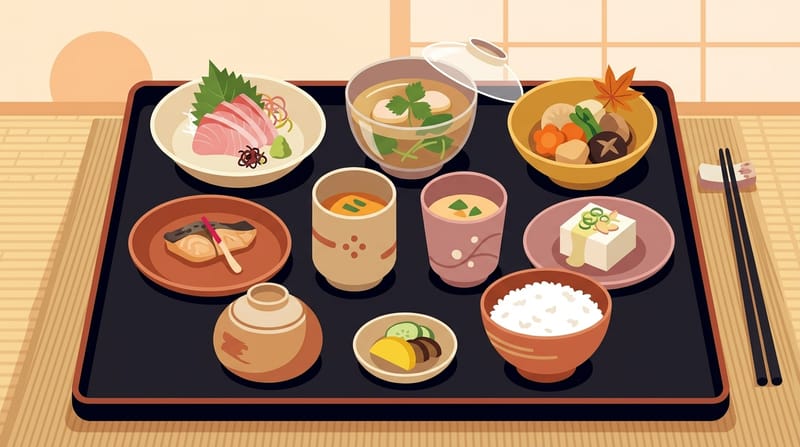
Kyo-kaiseki
Kyoto’s most refined way of expressing the season on a plateKyo-kaiseki highlights seasonal ingredients through a sequence of small, carefully composed dishes. Presentation, tableware and serving order matter as much as flavour. It is a strong choice for a special dinner in Kyoto, and advance booking is usually wise at established ryotei and kaiseki restaurants.
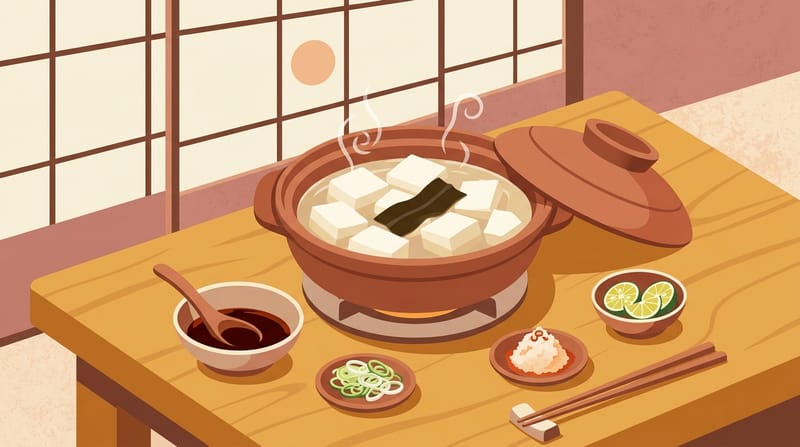
Yudofu
A simple yet deeply Kyoto winter classic around Nanzen-jiYudofu is as simple as gently heating tofu cubes in hot water and eating them with dipping sauce; the appeal is the texture and clean flavour of the tofu itself. The area around Nanzen-ji is especially associated with the dish. After temple walking in cold weather, its local-classic status makes immediate sense.
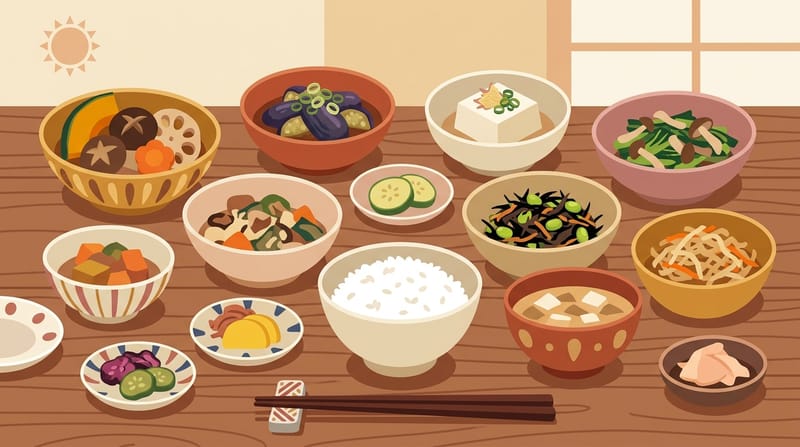
Obanzai
The everyday face of Kyoto home cooking, served in small dishesObanzai refers to everyday small dishes passed down through Kyoto households, often built around seasonal vegetables and dashi. It is a food culture rather than one fixed recipe. Ordering several plates offers a useful contrast to refined kaiseki and shows a more everyday side of Kyoto cooking.
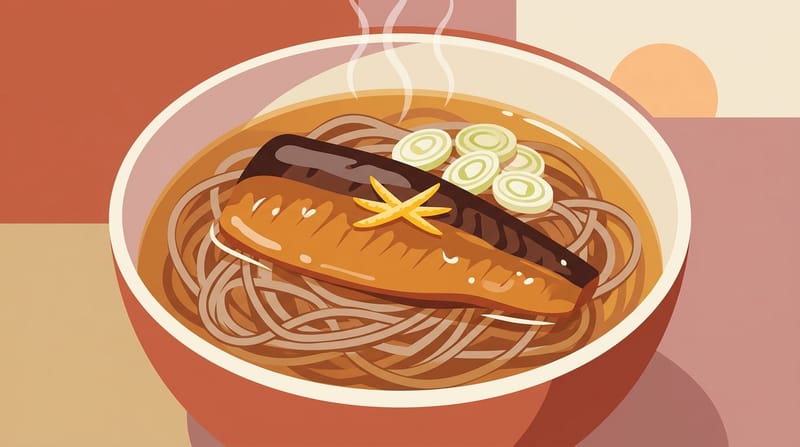
Nishin Soba
Hot soba born in Kyoto, topped with sweet-simmered herringNishin soba pairs hot buckwheat noodles with herring simmered until tender in a sweet soy-based seasoning. Its Kyoto origin makes it more than just another soba variation. The fish’s pronounced sweet-savoury flavour works especially well with the lighter broth on cool days.
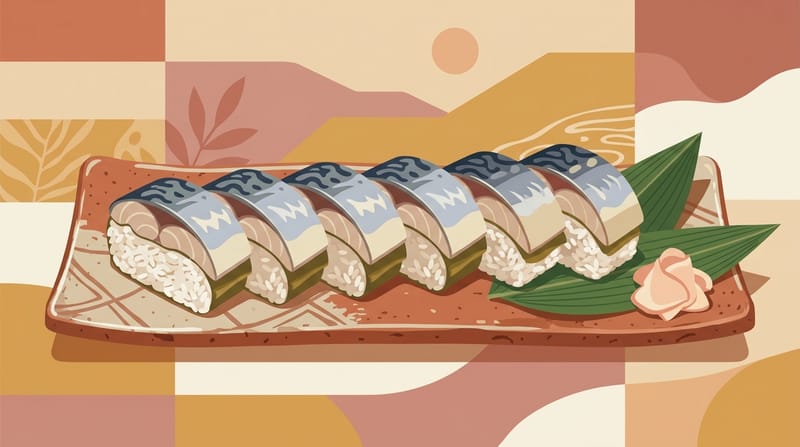
Saba-zushi
Sushi born from landlocked Kyoto’s ingenuity in preserving mackerelSaba-zushi combines vinegar-cured mackerel with pressed sushi rice. It developed from the tradition of preserving mackerel carried to inland Kyoto along the Saba Kaido and remains closely tied to festival food. The balance of rich fish, vinegar and rice feels distinctly different from standard nigiri.
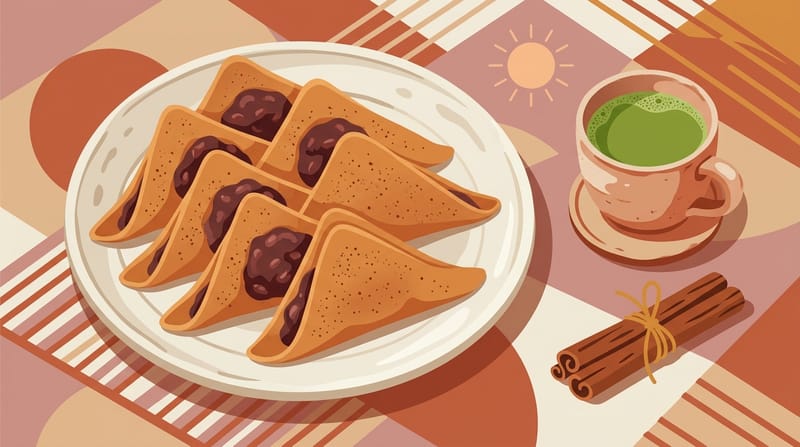
Yatsuhashi
Kyoto’s classic cinnamon-scented sweet to eat and take homeYatsuhashi comes in two main forms: the crisp baked original and soft, unbaked nama-yatsuhashi. One of today’s most familiar versions is triangular nama-yatsuhashi folded around sweet red-bean paste. Cinnamon is the classic aroma, while matcha and seasonal fillings are also common. It is genuinely both a Kyoto snack and a classic souvenir.
Where to stay
| Areas | Kyoto StationPrice: Medium | Shijo-Kawaramachi / Shijo-KarasumaPrice: Medium | Gion / HigashiyamaPrice: High | Kyoto Gosho / Nijo CastlePrice: Medium | Saga / ArashiyamaPrice: High | Ohara / Kurama / KibunePrice: Medium |
|---|---|---|---|---|---|---|
| Atmosphere | The easiest area for first arrivals and connections beyond the city. JR lines provide direct or low-transfer access toward Fushimi Inari, Tofuku-ji and Arashiyama, and there is a large supply of major hotels and business hotels. | The most balanced central option for combining dining, shopping and evening walks with easy transport. Gion, Yasaka-jinja, Nishiki Market and the Kamo River are reachable on foot or with short connections. | The strongest classic-Kyoto atmosphere around Kiyomizu-dera, Yasaka-jinja and Kodai-ji. Accommodation ranges from traditional ryokan to international luxury hotels; it is a compelling but generally expensive choice for a special Kyoto experience. | A good balance for travellers who want to stay central in a quieter area with a more local feel. Kyoto Imperial Palace and Nijo Castle are nearby, while Tozai Subway and JR Sagano access make it easy to branch out in different directions. | A distinctive choice for travellers who want to experience the bamboo grove, Togetsukyo and Tenryu-ji before the morning crowds. The area has quality hotels and long-established onsen ryokan, but many restaurants and cafés close earlier than in central Kyoto. | A northern, nature-, temple- and onsen-focused option for travellers deliberately seeking distance from the busy city centre. Ohara has minshuku and ryokan; with access from Kyoto Station taking about an hour, it works better as a quiet retreat than as the main base for a first visit. |
| Best for | First-time visitorsTravellers taking early trainsDay trips outside KyotoTravellers who want easy luggage handling | First-time visitorsDiningShoppingEvening walksTravellers who want to stay central | Romantic tripsSpecial occasionsTraditional Kyoto atmosphereEarly-morning Higashiyama walks | Travellers seeking a quieter central baseLonger staysLocal-neighbourhood feelMorning walks | NatureHoneymoons and romantic tripsEarly-morning ArashiyamaRyokan experience | NatureOnsenQuietSecond or third visit to KyotoSlow travel |
| Accommodation profile | PriceMediumNightlifeMediumWalkabilityMedium | PriceMediumNightlifeHighWalkabilityHigh | PriceHighNightlifeMediumWalkabilityHigh | PriceMediumNightlifeLowWalkabilityHigh | PriceHighNightlifeLowWalkabilityHigh | PriceMediumNightlifeLowWalkabilityMedium |
| Transport | JRKyoto City Subway Karasuma LineCity BusKintetsu | Kyoto City Subway Karasuma LineHankyu Kyoto LineCity BusWalking | Keihan RailwayKyoto City Subway Tozai LineCity BusWalking | Kyoto City Subway Tozai LineJR Sagano LineRanden connectionsBus | JR Sagano LineRandenHankyu via KatsuraBus | BusEizan Railway connectionsWalking |
| Advantages |
|
|
|
|
|
|
| Consider |
|
|
|
|
|
|
Planning notes.
Researched recommendations, practical information and route decisions.
- Do not stop at the first torii corridor at Fushimi Inari; the crowds thin noticeably as you climb.
- Walk the Kiyomizu-dera area early in the morning and continue through Higashiyama toward Gion.
- In Arashiyama, go beyond the bamboo grove and give the river and nearby temples enough time.
- Do not rely on buses from Kyoto Station for every trip during peak hours.
- In Gion, do not enter private property, follow geiko or maiko, or photograph them without permission.
- Do not stop in a way that blocks foot traffic in narrow, busy places such as Nishiki Market.
- For Higashiyama, changing to the Keihan Line at Tofukuji can be easier than the bus on busy days.
- During cherry-blossom and autumn-leaf seasons, schedule famous spots for morning or evening and quieter areas around midday.
- After Fushimi Inari, do not simply head back to the station; Fushimi’s sake breweries and canals are a reason to stay.
Kyoto map
What will it cost me?
Figures are per-person daily USD estimates compiled from BudgetYourTrip, Numbeo and recent traveller reports. Flight/ferry tickets not included.
✓ Treat budget figures as planning ranges, not fixed tariffs. Accommodation, seasonal demand and exchange rates can change the total cost noticeably. · Last updated: Sep 2026
How many days?
Choose the best route for your schedule.
What to know before you go.
Tourist traps, SIM, money, taxis, safety, health, transit and language — the city in eight answers.
A common mistake is trying to reach everything by bus from Kyoto Station. On busy days, it is usually smoother to use JR, Keihan and the subway as the main network, then take a bus only for the final leg.
scamKyoto is generally easy to visit, but in crowded areas the main concerns are traffic and local rules. In Gion, do not enter private property or follow geiko or maiko, and do not block narrow streets for photos.
safetyTap water is safe to drink. Kyoto can be hot and humid in summer, so carry water and take shade breaks on long temple walks. Vending machines and convenience stores are common, but it is wise to stock up before heading onto hillier routes.
healthCompatible IC cards such as ICOCA, Suica and PASMO can be used on many trains, subways and buses in Kyoto. They save time compared with buying individual tickets, though some private routes or special tickets may follow different rules.
cardEnglish signage is common in tourist areas, but communication can be limited in small businesses. Showing the address or place name in Japanese on your phone is very helpful; a simple “sumimasen” is also useful for getting attention or apologising.
languageKyoto: weather and crowds by month
🎒 What to pack
- ✔ Walking shoes
- ✔ Power adapter
- ✔ Jacket
- ✔ Layers
- ✔ Umbrella
- ✔ Sunscreen
- ✔ Hat
- ✔ Light clothing
FLIGHTS
Airport to city
JR Kansai-Airport Express HARUKAKyoto Station
Direct train, about 80 minutes.
Best for: Best for travellers who want to reach Kyoto Station quickly with minimal transfers.
Limitations: If you are not staying near Kyoto Station, you may still need a subway, bus, taxi or another train afterward. Discounted products have eligibility conditions.
↗ Official sourceKansai Airport Limousine BusKyoto Station Hachijo Exit
About 1 hour 25-30 minutes between Terminal 1 and Kyoto Station.
Best for: Best for travellers with large luggage who want to avoid train transfers and are heading to the south side of Kyoto Station.
Limitations: Road traffic can affect journey time. All Kyoto-to-KIX services operate with reservations and assigned seating.
↗ Official sourceOsaka Itami Airport Limousine BusKyoto Station
About 50 minutes from the airport to Kyoto Station.
Best for: Best for domestic-flight passengers arriving at ITM who want a direct ride to Kyoto Station.
Limitations: Traffic can cause delays; IC-card support may vary by operator.
↗ Official sourceOsaka Monorail + Hankyu Kyoto LineKarasuma / Kyoto-Kawaramachi
Transfer route; total journey time depends on the connection chosen and your arrival station in Kyoto.
Best for: Best for travellers staying around Shijo-Karasuma or Kyoto-Kawaramachi rather than Kyoto Station and who prefer rail.
Limitations: Not direct. You must transfer from the monorail to the Hankyu network, and with luggage it is more cumbersome than the direct limousine bus.
↗ Official source