Tokyo Travel Guide
Where Tradition and the Future Blend Perfectly
Last updated: 2026-09-05
The city's 24-hour rhythm.
Turn the dial to any hour and it tells you where you should be.
Shinjuku Nightlife
Chat with locals in small yakitori spots tucked away in narrow alleys
Tokyo: places to visit
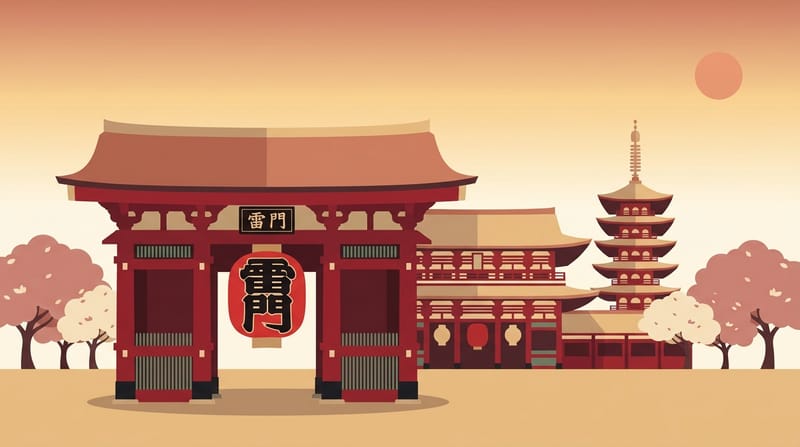
Sensoji Temple and Asakusa
Tokyo's oldest temple and its historic atmosphere
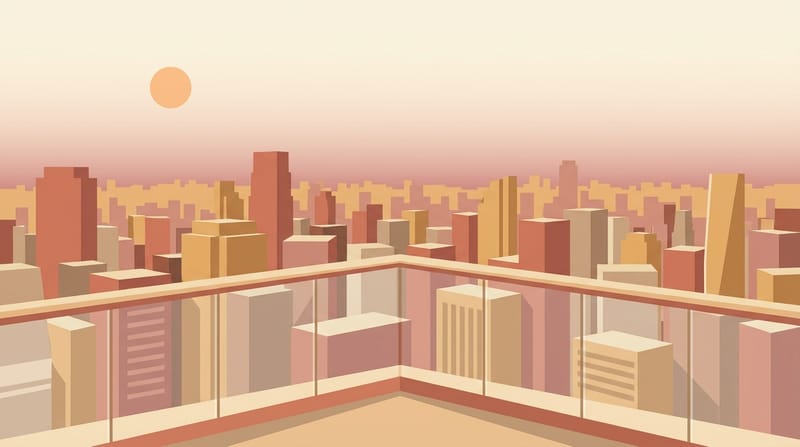
Shibuya Sky Deck
The world's busiest pedestrian crossing and a panoramic rooftop view
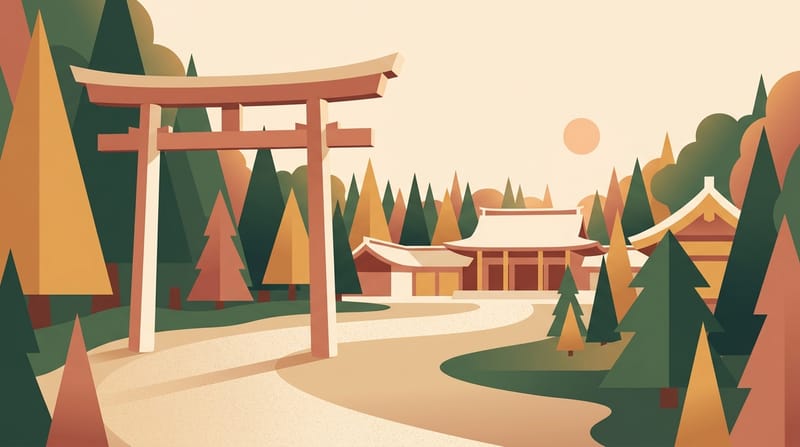
Meiji Shrine
Serene Shinto shrine nestled inside a massive forest in the city center
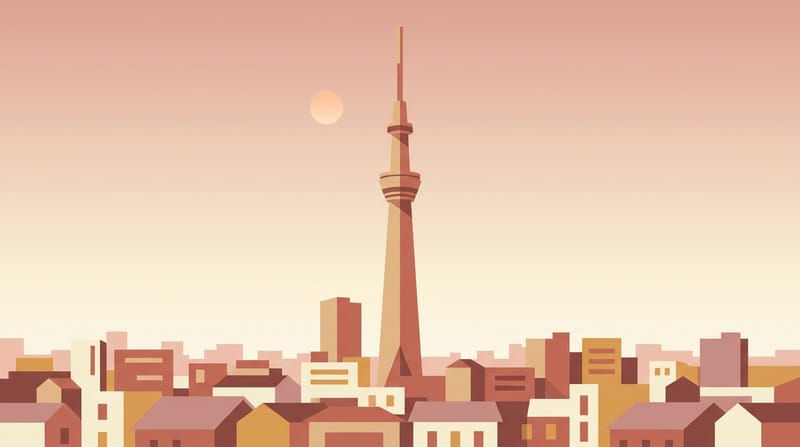
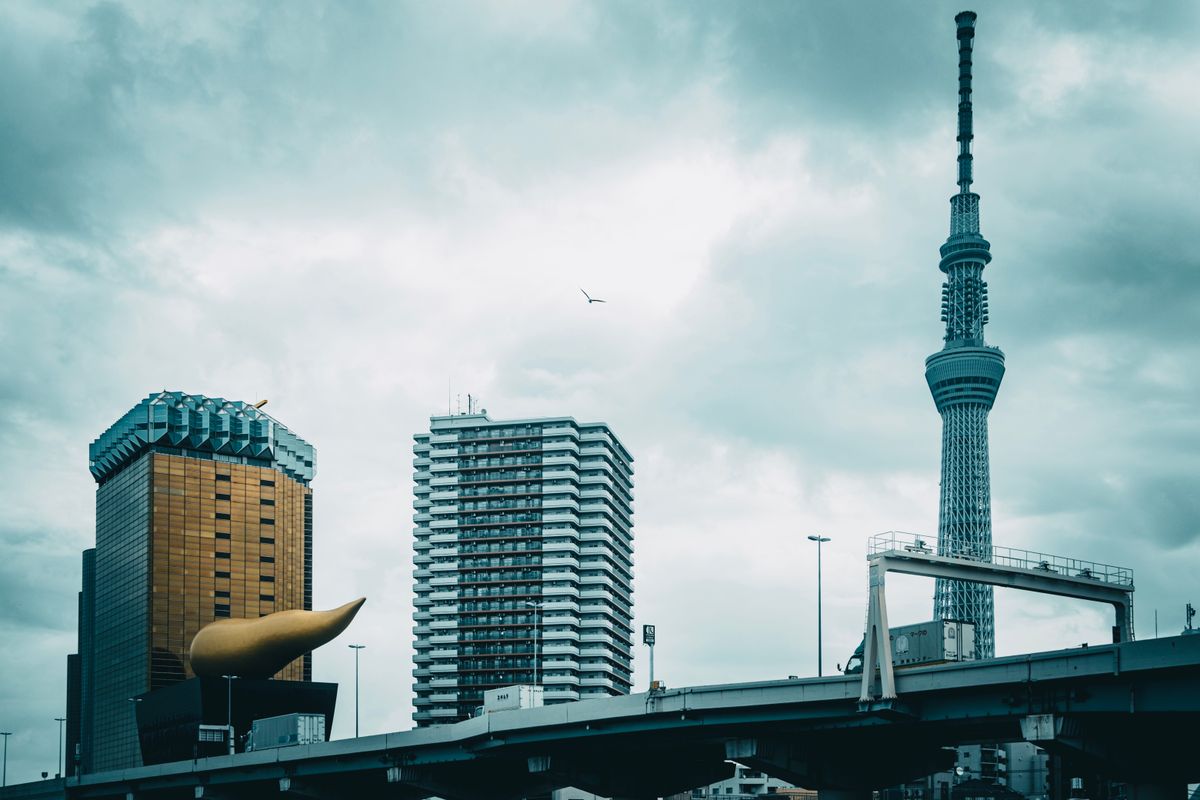
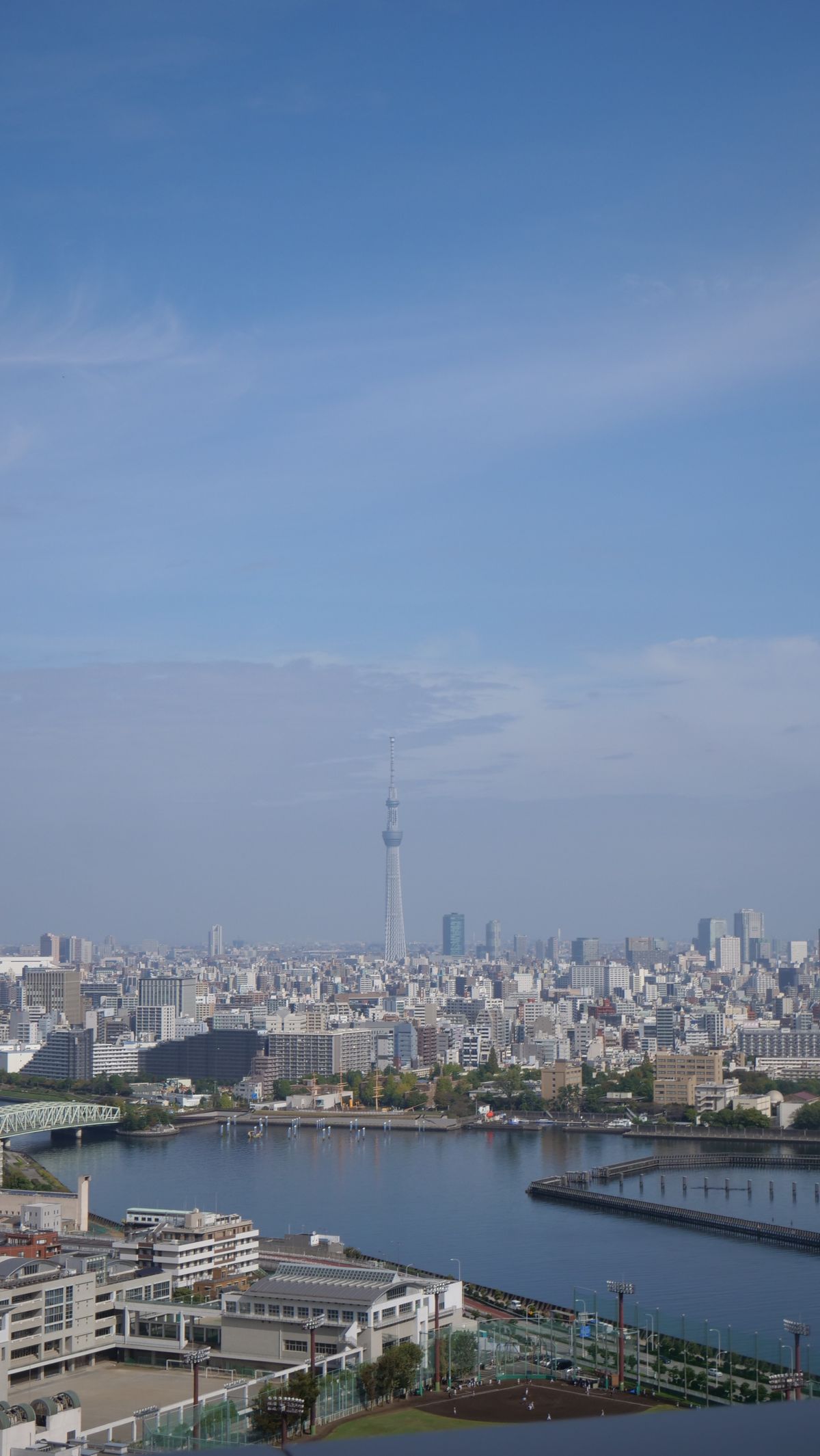
Tokyo Skytree
Panoramic views from one of the world's tallest towers, plus a canal-side excursion
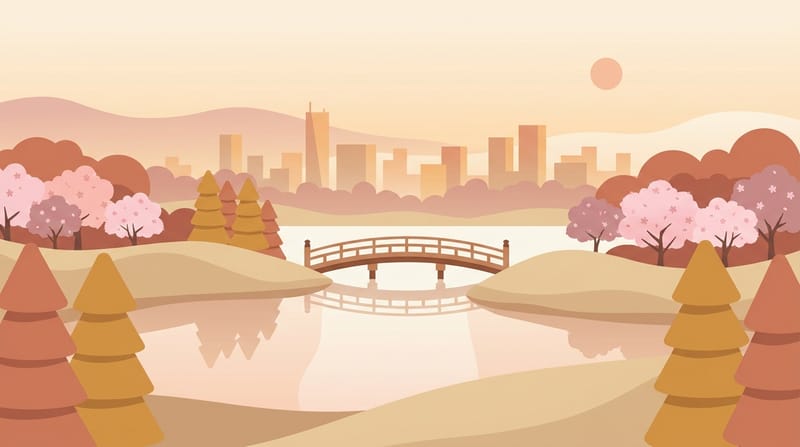
Shinjuku Gyoen National Garden
Traditional Japanese gardens and evening street-food stops

teamLab Planets Tokyo
An interactive museum filled with digital art and light installations
What to eat in Tokyo
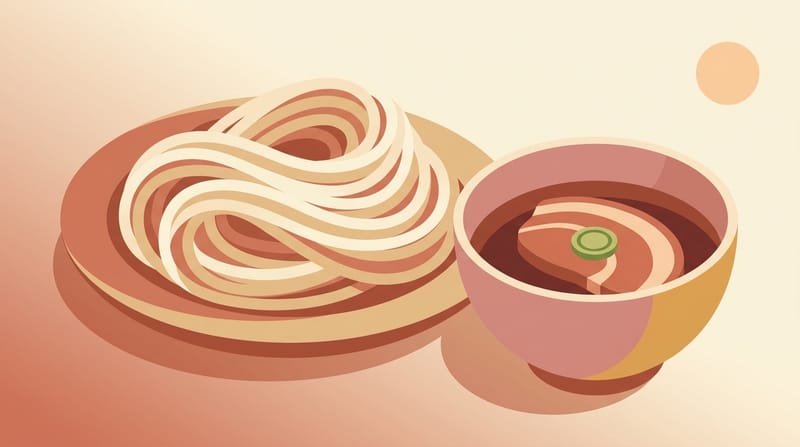
Fuunji Shinjuku
Tokyo's most delicious tsukemen dipping noodlesLegendary noodles in Shinjuku served with a rich fish and chicken broth

Kitsuneya Tsukiji
Fresh beef offal and beef rice bowl at the historic outer marketA legendary stew with a rich sauce that has simmered for decades at Tsukiji Outer Market

Suzukien Asakusa
The world's most intensely flavored level 7 matcha gelatoA gourmet dessert in Asakusa prepared according to traditional green tea intensity levels
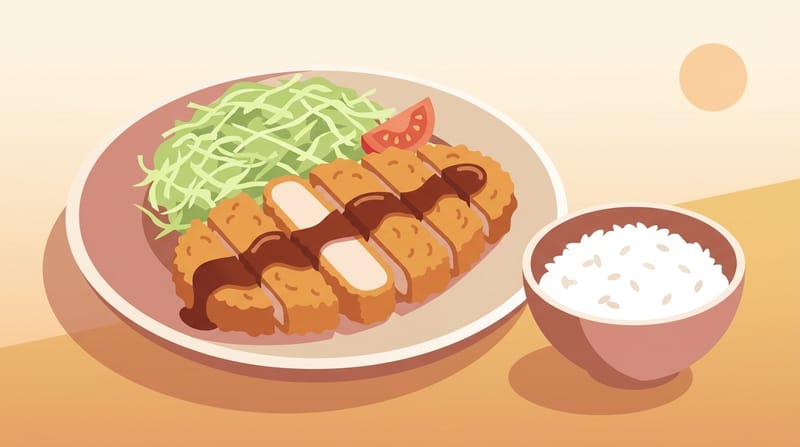
Tonkatsu Hasegawa Ryogoku
A feast of juicy pork cutlet coated in crispy breadcrumbsAn iconic meat dish in Ryogoku, fried with special breadcrumbs

Daikokuya Tempura Asakusa
Special sesame-oil tempura made the same way since 1887A historic shrimp tempura bowl in Asakusa served with a special dark sauce

Sushidokoro Yamato Toyosu
Daily fresh omakase sushi from the seafood marketA selection of the finest fish caught early in the morning at Toyosu Market
Where to stay
| Areas | ShinjukuPrice: High | Tokyo Station / MarunouchiPrice: High | ShibuyaPrice: High | AsakusaPrice: Low | UenoPrice: Medium |
|---|---|---|---|---|---|
| Atmosphere | As Tokyo's largest transportation hub, Shinjuku is the city's most dynamic center, featuring a massive train station, vibrant nightlife, shopping opportunities, and a wide range of hotel options. | The historic and financial heart of the city, this area serves as the terminus for Shinkansen (bullet train) lines. It is orderly, prestigious, and situated at the core of the business district. | The epicenter of youth culture, fashion, shopping, and pop entertainment, Shibuya is world-famous for its iconic scramble crossing and high-energy streets. | Home to the famous Senso-ji Temple, Asakusa is a traditional and tranquil area that preserves Tokyo's historic 'Shitamachi' (old town) atmosphere. | A practical and cultural hub featuring a large park, world-class museums, the Ameyoko market, and the terminal for the Keisei Skyliner train direct to Narita Airport. |
| Best for | First-time visitorsNightlife enthusiastsFoodiesTravelers seeking easy transport connections | Travelers taking Shinkansen across JapanBusiness travelersLuxury accommodation seekersFamilies | Young travelersShopping enthusiastsNightlife and pop culture lovers | Budget-conscious travelersTraditional culture enthusiastsQuiet atmosphere seekersFamilies | Budget-conscious travelersMuseum and park loversTravelers prioritizing convenient Narita Airport access |
| Accommodation profile | PriceHighNightlifeHighWalkabilityMedium | PriceHighNightlifeLowWalkabilityHigh | PriceHighNightlifeHighWalkabilityHigh | PriceLowNightlifeLowWalkabilityHigh | PriceMediumNightlifeMediumWalkabilityHigh |
| Transport | JR Yamanote LineJR Chuo LineTokyo Metro Marunouchi LineToei Shinjuku LineToei Oedo Line | JR Yamanote LineJR Tokaido ShinkansenTokyo Metro Marunouchi LineJR Keiyo Line | JR Yamanote LineTokyo Metro Ginza LineTokyo Metro Hanzomon LineTokyo Metro Fukutoshin Line | Tokyo Metro Ginza LineToei Asakusa LineTobu Skytree Line | JR Yamanote LineJR Keihin-Tohoku LineKeisei Main Line / SkylinerTokyo Metro Ginza LineTokyo Metro Hibiya Line |
| Advantages |
|
|
|
|
|
| Consider |
|
|
|
|
|
Planning notes.
Researched recommendations, practical information and route decisions.
- Take a scenic water-bus ride along the Sumida River from Asakusa to Odaiba
- Watch the sunset over the city from the panoramic observation deck at Shibuya Sky
- Taste the legendary tsukemen dipping noodles at Fuunji in Shinjuku
- Avoid taking trains during peak rush hours between 08:00 and 09:00
- Do not follow street touts inviting you to bars in the Kabukicho area
- Avoid talking loudly or making phone calls on public transport and streets
- Get a Welcome Suica or a digital Pasmo transit card at the airport or station
- Always carry some cash in yen for small shops, traditional eateries, and vending machines
- Visit major shrines and popular attractions before 08:00 in the morning
Tokyo map
What will it cost me?
Figures are per-person daily USD estimates compiled from BudgetYourTrip, Numbeo and recent traveller reports. Flight/ferry tickets not included.
✓ Prices are compiled from real traveller spending. · Last updated: Aug 2026
How many days?
Choose the best route for your schedule.
What to know before you go.
Tourist traps, SIM, money, taxis, safety, health, transit and language — the city in eight answers.
Going to overpriced bars aimed at tourists and venues promoted by street touts
scamTokyo is one of the safest cities in the world. You can carry your belongings around with relative peace of mind
safetyTap water is completely safe to drink. You can easily find the medicines you may need at pharmacies
healthUse Welcome Suica for pay-as-you-go rides; if you will use Metro+Toei heavily, the 72-hour Tokyo Subway Ticket is JPY 2,000 and does not cover JR lines
cardLearn Arigato Gozaimasu for “thank you” and Sumimasen for “excuse me” or “sorry”
languageTokyo: weather and crowds by month
🎒 What to pack
- ✔ Walking shoes
- ✔ Power adapter
- ✔ Jacket
- ✔ Layers
- ✔ Umbrella
- ✔ Sunscreen
- ✔ Hat
- ✔ Light clothing
FLIGHTS
Airport to city
JR Narita Express (N'EX)Tokyo Station, Shinjuku, Shibuya, Shinagawa
Approximately 60 minutes (to Tokyo Station)
Best for: Travelers staying in Tokyo, Shinjuku, or Shibuya using a JR Pass or N'EX Round Trip Ticket
Limitations: All seats require reservation; does not go directly to Ueno or Asakusa.
♿ Accessible
↗ Official sourceKeisei SkylinerNippori Station, Keisei Ueno Station
Approximately 36-41 minutes (to Nippori/Ueno)
Best for: Travelers staying near Ueno or Asakusa seeking the fastest route from Narita to central Tokyo
Limitations: Does not run directly to Shinjuku or Shibuya; transfer at Nippori or Ueno is required.
♿ Accessible
↗ Official sourceTokyo MonorailHamamatsucho Station (transfer to JR Yamanote)
Approximately 13-15 minutes (via Express trains)
Best for: Travelers from Haneda looking to connect quickly to the JR Yamanote Line heading toward Tokyo, Shinjuku, or Akihabara
Limitations: Transfer to JR lines is necessary at Hamamatsucho Station.
♿ Accessible
↗ Official sourceKeikyu Airport LineShinagawa Station, Toei Asakusa Line (direct through-service)
Approximately 11-15 minutes (to Shinagawa Station)
Best for: Travelers heading directly to Shinagawa, Asakusa, Ginza, or Yokohama
Limitations: Trains can get congested during rush hours, making heavy luggage challenging to handle.
♿ Accessible
↗ Official sourceTokyo: frequently asked questions
For a Tokyo trip, is Haneda or Narita more convenient, and how do you reach central Tokyo?
How do Suica and PASMO IC cards work in Tokyo, and which option makes sense for visitors?
For a first visit to Tokyo, should you stay in Shinjuku, Shibuya, Asakusa or around Tokyo Station?
What is the difference between Tsukiji Outer Market and Toyosu Market, and which should tourists visit?
Do popular Tokyo attractions such as Shibuya Sky, the Ghibli Museum and teamLab Planets need advance booking?
Related articles
Nearby routes