


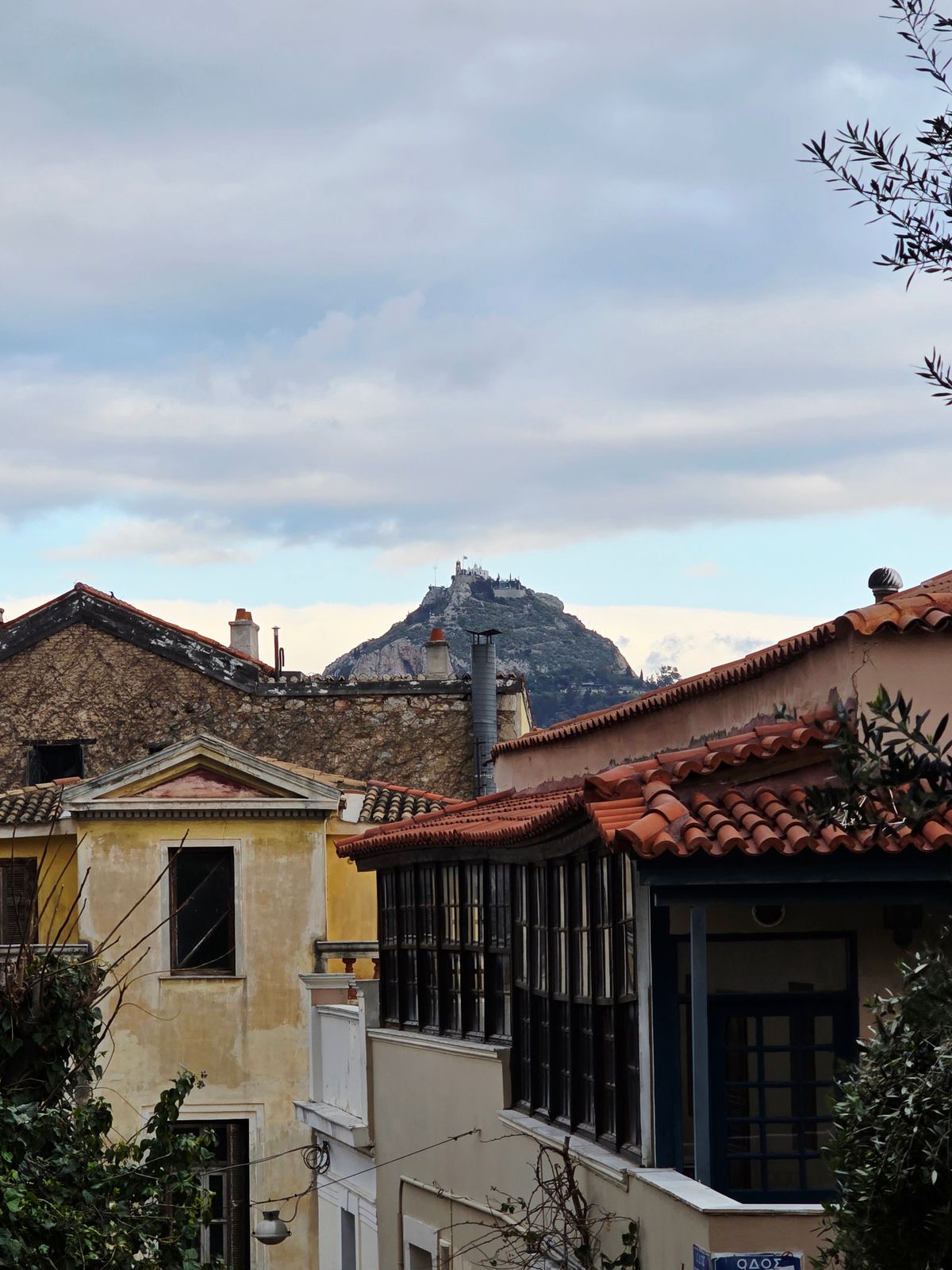
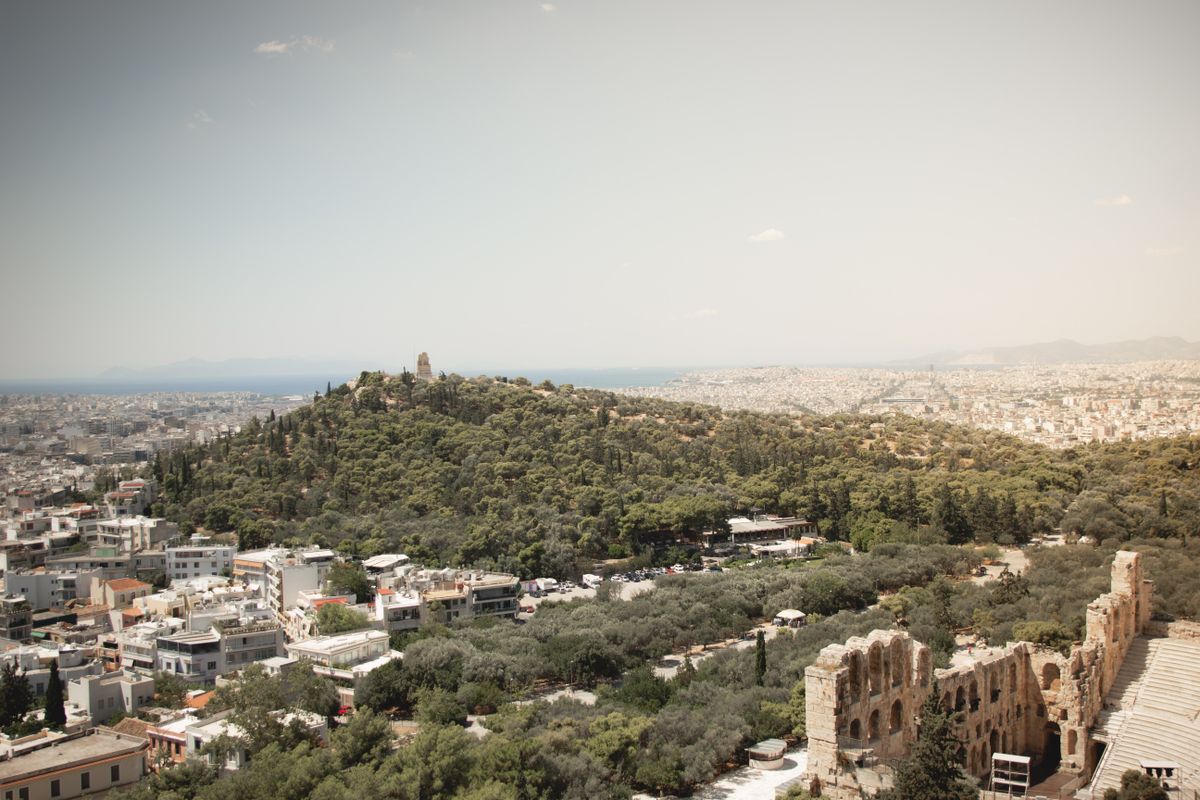
Athens Travel Guide
Europe's oldest capital
Last updated: 2026-09-05
The city's 24-hour rhythm.
Turn the dial to any hour and it tells you where you should be.
Monastiraki
The tourist meeting point where the city's pulse beats fastest with its flea market, ancient ruins, and ever-bustling square.
Athens: places to visit
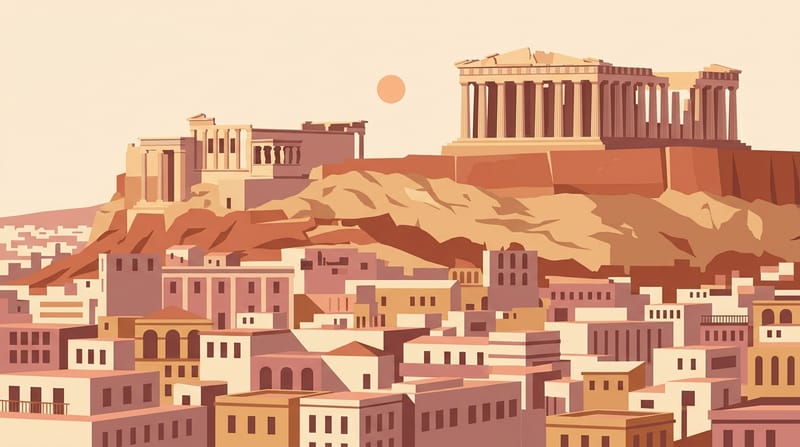
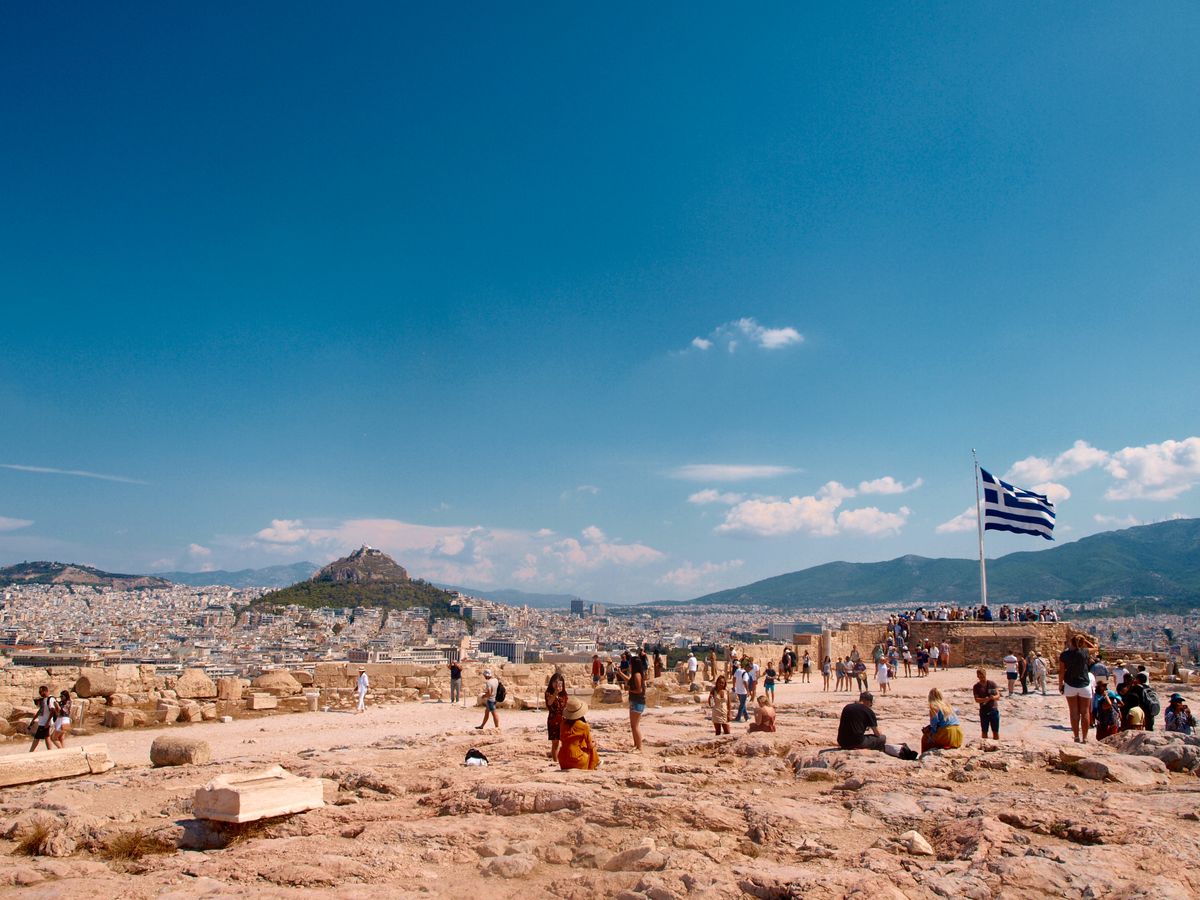
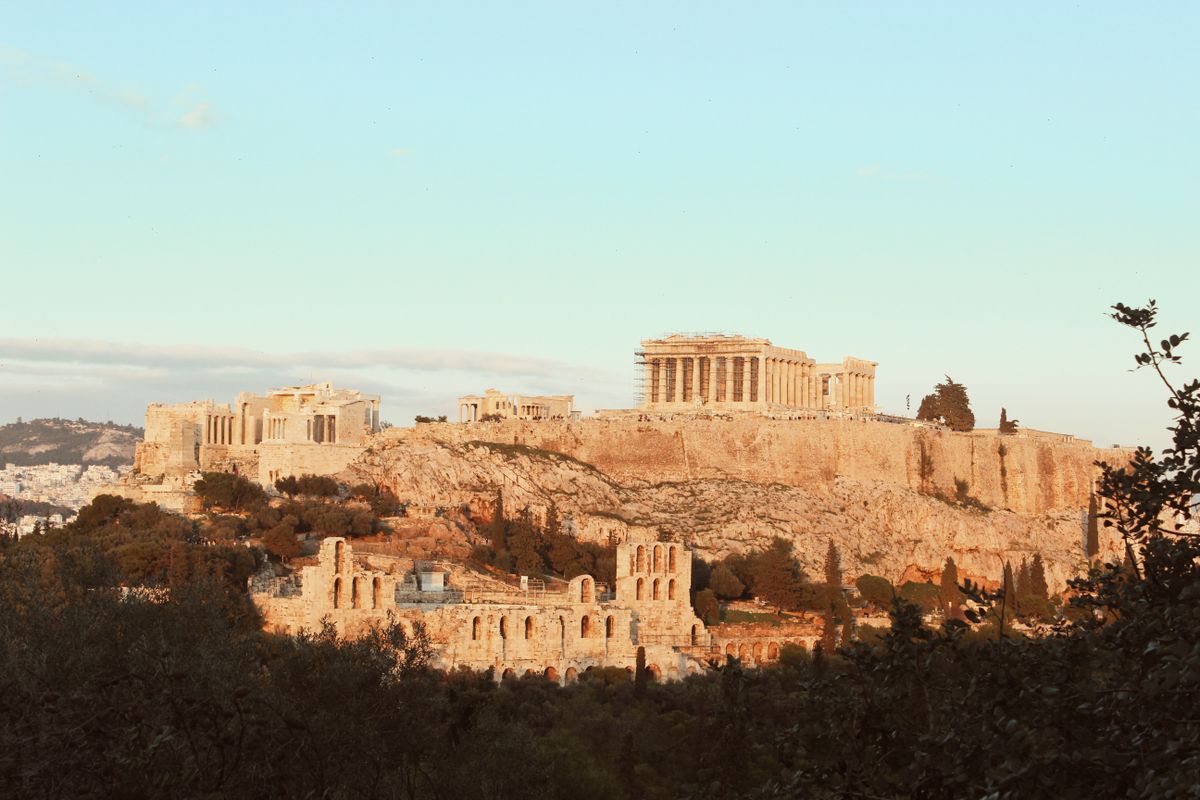
Acropolis
The legendary ancient citadel located in the heart of Athens, home to the Parthenon.
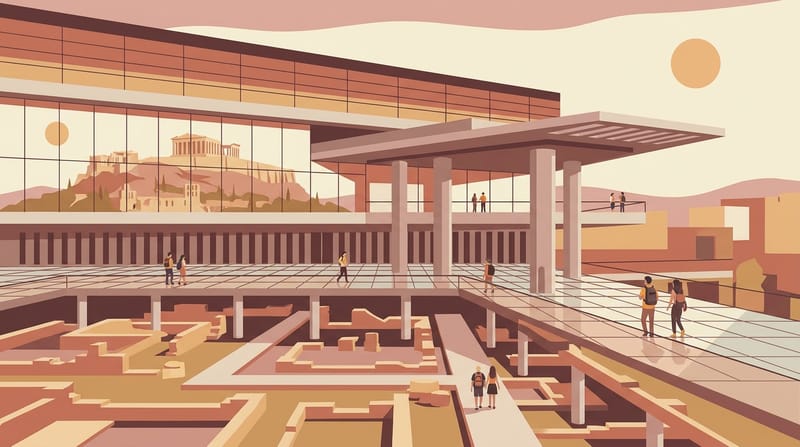
Acropolis Museum
An impressive modern museum building displaying sculptures and ancient artifacts excavated from the Acropolis.
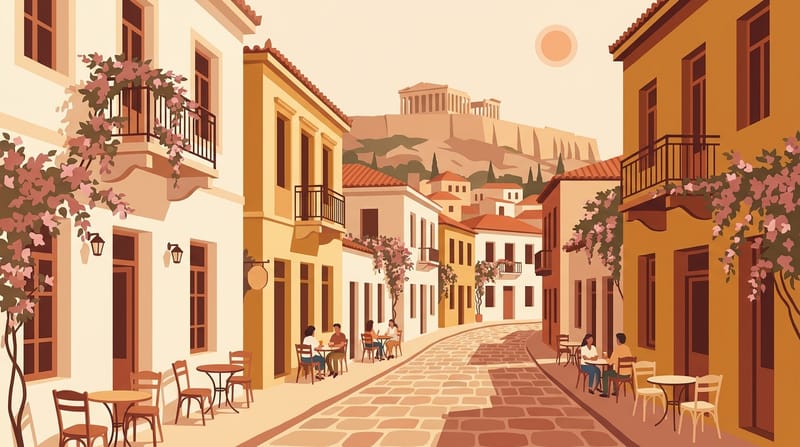
Plaka
Historic and tourist neighborhood of Athens with narrow streets, neoclassical houses, and cozy cafes.
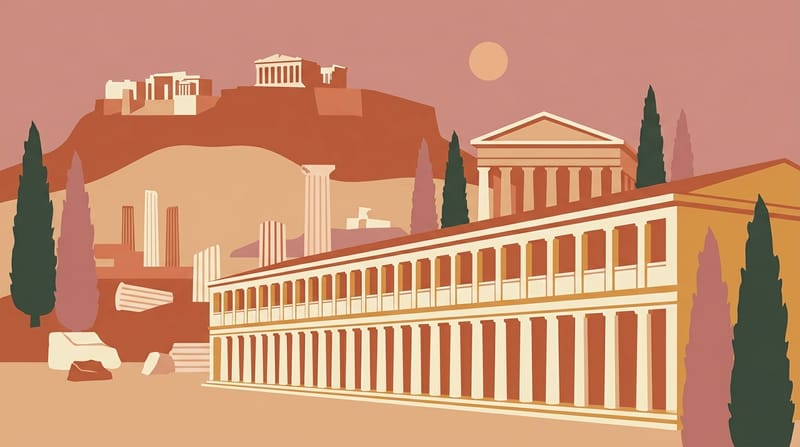
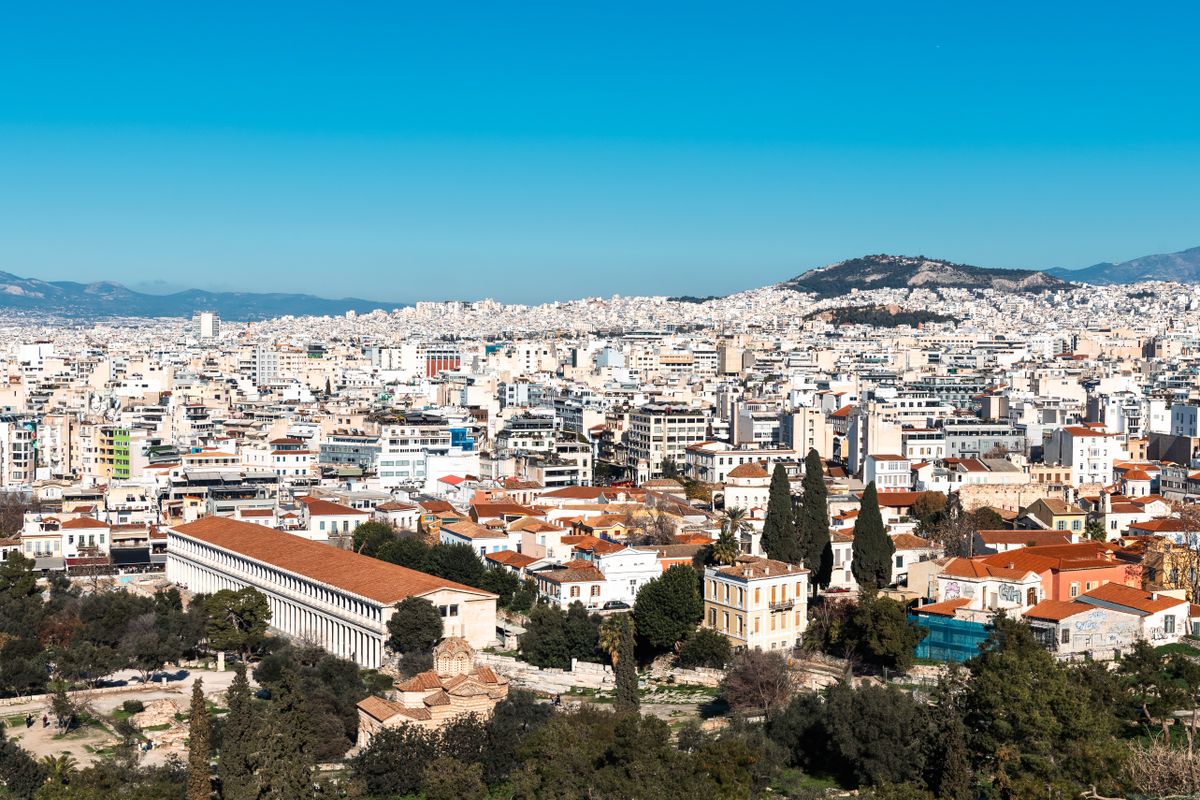
Ancient Agora
The expansive archaeological site that was the commercial, political, and social center of ancient Athens.

National Archaeological Museum
The largest museum in Greece housing one of the world's richest collections of ancient Greek artifacts.

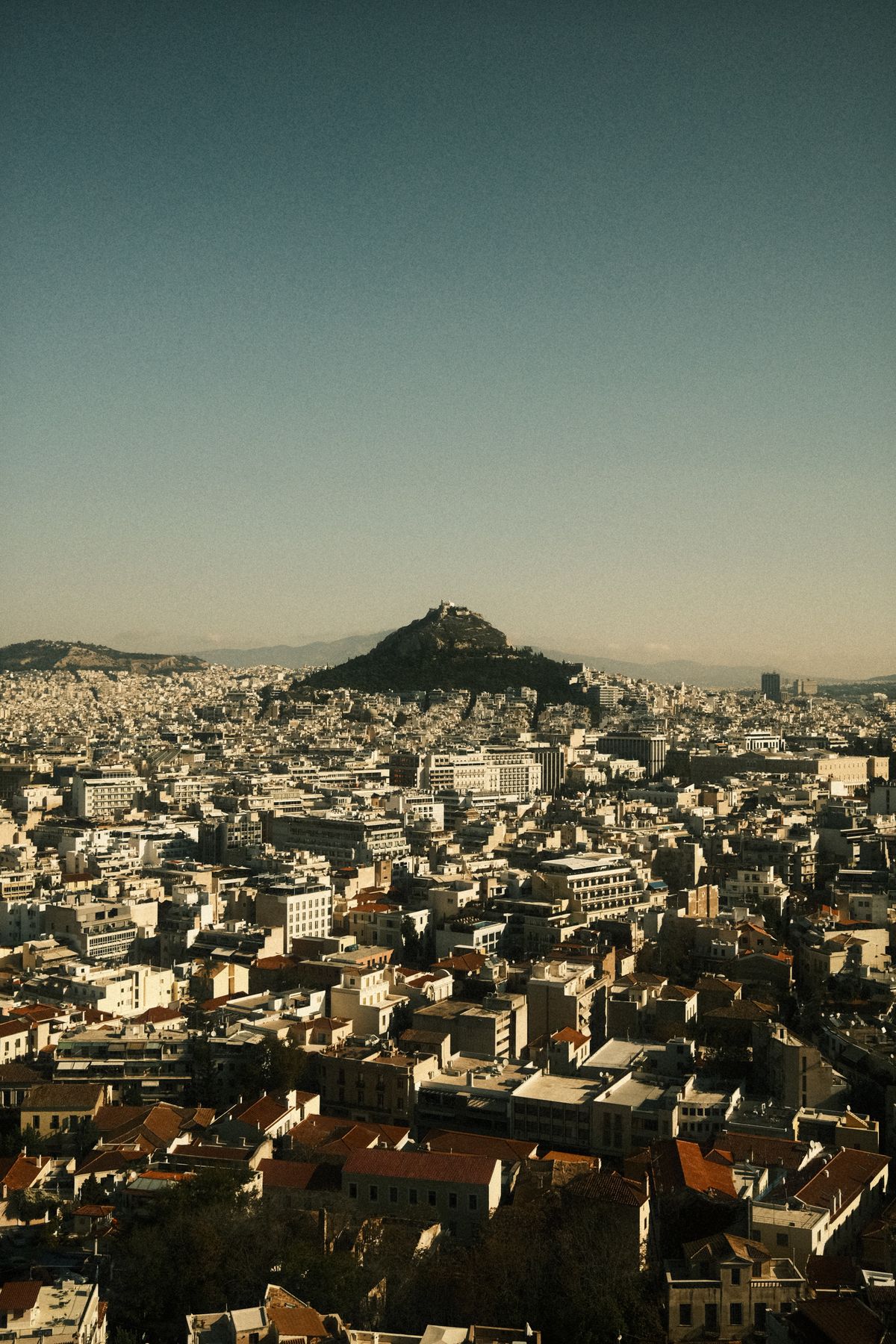
Lycabettus Hill
The highest point in Athens, offering wonderful panoramic views of the city and the Aegean Sea.
What to eat in Athens

Souvlaki
Legendary Greek street foodA delicious snack of hot skewered meat served in pita bread with tomatoes, onions, and tzatziki sauce.

Moussaka
Traditional baked dishA hearty Greek main course made of layered eggplant, potatoes, and minced meat, baked with béchamel sauce on top.

Horiatiki
Fresh Greek saladA refreshing dish prepared with thickly sliced tomatoes, cucumbers, olives, onions, and topped with a large slice of feta cheese.

Loukoumades
Honey dough puffsCrispy on the outside, fluffy on the inside Greek dough sweets served hot, generously drizzled with honey and sprinkled with cinnamon.

Gyros
The Greek style of donerA wonderful street food where meat roasted on a vertical spit is thinly sliced and typically served in pita bread with fries and special sauces.

Frappe
Iced coffee breakThe iconic frothy cold Greek coffee that provides refreshment on hot summer days.
Where to stay
| Areas | PlakaPrice: High | Koukaki / AcropolisPrice: Medium | Monastiraki / PsirriPrice: Medium | Historic Centre / Syntagma–Monastiraki trianglePrice: Medium | KolonakiPrice: High | Gazi / KeramikosPrice: Medium |
|---|---|---|---|---|---|---|
| Atmosphere | A classic central choice for first-time visitors to Athens, with historic fabric, narrow streets, monuments and heavy visitor traffic at the foot of the Acropolis. | A central area balancing history and neighbourhood life, with the Acropolis Museum, a pedestrian promenade linking ancient sites and café-bar life around Syngrou-Fix. | A very central and lively area where layers of history, market activity, commerce, craft shops, student cafés and bars come together. | The commercial and urban core between Syntagma, Omonia and Monastiraki; a practical base for travellers prioritising public transport and quick access to different neighbourhoods. | A central neighbourhood on the slopes of Lycabettus known for designer shops, stylish cafés, restaurants and a more upscale urban atmosphere. | A lively area west of the centre known for industrial heritage, galleries, restaurants and strong nightlife, especially suitable for evening-focused trips. |
| Best for | First-time visitorsThose who want to walk to the historic centreShort city breaks | First-time visitorsPeople who enjoy walkingThose balancing history with evening life | Nightlife seekersThose who want to stay centralPeople who like a social, lively atmosphere | Those prioritising public transportShort staysThose who want easy access to different parts of the city | Upscale accommodation seekersCafé- and restaurant-focused travellersShoppers | Nightlife seekersBar- and club-focused travellersThose seeking a more alternative urban atmosphere |
| Accommodation profile | PriceHighNightlifeMediumWalkabilityHigh | PriceMediumNightlifeHighWalkabilityHigh | PriceMediumNightlifeHighWalkabilityHigh | PriceMediumNightlifeMediumWalkabilityHigh | PriceHighNightlifeMediumWalkabilityMedium | PriceMediumNightlifeHighWalkabilityMedium |
| Transport | Strong pedestrian routes within the historic centre.Practical access to the central transport hubs towards Monastiraki and Syntagma. | Syngrou-Fix is a key station connecting metro and tram services.The Acropolis and Syngrou-Fix stations are on Line 2. | Monastiraki metro station provides direct links within the centre.Line 3 offers a direct rail connection to the airport; check the current evening schedule. | Syntagma connects Lines 2 and 3.Lines 1 and 3 are reachable via Monastiraki. | Line 3 stops at Evangelismos and Syntagma serve the area.Expect climbing on the last stretch due to the Lycabettus slopes. | Keramikos is on Line 3.Line 3 links directly towards Monastiraki and Syntagma. |
| Advantages |
|
|
|
|
|
|
| Consider |
|
|
|
|
|
|
Planning notes.
Researched recommendations, practical information and route decisions.
- Visit the Acropolis and Parthenon at 08:00 AM, before the crowds and midday heat hit.
- Take an evening stroll in the area starting from Monastiraki Square and extending into the streets of Psirri.
- Get lost among the fascinating sculptures of antiquity at the National Archaeological Museum.
- Avoid visiting open, shadeless ancient ruins in the midday heat, especially in the summer months.
- Stay away from eating at restaurants in tourist squares that have too many languages and photos on their menus.
- Avoid walking alone late at night in Omonia Square and the deserted back streets around it.
- For the Acropolis, especially in peak season, book a timed entry in advance through the official e-ticketing system; the old five-day combination ticket is no longer available.
- Don't forget to validate your metro ticket at the machines when coming from the airport to the city centre, fines are quite high.
- Climb up to Lycabettus Hill close to sunset to watch the city from above.
Athens map
What will it cost me?
Figures are per-person daily USD estimates compiled from BudgetYourTrip, Numbeo and recent traveller reports. Flight/ferry tickets not included.
✓ Prices are compiled from real traveller spending. · Last updated: Aug 2026
How many days?
Choose the best route for your schedule.
What to know before you go.
Tourist traps, SIM, money, taxis, safety, health, transit and language — the city in eight answers.
112 — the free EU-wide emergency number for police, ambulance or fire services.
Not validating your ticket at the validators (yellow machines) when boarding public transport. Plainclothes ticket inspectors are common, and fines are strictly enforced.
scamThe city is generally safe, but watch your bag for pickpockets on Metro Line 1 (Green Line) and in crowded tourist areas.
safetyTap water is drinkable and tasty. You don't need to buy bottled water; you can just carry a flask with you.
healthYou can use an ATH.ENA Ticket or Card on the metro, buses and trams. Full-fare passengers can also tap a contactless Visa or Mastercard directly on the validator to pay.
cardBasic greetings open doors: 'Kalimera' (Good morning), 'Kalispera' (Good evening), and 'Efharisto' (Thank you).
languageAthens: weather and crowds by month
🎒 What to pack
- ✔ Walking shoes
- ✔ Power adapter
- ✔ Umbrella
- ✔ Sunscreen
- ✔ Hat
- ✔ Light clothing
FLIGHTS
Airport to city
Metro Line 3 (Blue Line)Towards Syntagma, Monastiraki and Piraeus / Dimotiko Theatro
Airport–Syntagma takes about 40 minutes according to the current timetable; check the departure time on the day of travel.
Best for: Travellers who want a traffic-independent ride to Syntagma, Monastiraki or other central areas on Line 3.
Limitations: The airport extension uses a different fare from the standard urban ticket. Since 26 July 2026, technical works affect Line 3 on some evenings; especially late at night, check the current STASY timetable.
↗ Official sourceX95 Airport ExpressSyntagma Square
About 60 minutes; may vary with traffic and time of day.
Best for: Those staying around Syntagma and travellers heading to the city centre outside metro operating hours.
Limitations: Road traffic affects the service, so journey time is more variable than by metro.
↗ Official sourceX96 Airport ExpressPiraeus
About 90 minutes; may vary with traffic and time of day.
Best for: Travellers going directly to Piraeus port or the coastal area.
Limitations: It is indirect for accommodation around Syntagma/Plaka in the city centre, and traffic can affect the journey time.
↗ Official sourceAthens: frequently asked questions
Does an Acropolis ticket also include the Acropolis Museum?
How do I get from Athens Airport to Syntagma and the city centre by public transport?
Can I tap a contactless bank card directly on Athens metro, buses and trams?
Can I visit the Acropolis, Ancient Agora and Plaka on foot in one day?
Is Lycabettus Hill worth visiting for Athens views, and how do I get up?
Nearby routes


You may also like


