

Hanoi Travel Guide
A city paced by lakes, old streets and everyday rituals
Last updated: 2026-09-05
The city's 24-hour rhythm.
Turn the dial to any hour and it tells you where you should be.
Coffee break
Pause for egg coffee or a strong Vietnamese brew; sitting in a small café and watching the street flow past is a classic Hanoi pleasure.
Hanoi: places to visit

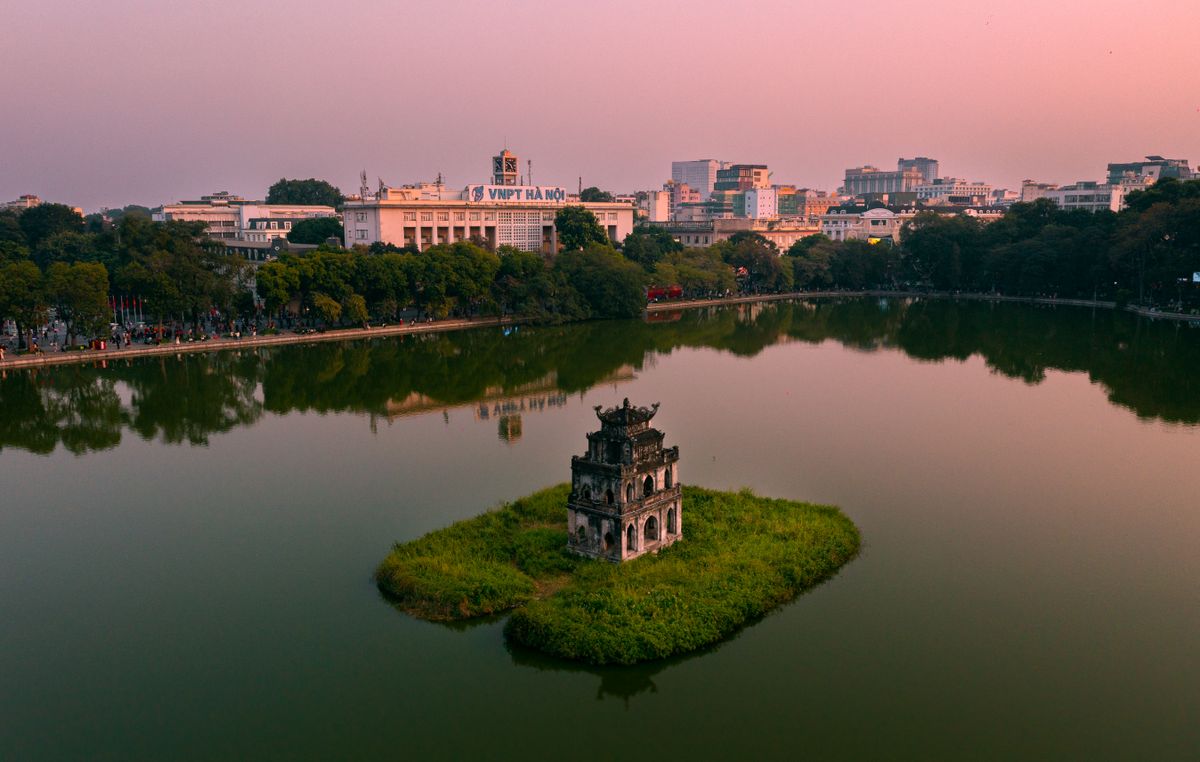
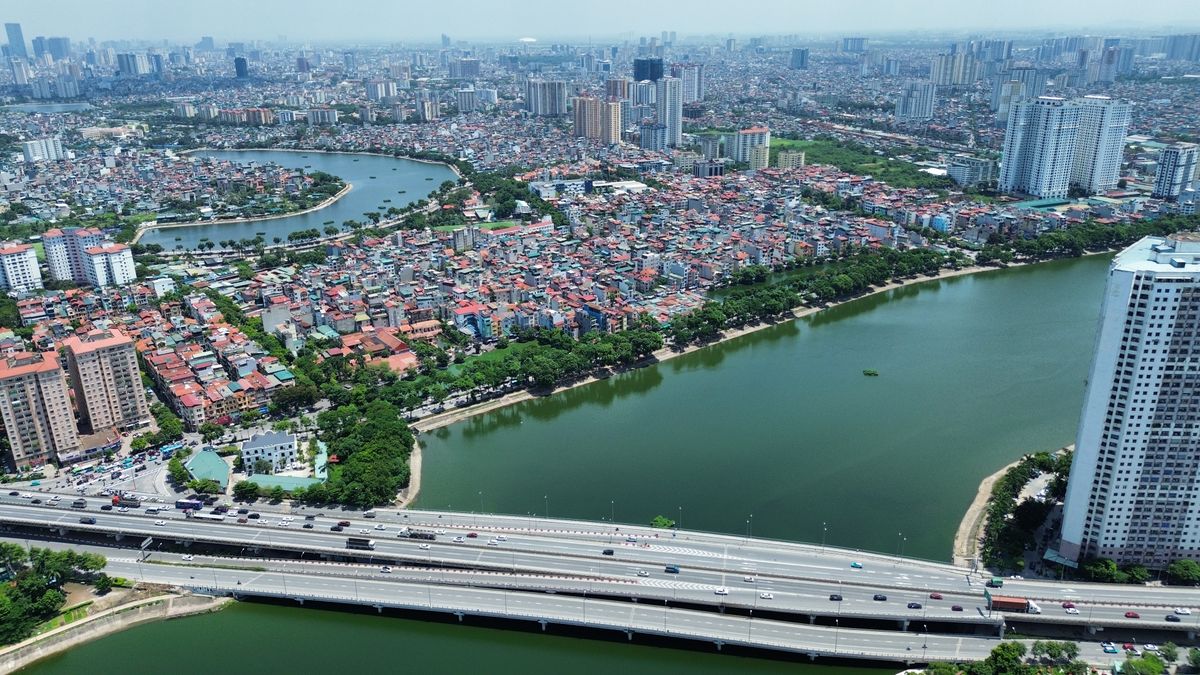
Hoàn Kiếm Lake and Ngọc Sơn Temple
Right in the heart of the city, the lake is one of the best places to feel Hanoi’s everyday rhythm, from early-morning exercise to lively pedestrian evenings at the weekend. Cross the red Thê Húc Bridge to visit Ngọc Sơn Temple on its small island.
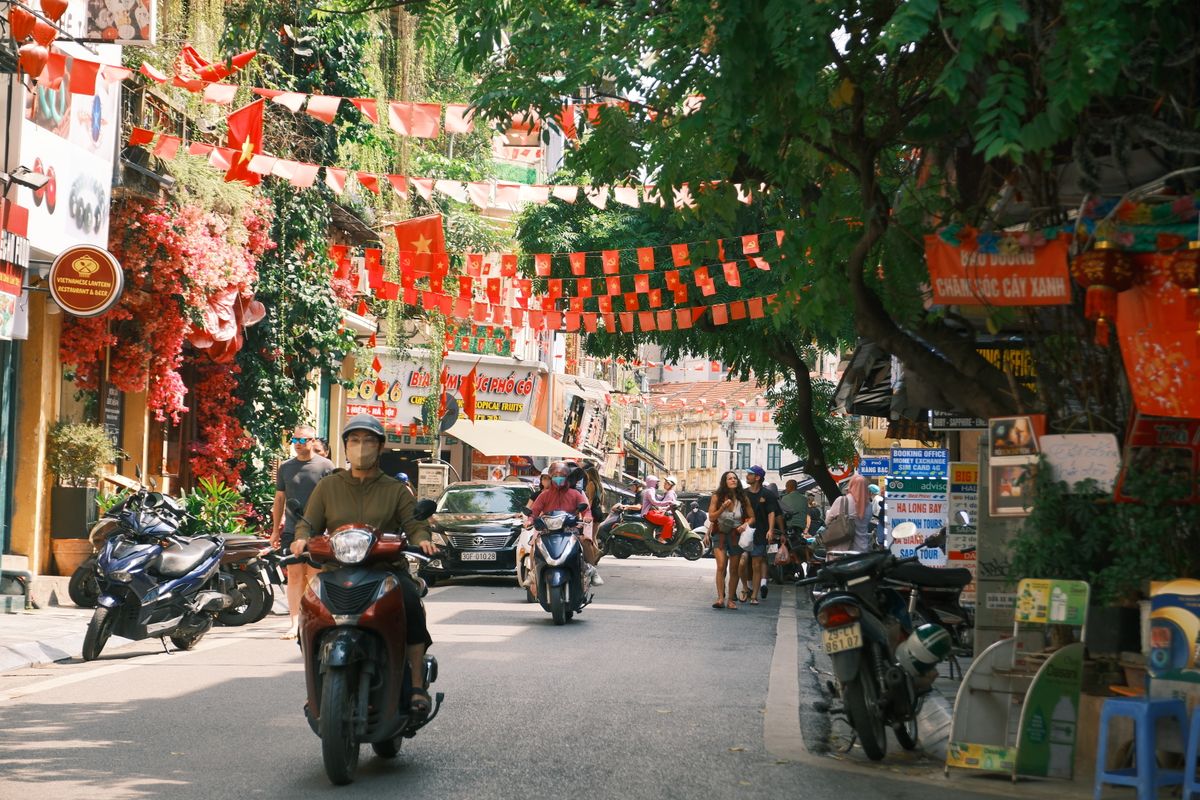
Hanoi Old Quarter
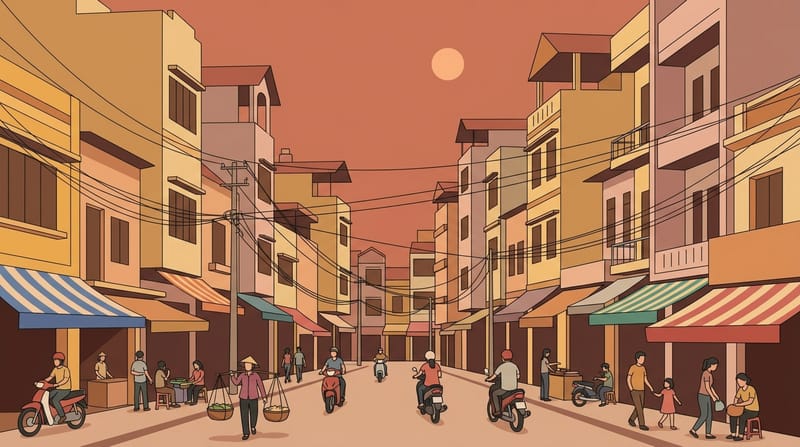
Centuries-old trading streets, narrow lanes, tiny shops and food stalls spilling onto the pavement show Hanoi at its most intense. Rather than following a rigid route, pick a few key streets and leave room to wander between them.
Temple of Literature and Quốc Tử Giám
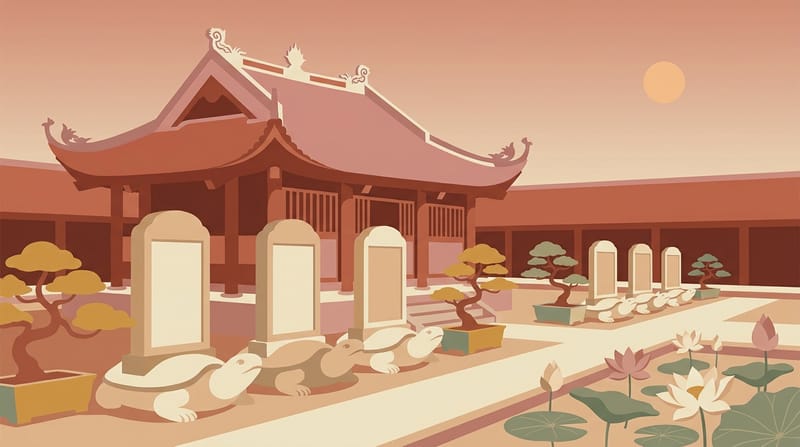
Dedicated to Confucius in 1070, this complex became one of Vietnam’s great symbols of learning with the founding of Quốc Tử Giám in 1076. Allow at least an hour for the courtyards, the stone doctoral stelae and the Khuê Văn Các pavilion.
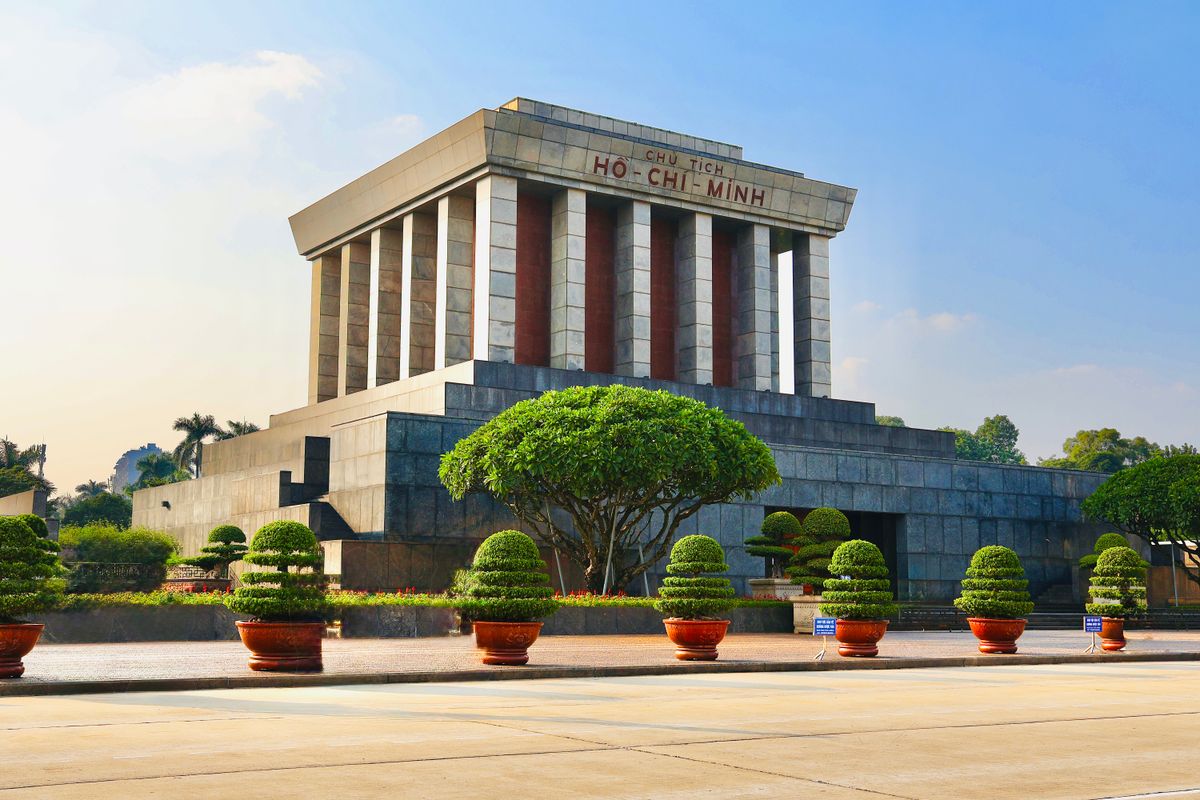
Ho Chi Minh Mausoleum
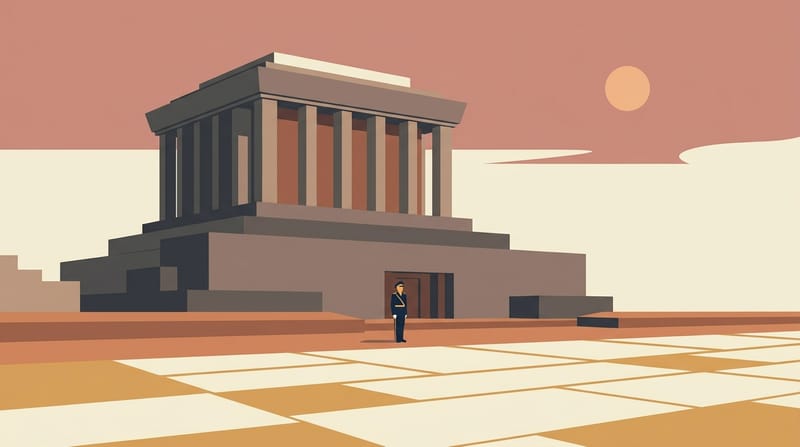
The mausoleum on Ba Đình Square is one of the city’s most important stops for understanding modern Vietnamese history. Photography is prohibited inside and the dress code is strict; arriving early in the morning helps reduce the chance of a long queue.

Imperial Citadel of Thăng Long
This UNESCO World Heritage site traces centuries of Thăng Long as a political centre through archaeological layers, Đoan Môn Gate, the remains of Kính Thiên Palace and the D67 building. It rewards a slow walk across the whole site rather than a quick museum-style visit.
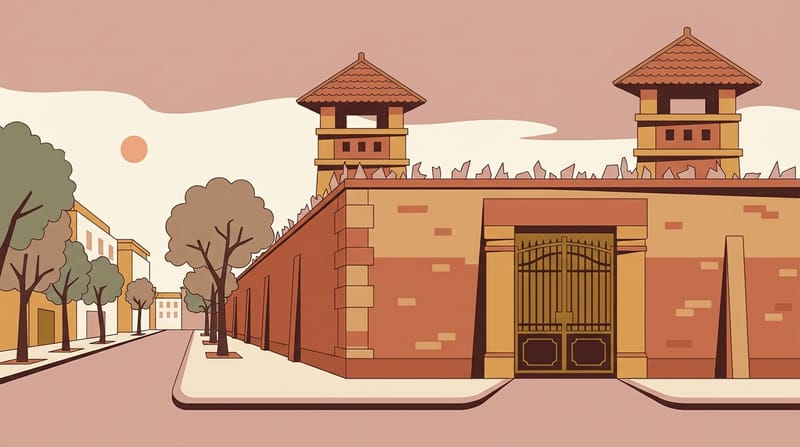
Hỏa Lò Prison
The surviving section of the prison opened by the French colonial administration in 1896 is now a powerful museum on Vietnamese political prisoners and the later wartime period. The exhibitions can be emotionally heavy, so allow at least an hour.
What to eat in Hanoi
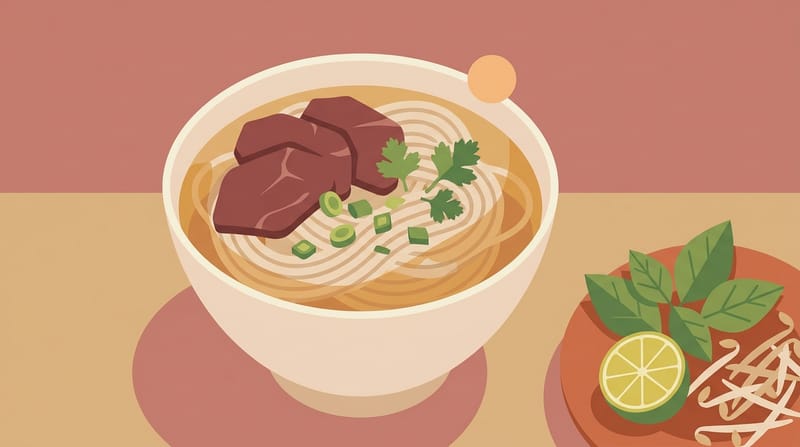
Phở bò
Hanoi’s classic clear beef brothNorthern-style phở pairs a clear beef-bone broth with flat rice noodles and thin slices of beef. Hanoi’s version is typically less sweet, restrained in seasoning and firmly focused on the broth.

Bún chả
Charcoal pork, bún and bright dipping sauceCharcoal-grilled pork patties and belly are eaten with rice vermicelli, fresh herbs and a lightly sweet-sour fish-sauce dip. In Hanoi, bún chả is especially associated with lunchtime.
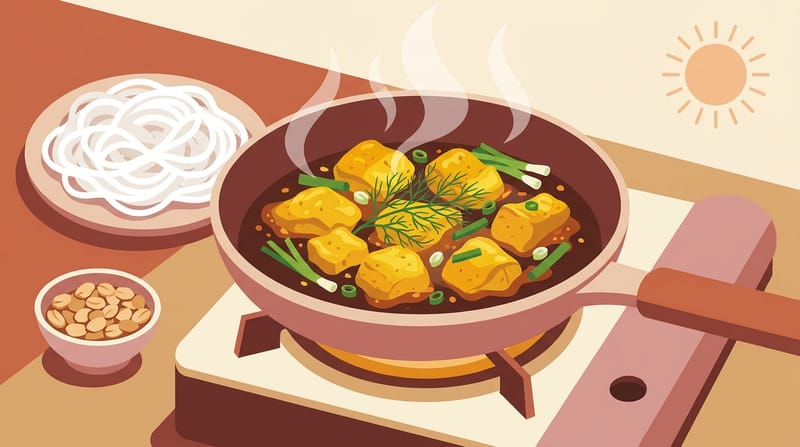
Chả cá
Turmeric, dill and sizzling fishFish marinated with spices and turmeric is finished at the table in a hot pan with dill and spring onion. It is eaten with bún, peanuts and, if you like, pungent mắm tôm.
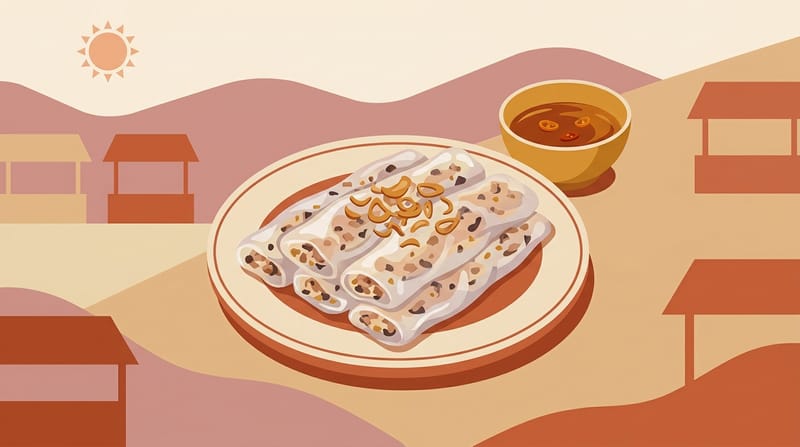
Bánh cuốn
Silky steamed rice rollsPaper-thin steamed rice sheets are rolled around minced pork and wood-ear mushrooms, then served with fried shallots, herbs, Vietnamese pork sausage and nước chấm. It makes a light but distinctive Hanoi breakfast.
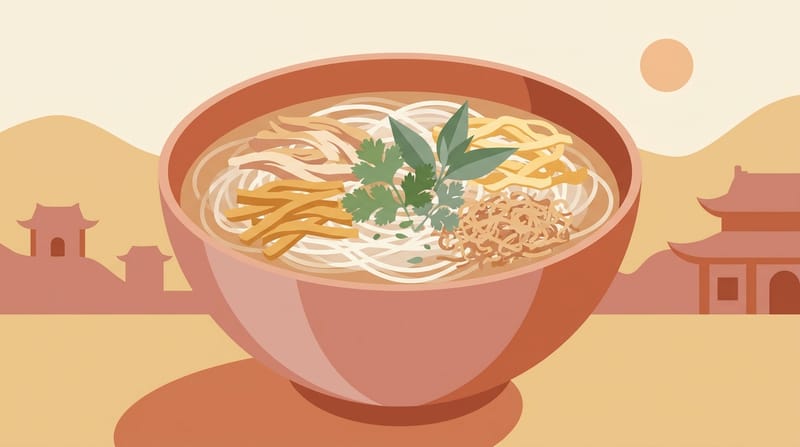
Bún thang
Hanoi’s delicate balance in one bowlA clear chicken broth brings together fine bún, shredded chicken, ribbons of omelette, Vietnamese pork sausage, mushrooms and aromatic herbs. It takes work to prepare, but the flavour is delicate and beautifully balanced.

Egg coffee
Strong coffee under silky egg creamStrong robusta is topped with a warm, velvety cream whipped from egg yolk, sugar and condensed milk. The recipe kept alive by Café Giảng since 1946 has become an emblem of Hanoi’s coffee culture.
Where to stay
| Areas | Old QuarterPrice: Medium | French Quarter and Tràng TiềnPrice: High | Tây Hồ and West LakePrice: High | Ba ĐìnhPrice: Medium | Trúc Bạch and Ngũ XãPrice: Medium |
|---|---|---|---|---|---|
| Atmosphere | The easiest starting point for first-time visitors to Hanoi. Hoàn Kiếm Lake, street food, cafés, the night market and many historic sights are within walking distance, although traffic, horns and crowds can stay intense throughout the day. | The area around the Opera House, Tràng Tiền and the broad, tree-lined streets south of Hoàn Kiếm offers a calmer, more orderly base for travellers who want to stay central without the Old Quarter’s constant bustle. | A roomier, more international area around West Lake that suits longer stays. Lakeside cafés, restaurants and modern services are strong, but it is not compact enough to walk to Hanoi’s classic historic centre. | A quieter, history-focused base close to the Ho Chi Minh Mausoleum, the Imperial Citadel of Thăng Long and many national heritage sites. It is more about daytime sightseeing and culture than nightlife. | A smaller-scale alternative between the Old Quarter and West Lake, with lakeside walks and local food. It is a balanced choice for travellers who want more of a neighbourhood feel without leaving the central area. |
| Best for | First-time visitorsTravellers who want to explore on footStreet foodLively evenings | CouplesArchitecture and cultureA quieter central baseUpscale hotels | Long staysCafés and restaurantsLake viewsA more spacious setting | History loversQuiet eveningsMuseums and monumentsFamilies | Local neighbourhood atmosphereLakeside walksFood-focused tripsA quieter central base |
| Accommodation profile | PriceMediumNightlifeHighWalkabilityHigh | PriceHighNightlifeMediumWalkabilityHigh | PriceHighNightlifeHighWalkabilityMedium | PriceMediumNightlifeLowWalkabilityMedium | PriceMediumNightlifeMediumWalkabilityHigh |
| Transport | Bus 17 from Nội Bài terminates at Long Biên, making it useful for the northern Old Quarter.Airport Express 86 terminates at Ga Hà Nội; from there, a short taxi ride or another connection is needed for the Old Quarter.Within the centre, walking is the most practical option for most visitors. | Airport Express 86 runs as far as Ga Hà Nội; a short onward transfer is needed for the western side of the area.Hoàn Kiếm and the Old Quarter are easy to reach on foot.Because no operating metro line runs directly to Nội Bài, airport access is by bus or road. | Bus or taxi/ride-hailing services are generally the most practical way to reach the centre.Buses between Nội Bài and central Hanoi do not directly serve all of Tây Hồ, so a final connection may be needed.There is no operating metro line directly to the airport. | Airport bus 90 runs toward Kim Mã and may be a more convenient arrival point for Ba Đình than route 86.Short taxi or bus connections can be used to reach the Old Quarter and Trúc Bạch.Walking between major historic sites is possible, but the district as a whole is not compact. | Bus 90 toward Kim Mã can be used to reach the Ba Đình side, followed by another short connection.A short taxi ride or a taxi-and-walk combination works well for the northern Old Quarter and Ba Đình.Walking around the lake is one of the area’s main strengths. |
| Advantages |
|
|
|
|
|
| Consider |
|
|
|
|
|
Planning notes.
Researched recommendations, practical information and route decisions.
- Walk around Hoàn Kiếm Lake near sunrise; morning exercise groups and quieter streets offer one of the best glimpses of Hanoi’s everyday rhythm.
- Explore the Old Quarter on foot, duck into side lanes, try an egg coffee in a small café and finish the meal with bún chả or phở.
- Pair the Temple of Literature with the Imperial Citadel of Thăng Long on the same day to see two very different layers of Hanoi’s history.
- Do not zigzag or stop suddenly when crossing heavy traffic; moving slowly, steadily and predictably is safer.
- Be cautious with unmetered taxis or unsolicited rides when the fare has not been agreed; booking through an app is usually simpler.
- Do not treat access to Train Street as guaranteed. Entry can change at short notice for safety reasons, and you should never step onto active tracks without controlled access.
- Bus 86 runs between Nội Bài Airport and Hanoi Railway Station; the official fare is 50,000 VND and service is roughly from 07:00 to 22:15.
- On weekends the pedestrian zone around Hoàn Kiếm runs from 19:00 Friday until midnight Sunday; go after sunset for the liveliest atmosphere.
- Most Old Quarter highlights link easily on foot. For farther stops, use short app booked rides instead of losing a large part of the day in traffic.
Hanoi map
What will it cost me?
Figures are per-person daily USD estimates compiled from BudgetYourTrip, Numbeo and recent traveller reports. Flight/ferry tickets not included.
✓ Treat budget figures as planning estimates rather than fixed tariffs. Accommodation, app based transport and popular food and drink prices in Hanoi can shift with dates, demand and the neighbourhood you choose. · Last updated: Sep 2026
How many days?
Choose the best route for your schedule.
What to know before you go.
Tourist traps, SIM, money, taxis, safety, health, transit and language — the city in eight answers.
In the Old Quarter, agree on the price, duration and whether the fare is per person or total before taking a cyclo or hailing a taxi on the street. Be wary of copycat business names and persistent offers of help.
scamHanoi is generally easygoing for visitors; the main risks are pickpocketing and phone or bag snatching in crowded areas. Keep your bag in front in the Old Quarter, avoid holding your phone on the traffic side at busy junctions and do not take needless risks on deserted streets at night.
safetyDo not drink tap water; choose sealed bottled water. Air pollution in Hanoi can also become significant at times, so if you are sensitive, check the day's air quality and avoid spending long periods in heavy traffic.
healthOn 25 June 2026, Hanoi launched an integrated electronic ticketing system covering buses and both metro lines. On the metro, you can also tap through the gates directly with a contactless Visa card, phone or watch.
cardBasic English gets you through most situations in the tourist centre, but a few Vietnamese words help a lot: xin chào means hello, cảm ơn means thank you and bao nhiêu? means how much? Even if your tones are imperfect, a polite attempt is usually appreciated.
languageHanoi: weather and crowds by month
🎒 What to pack
- ✔ Walking shoes
- ✔ Power adapter
- ✔ Umbrella
- ✔ Sunscreen
- ✔ Hat
- ✔ Light clothing
FLIGHTS
Airport to city
Bus 86 Airport ExpressGa Hà Nội (Hanoi Railway Station)
Journey time depends on traffic; the airport’s official page does not publish a fixed travel time.
Best for: Travellers heading to southern Hoàn Kiếm, the French Quarter or continuing from the centre to the Old Quarter.
Limitations: Runs roughly every 25–30 minutes from the airport; according to the official page, service operates from 07:00 to 22:05. It does not enter the Old Quarter itself.
↗ Official sourceBus 17Long Biên
Journey time depends on traffic; the airport’s official page does not publish a fixed travel time.
Best for: Budget travellers heading to the northern Old Quarter or the Long Biên area.
Limitations: According to the official page, it runs from 05:10 to 22:00 at roughly 10–15 minute intervals; it may be less comfortable than Express 86 for travellers with luggage.
↗ Official sourceBus 90Kim Mã
Journey time depends on traffic; the airport’s official page does not publish a fixed travel time.
Best for: Budget travellers heading to Ba Đình and the Kim Mã area.
Limitations: According to the official page, it runs from 06:40 to 22:30 about every 20 minutes; an onward connection is needed for Hoàn Kiếm and the Old Quarter.
↗ Official source