Sofia Travel Guide
A modest capital in the shadow of Mount Vitosha.
Last updated: 2026-09-05
The city's 24-hour rhythm.
Turn the dial to any hour and it tells you where you should be.
The Serdika ruins
A Roman city unearthed during metro works, displayed inside the station.
Sofia: places to visit
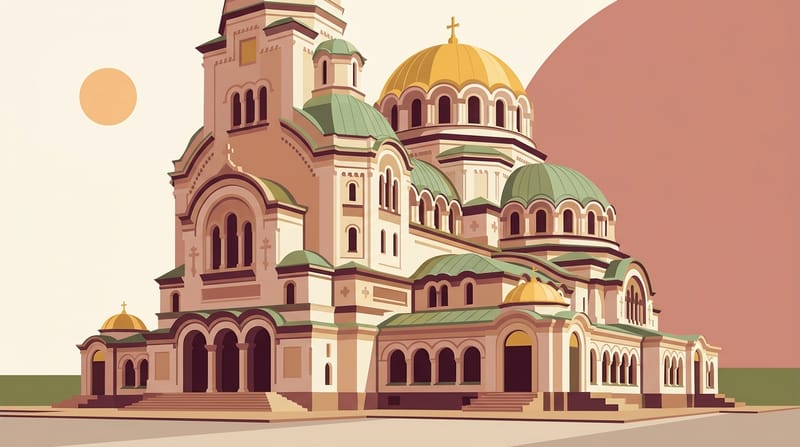
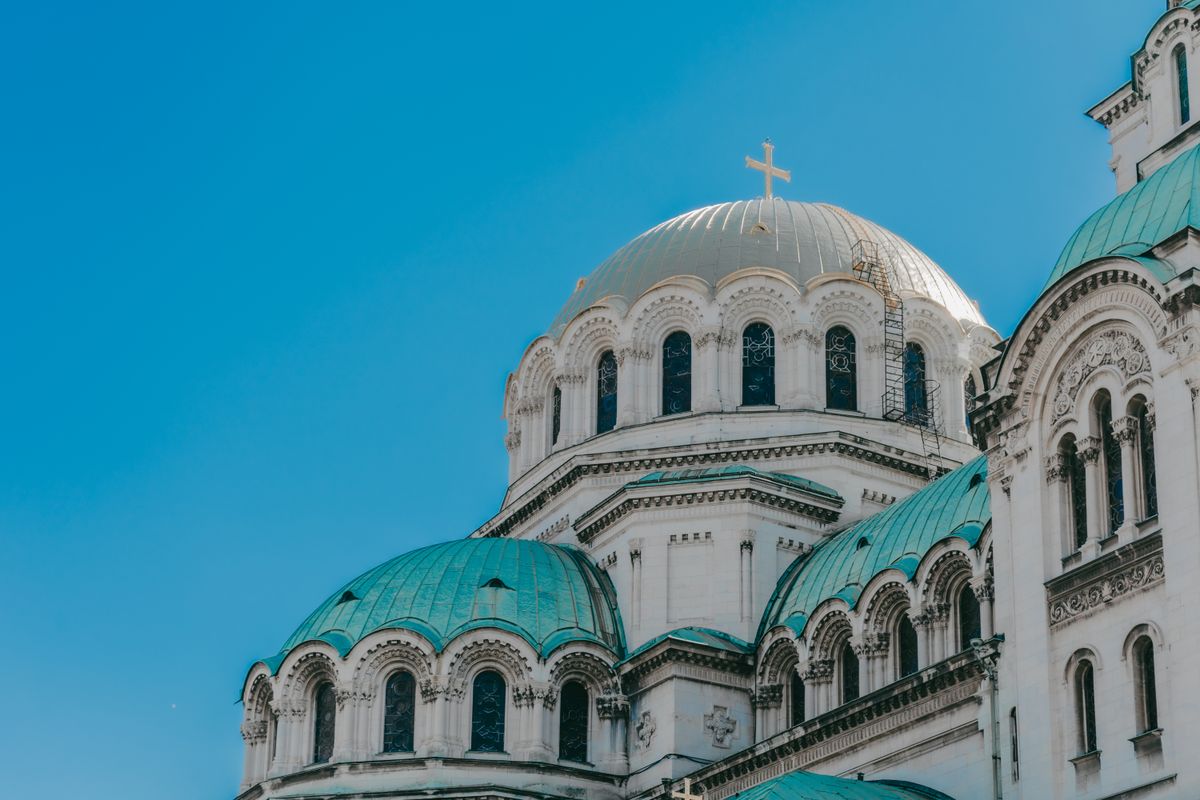
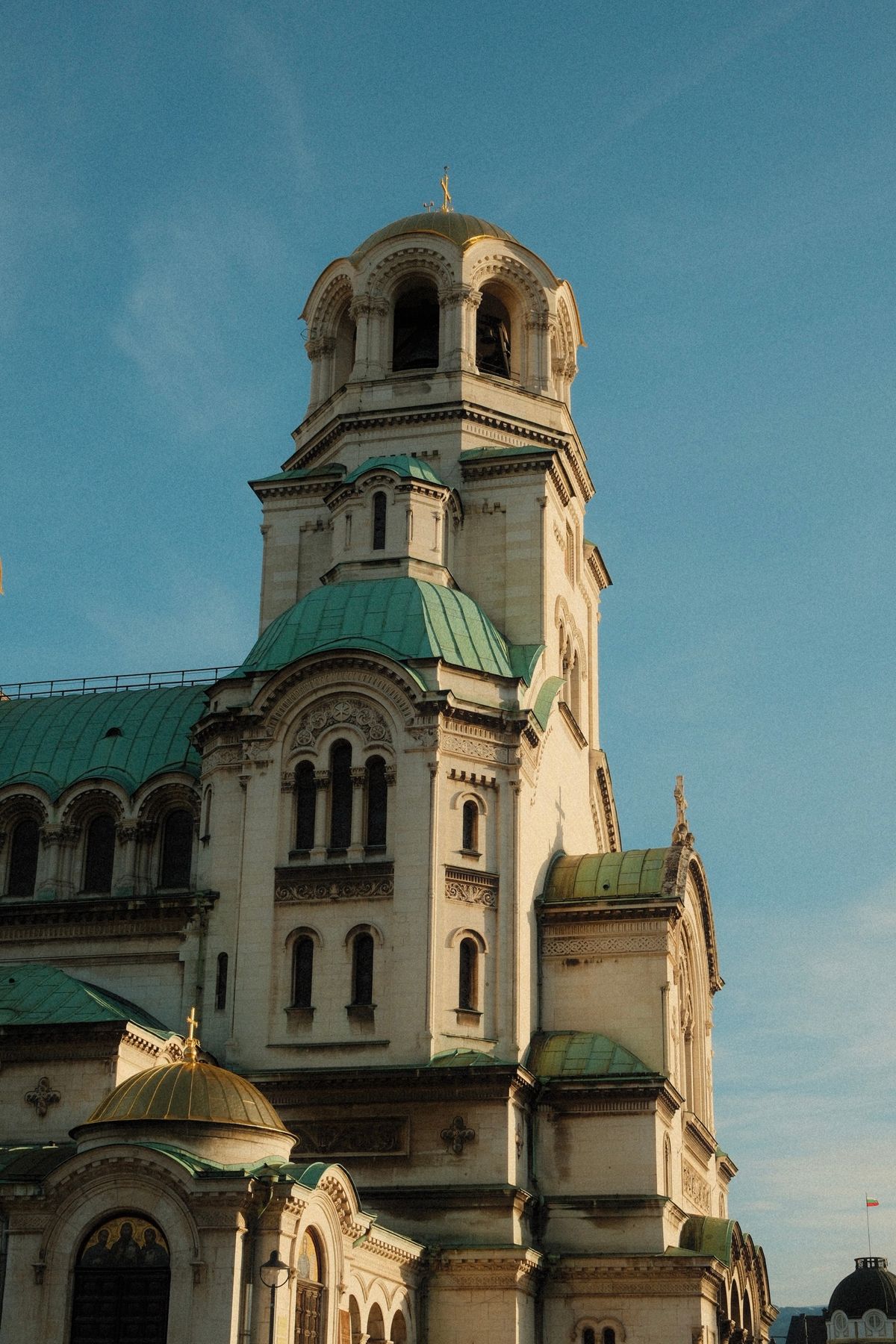
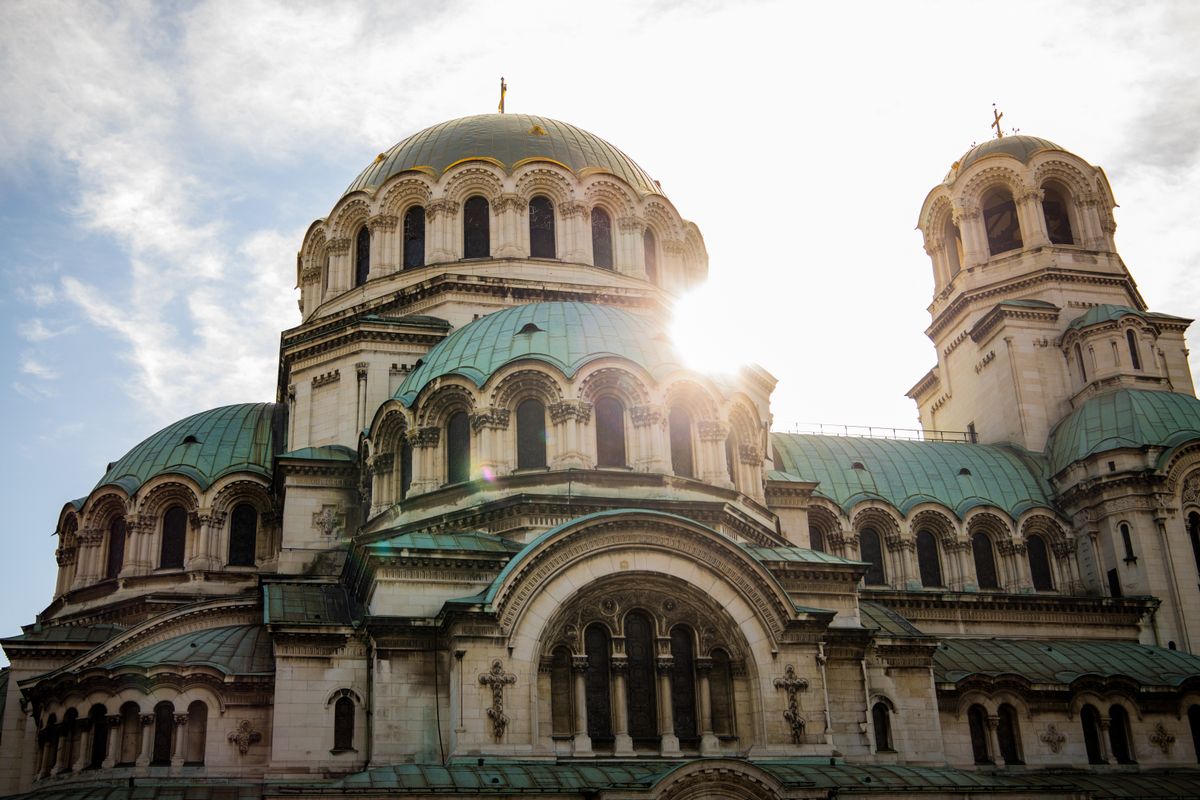
St. Alexander Nevsky Cathedral
A massive cathedral completed in 1912, featuring striking Neo-Byzantine architecture and gold-plated domes.
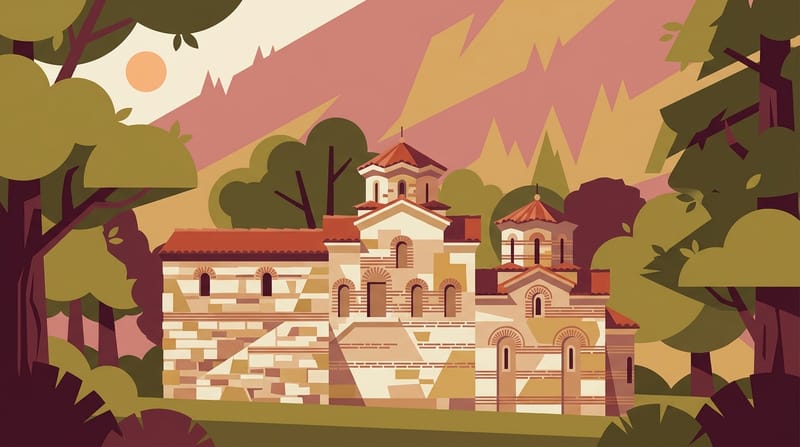
Boyana Church
A UNESCO site at the foot of Mt Vitosha, renowned for its remarkably preserved 13th-century pre-Renaissance frescoes.
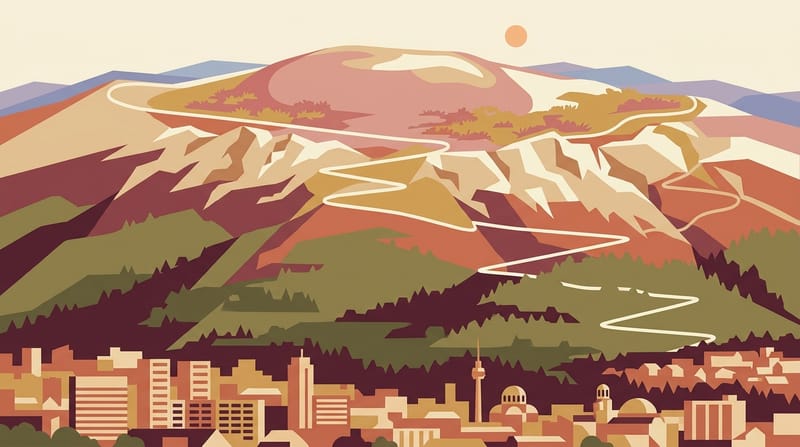
Mount Vitosha
A 2,290-metre mountain right beside the city, offering hiking trails in summer and skiing in winter.
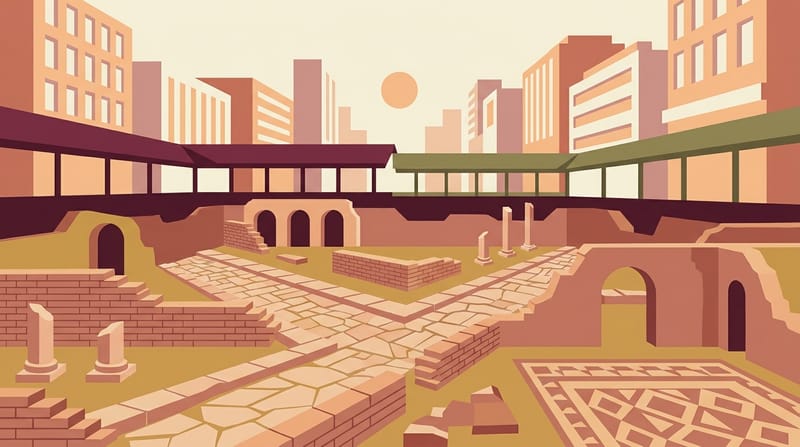
Ancient Serdika Complex
An open-air museum exposing Roman streets, walls, and buildings discovered during metro excavation.
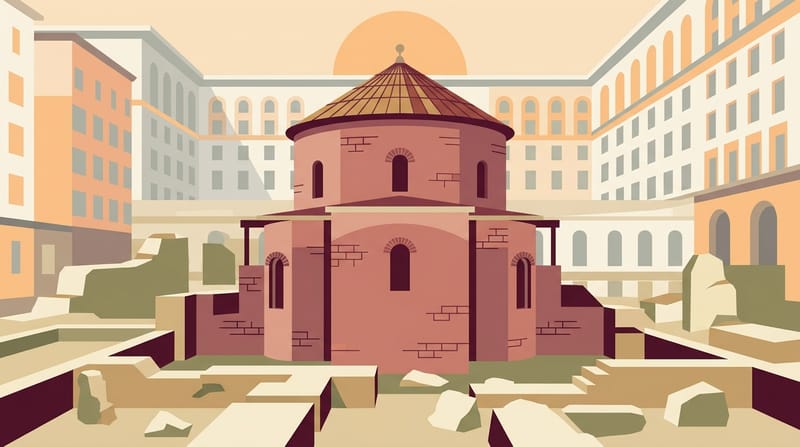
Church of St. George Rotunda
Tucked in the courtyard of the Presidency, this 4th-century brick rotunda is Sofia's oldest surviving structure.
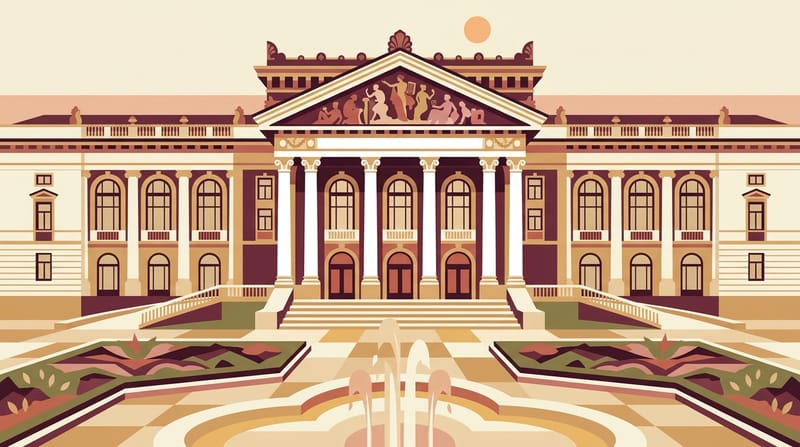
Ivan Vazov National Theatre
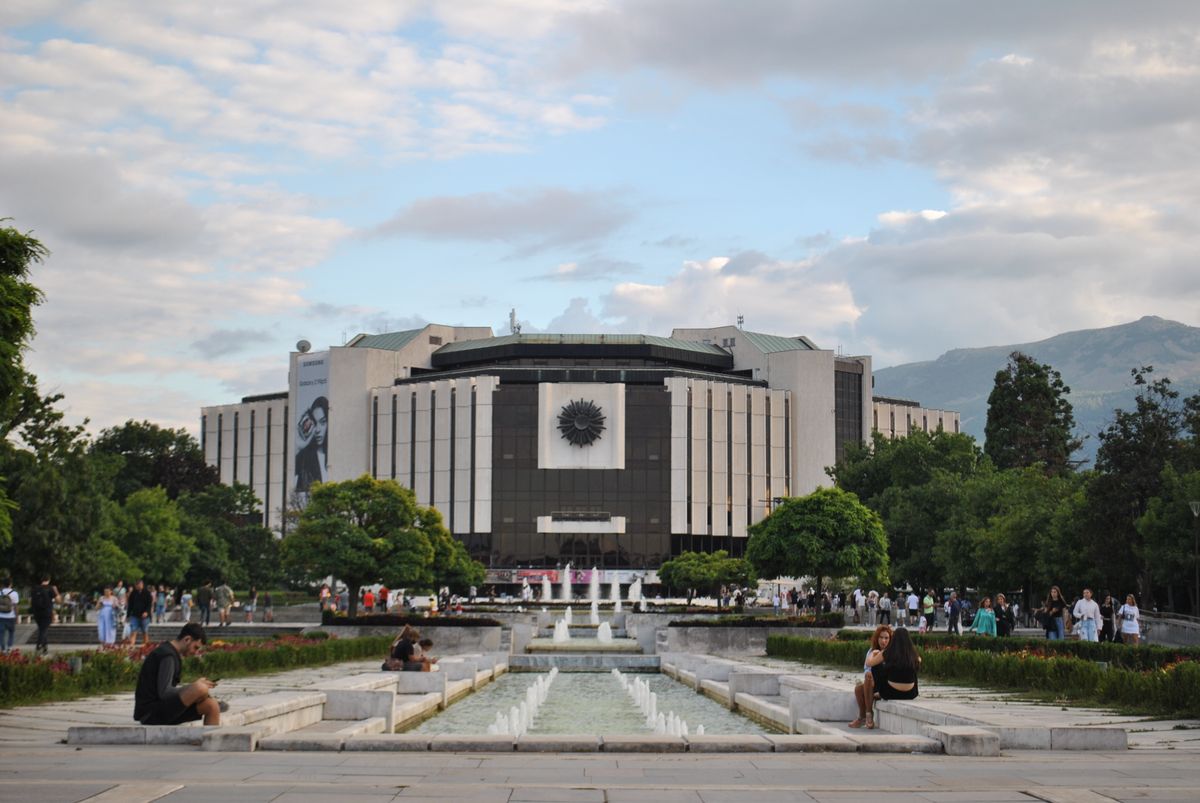
An iconic Neoclassical landmark facing a lively garden square with fountains.
What to eat in Sofia

Banitsa
Flaky pastry layered with sirene cheese.Bulgaria's staple breakfast; thin filo pastry baked with a rich mixture of eggs and salty white sirene cheese.

Shopska Salad
The Balkan nation's refreshing signature salad.Diced tomatoes, cucumbers, onions, and roasted peppers topped with a mountain of grated white sirene cheese.

Kavarma
Rich slow-cooked stew in a traditional clay pot.Pork or beef slow-cooked in a clay pot with onions, mushrooms, peppers, and savory herbs.

Tarator
Chilled cucumber and yogurt soup for hot days.A refreshing cold soup made with yogurt, water, diced cucumbers, garlic, dill, and crushed walnuts.
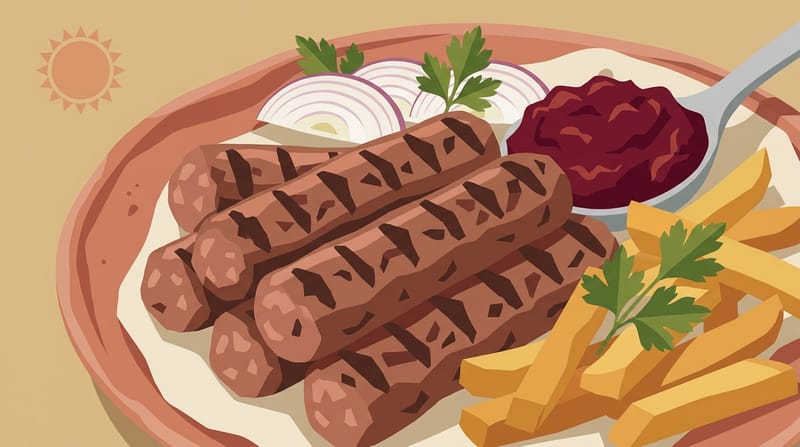
Kebapche
Grilled minced meat log seasoned with spices.Minced pork and beef seasoned with cumin and black pepper, shaped into long rolls and grilled over hot coals.
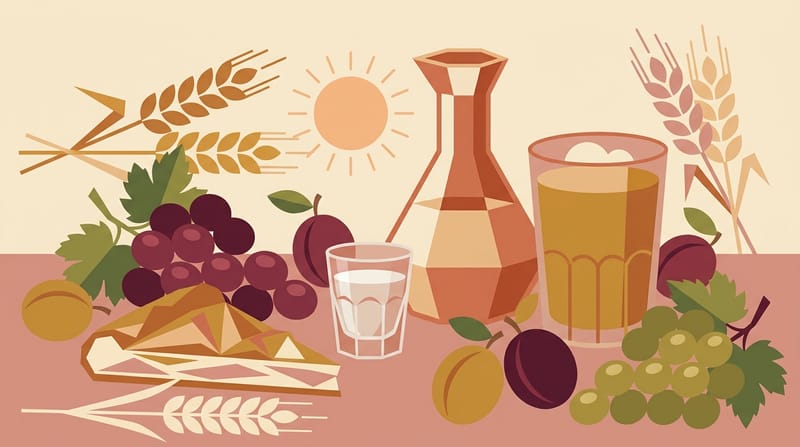
Rakia and Bulgarian Boza
Strong rakia for the evening, tangy boza for the morning.Rakia is a potent fruit brandy distilled from plums or grapes; boza is a fermented malt drink with a uniquely sour taste.
Where to stay
| Areas | Serdika and the historic centrePrice: High | Vitosha Boulevard and the NDK areaPrice: High | Oborishte and the Alexander Nevsky areaPrice: High | LozenetsPrice: Medium | Orlov Most and the Borisova Gradina areaPrice: Medium |
|---|---|---|---|---|---|
| Atmosphere | One of the most practical bases for first-time visitors. Serdika station is right in the city centre and serves as an interchange between M1/M4 and M2; the Largo, Sveta Nedelya and Vitosha Boulevard are within walking distance. | A balanced central option for travellers who want pedestrian life, easy restaurant and café access, and strong metro connections together. NDK station sits between Vitosha Boulevard and the National Palace of Culture. | A good choice for travellers who want a quieter, culture- and architecture-focused location without leaving the historic centre behind. Alexander Nevsky, the National Assembly and Tsar Osvoboditel are central to the area's walking routes. | A strong option for travellers who want to stay close to the centre in a more residential setting. European Union and James Bourchier stations are on M2 and provide quick access towards NDK and Vitosha Boulevard. | Offers a good balance for travellers who want to be close to parks, the stadium area and the eastern side of the centre. Orlov Most is on M3, while Vasil Levski Stadium lies on the M1/M4 corridor. |
| Best for | First-time visitorsTravellers who want to see the main historic sights on footTravellers who want easy metro access from the airport | Travellers who want to socialise on footTravellers who want to stay close to cafés and restaurantsTravellers who want to stay central while keeping good metro access | Travellers who want to stay close to culture and architectureTravellers who want to reach the centre on footTravellers who prefer an area that is less commercial than Vitosha Boulevard | Travellers who want a quieter stayLonger staysTravellers who want to remain connected to the centre by metro | Travellers who want to stay close to parksRunners and outdoor enthusiastsTravellers who want to stay on the eastern side of the centre |
| Accommodation profile | PriceHighNightlifeHighWalkabilityHigh | PriceHighNightlifeHighWalkabilityHigh | PriceHighNightlifeMediumWalkabilityHigh | PriceMediumNightlifeMediumWalkabilityMedium | PriceMediumNightlifeMediumWalkabilityHigh |
| Transport | Serdika: M1/M4Serdika II: M2Direct connection to the centre via M4 from Sofia Airport | National Palace of Culture: M2National Palace of Culture 2: M3Pedestrian connection toward Serdika via Vitosha Bulvarı | Connection via nearby central stations and surface transportOrlov Most and SU St. Kliment Ohridski stations can be used for the eastern/southern parts of the area | European Union: M2James Bourchier: M2Direct metro toward NDK | Orlov Most: M3Vasil Levski Stadium: M1/M4Metro and surface transport toward the centre |
| Advantages |
|
|
|
|
|
| Consider |
|
|
|
|
|
Planning notes.
Researched recommendations, practical information and route decisions.
- Head up Mount Vitosha: take bus 66 to Aleko; hike in summer and ski in winter.
- See the 13th-century frescoes of Boyana Church (UNESCO), 20 minutes from town.
- Join the Free Sofia Tour — the best way to read the city's layers.
- Avoid random taxis at the airport; use the official Yellow! taxi desks and ranks.
- Tourist restaurants on the busiest corners of Vitosha Boulevard.
- Shortcuts through parks late at night.
- Bulgarian head-shaking is reversed: side-to-side means yes, up-down means no!
- Bulgaria adopted the euro in January 2026, replacing the lev entirely; carry some cash euros.
- Sofia is one of the EU's cheapest capitals — ideal budget weekend.
Sofia map
What will it cost me?
Figures are per-person daily USD estimates compiled from BudgetYourTrip, Numbeo and recent traveller reports. Flight/ferry tickets not included.
✓ Prices are compiled from real traveller spending. · Last updated: Aug 2026
How many days?
Choose the best route for your schedule.
What to know before you go.
Tourist traps, SIM, money, taxis, safety, health, transit and language — the city in eight answers.
112 — the free EU-wide emergency number for police, ambulance or fire services.
Using Sofia only as a transit stop — half a day at Vitosha and Boyana Church changes the whole story.
scamThe centre is safe; avoid park shortcuts north of Lions Bridge at night.
safetyTap water is safe and good quality; you can also use the free natural thermal mineral fountains in the city centre. Dial 112 for emergencies.
healthTap your contactless credit/debit card on metro gates and buses for single tickets (0.80 EUR). Tap 3 or more times a day and it automatically caps at a daily pass rate (2 EUR).
cardBlagodarya (Thank you), Dobar den (Good day), and Da/Ne (Yes/No) are essential. Remember: nodding means 'no' and shaking your head means 'yes'!
languageSofia: weather and crowds by month
🎒 What to pack
- ✔ Walking shoes
- ✔ Power adapter
- ✔ Jacket
- ✔ Layers
- ✔ Gloves & beanie
FLIGHTS
Airport to city
Metro M4 – Sofia AirportSerdika / city centre
According to the official Sofia Airport website, the journey from the airport to the city centre takes about 18 minutes.
Best for: Travellers who want a fast ride to the centre without road traffic and easy transfers to other metro lines via Serdika.
Limitations: The station is next to Terminal 2; Terminal 1 passengers must use the free inter-terminal shuttle. The official airport website lists metro service at approximately 05:30–00:00.
↗ Official sourceBus 84Gen. Gurko St. / city centre
According to the official airport website, the trip between the first and last stop takes about 45 minutes on weekdays and about 35 minutes on weekends.
Best for: Travellers who want a surface-transport option to the city centre without using the metro.
Limitations: Travel time depends on road traffic; check the current Urban Mobility Centre timetable for exact first and last departure times.
↗ Official sourceNight Bus N4Terminal 2 – central Sofia – Gotse Delchev/Druzhba 2 corridor
The official airport website does not publish an exact total journey time.
Best for: Night transport outside the normal operating hours of the metro and daytime routes.
Limitations: Only Terminal 2 service is highlighted. Between 21 June and 20 December 2026, a temporary route change applies on part of the line due to Slatina metro construction.
↗ Official sourceSofia: frequently asked questions
How do you get from Sofia Airport to the city centre by metro?
How can you make a day trip from central Sofia to Vitosha Mountain?
Why is Boyana Church in Sofia special, and can it be combined with Vitosha Mountain?
Where are Sofia’s Ancient Serdica ruins, and how do you visit them?
Can you visit Alexander Nevsky Cathedral and its icon crypt on the same trip?

Nearby routes