Dubrovnik Travel Guide
A stone fairytale wrapped in walls by the Adriatic
Last updated: 2026-09-05
The city's 24-hour rhythm.
Turn the dial to any hour and it tells you where you should be.
Market's final hours
Open Monday to Saturday from 06:00 to 13:00, Gruž Market starts winding down around noon. Its fruit, vegetable and fish stalls show a more everyday side of Dubrovnik than the tourist centre.
Dubrovnik: places to visit
Dubrovnik City Walls
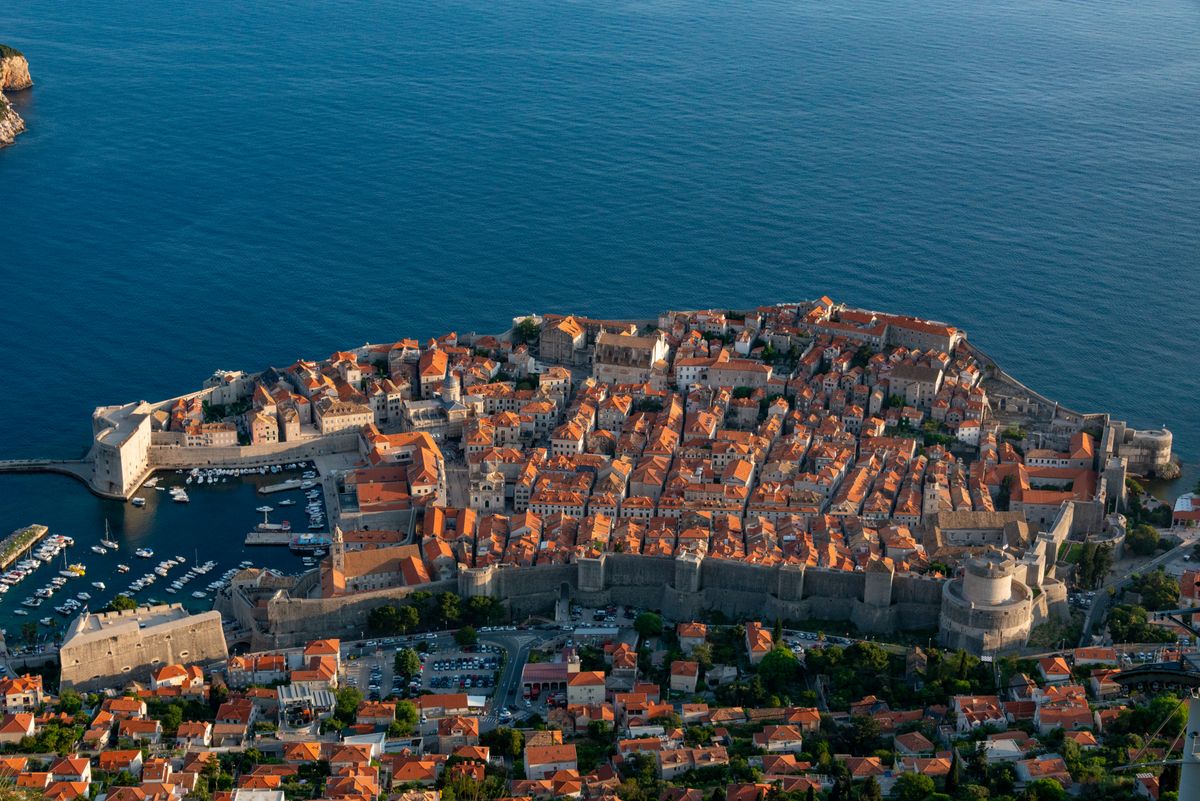
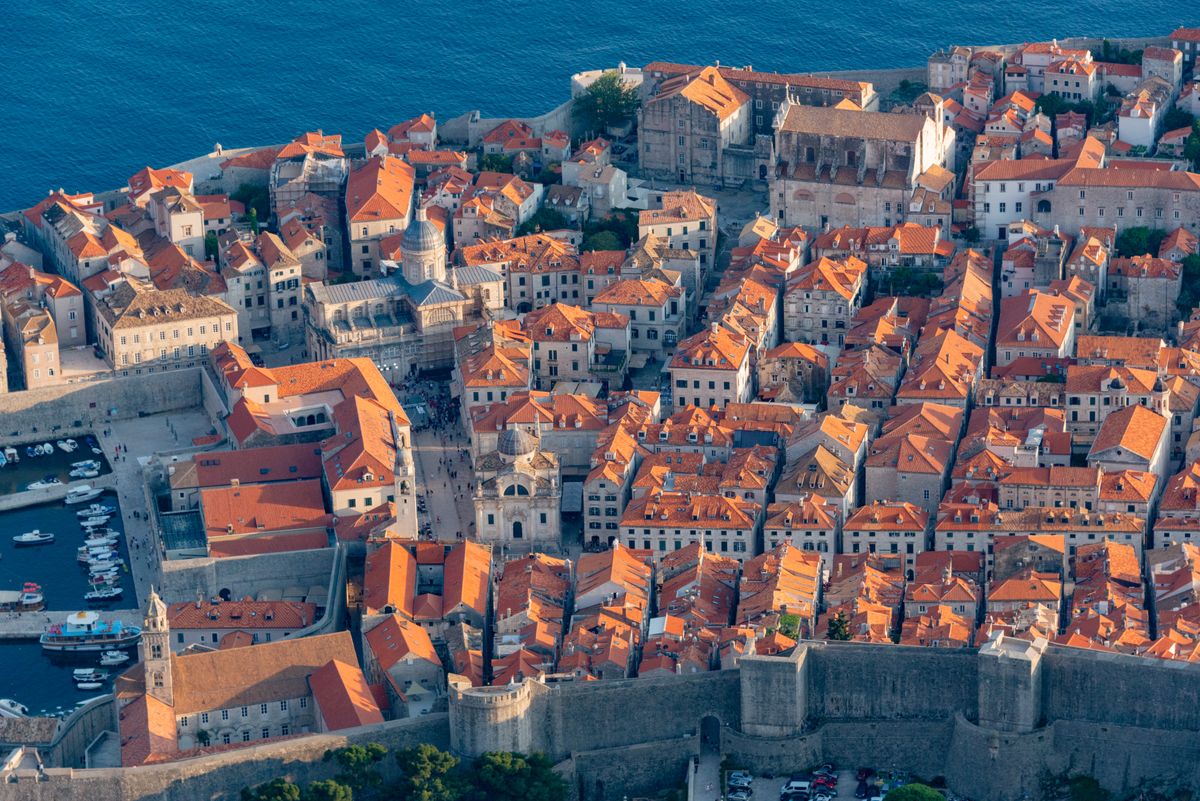
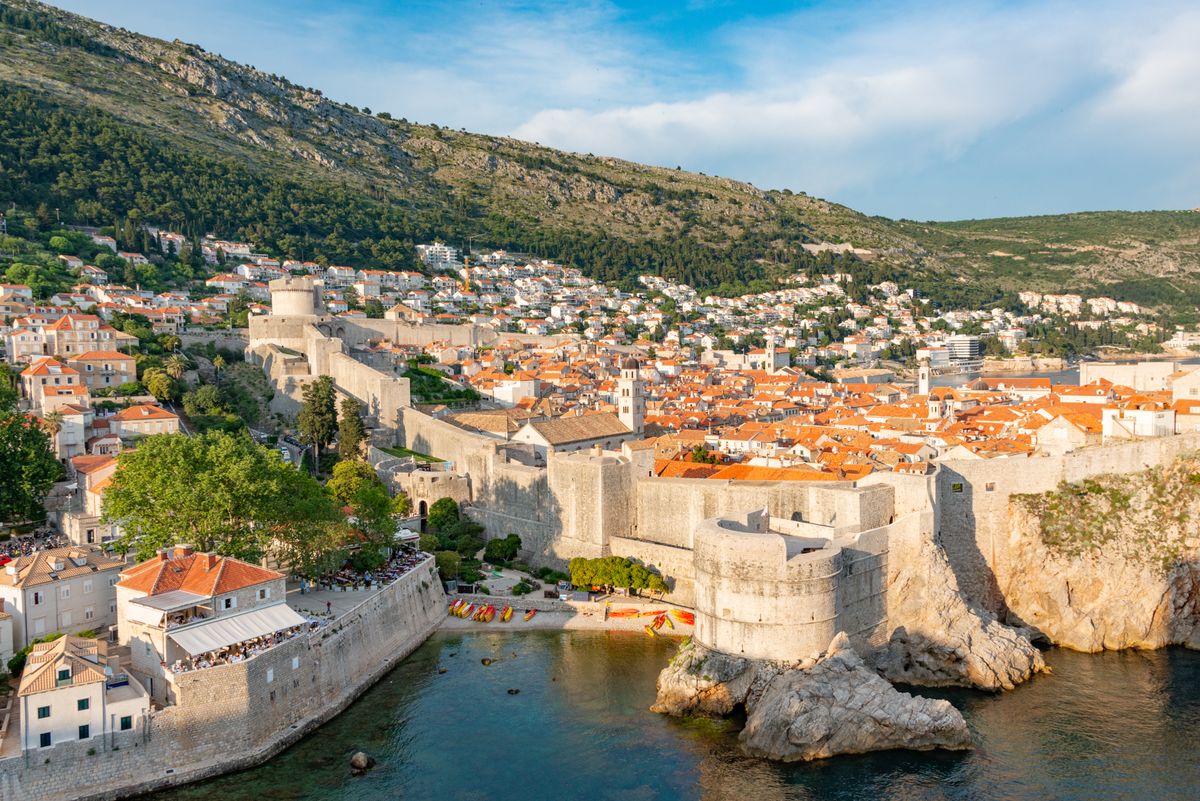
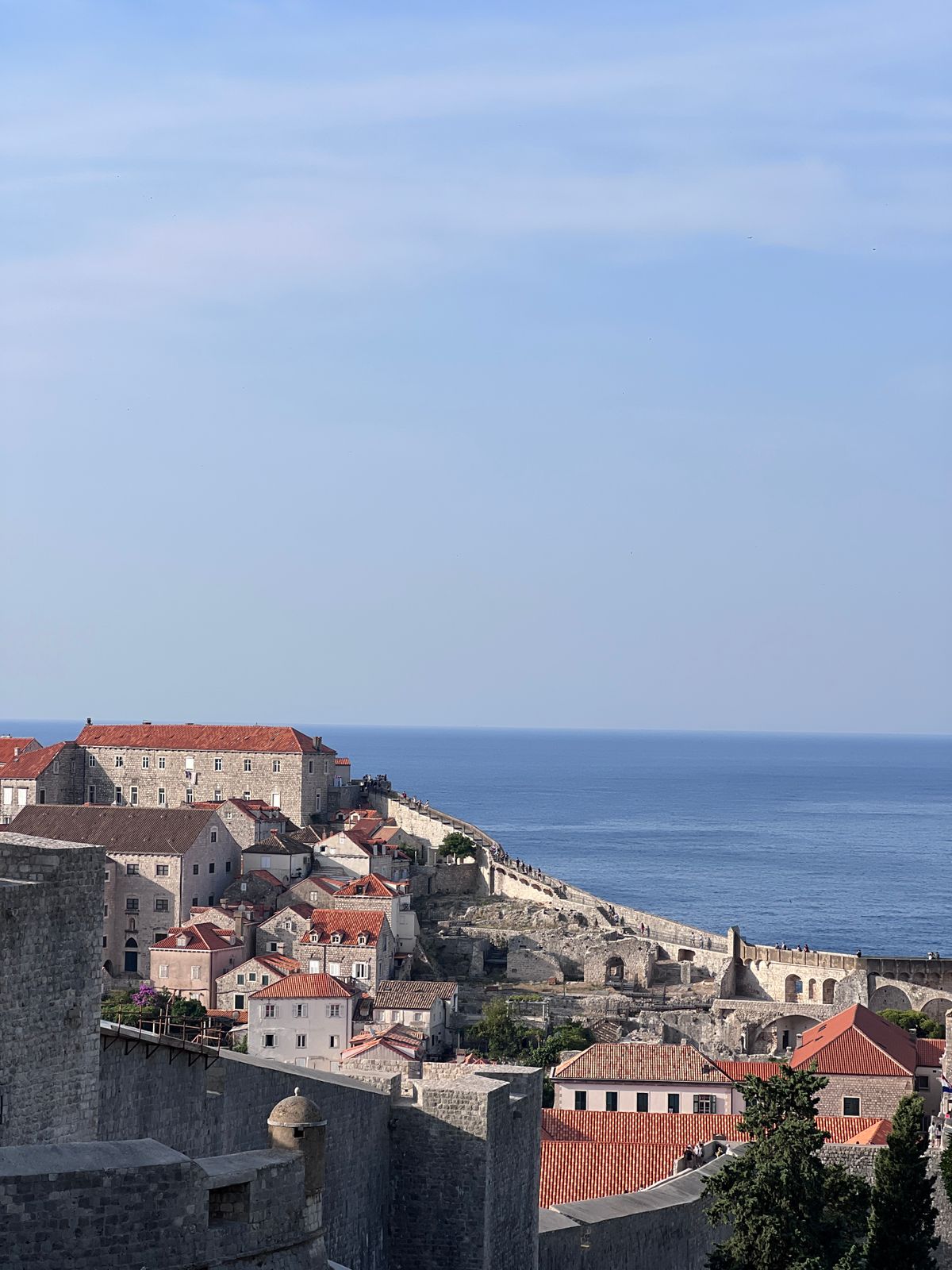
Encircling the Old Town for almost 2 km, the walls deliver Dubrovnik’s finest views over terracotta roofs and the Adriatic. In summer, an early start is cooler and far less crowded.
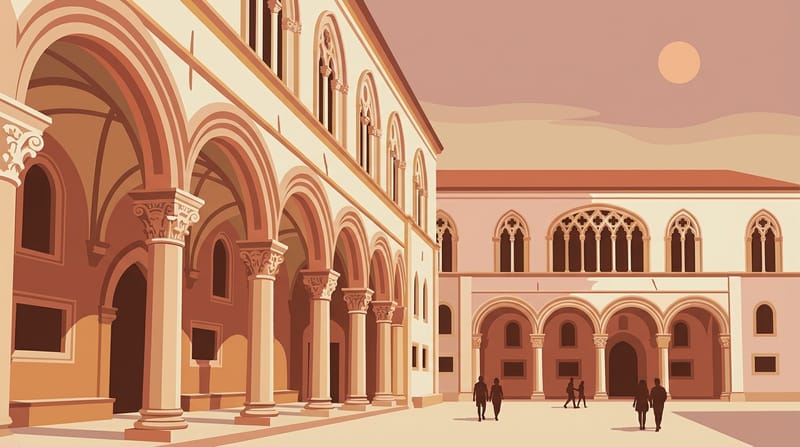
Rector's Palace
Once the seat of government of the Republic of Ragusa, this Gothic-Renaissance palace now houses the Cultural History Museum. State rooms, portraits, period furniture and coins bring Dubrovnik’s republican era to life.
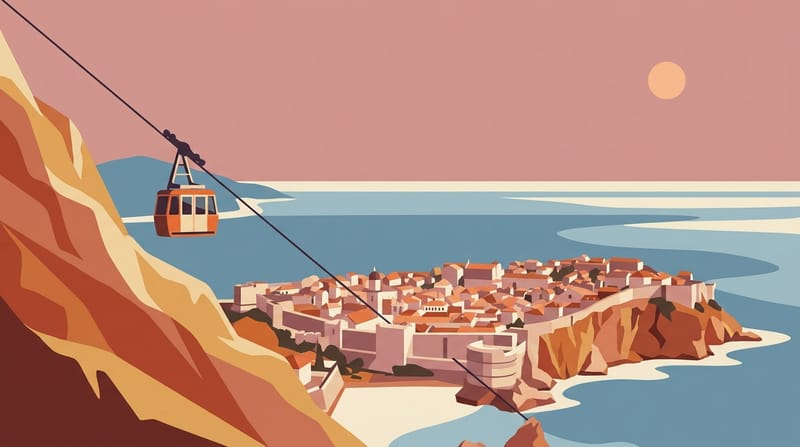
Mount Srđ and Cable Car
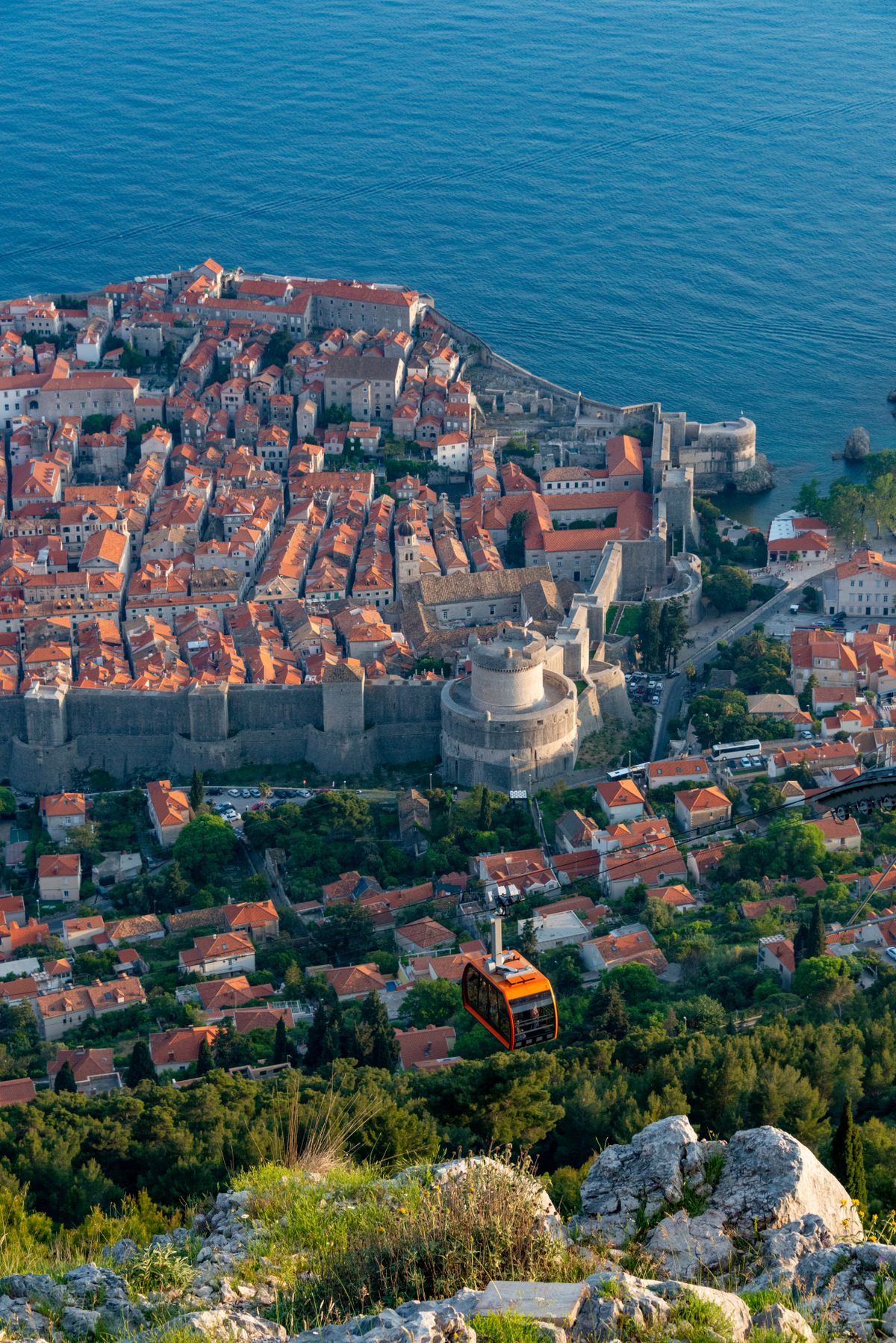
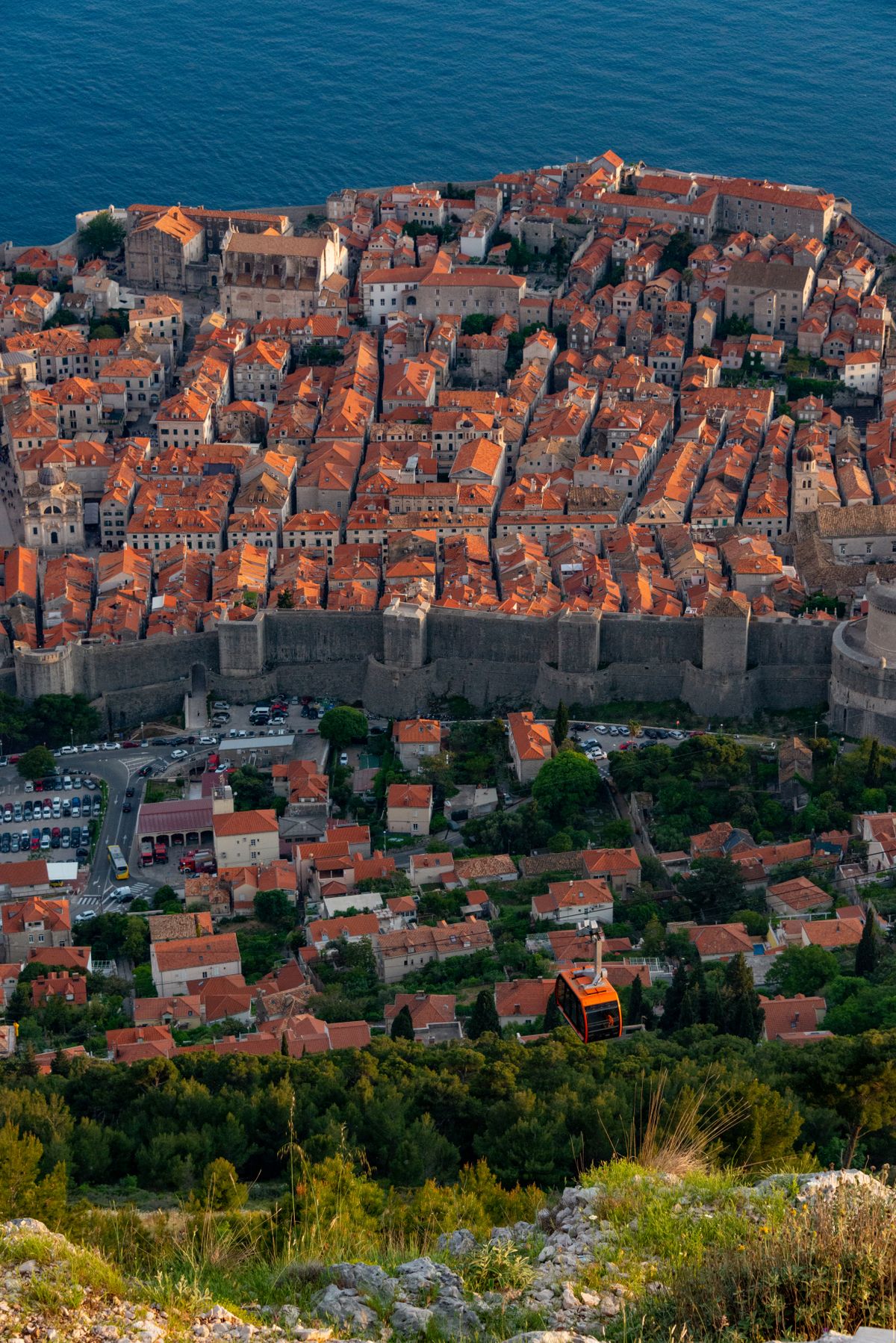
The cable car reaches the top of Srđ in just a few minutes, opening up a wide panorama over the Old Town, Lokrum and the Adriatic. Sunset is spectacular, but queues can build around that time.

Lokrum Island
A short boat ride from the Old Port leads to this protected island of pine-shaded paths, Benedictine ruins, botanical gardens, the small saltwater Dead Sea lake and rocky swimming coves. It is ideal for a half-day escape.
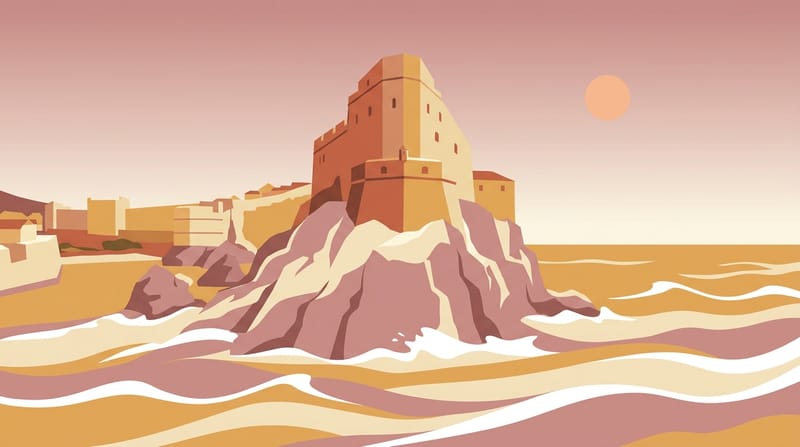
Fort Lovrjenac
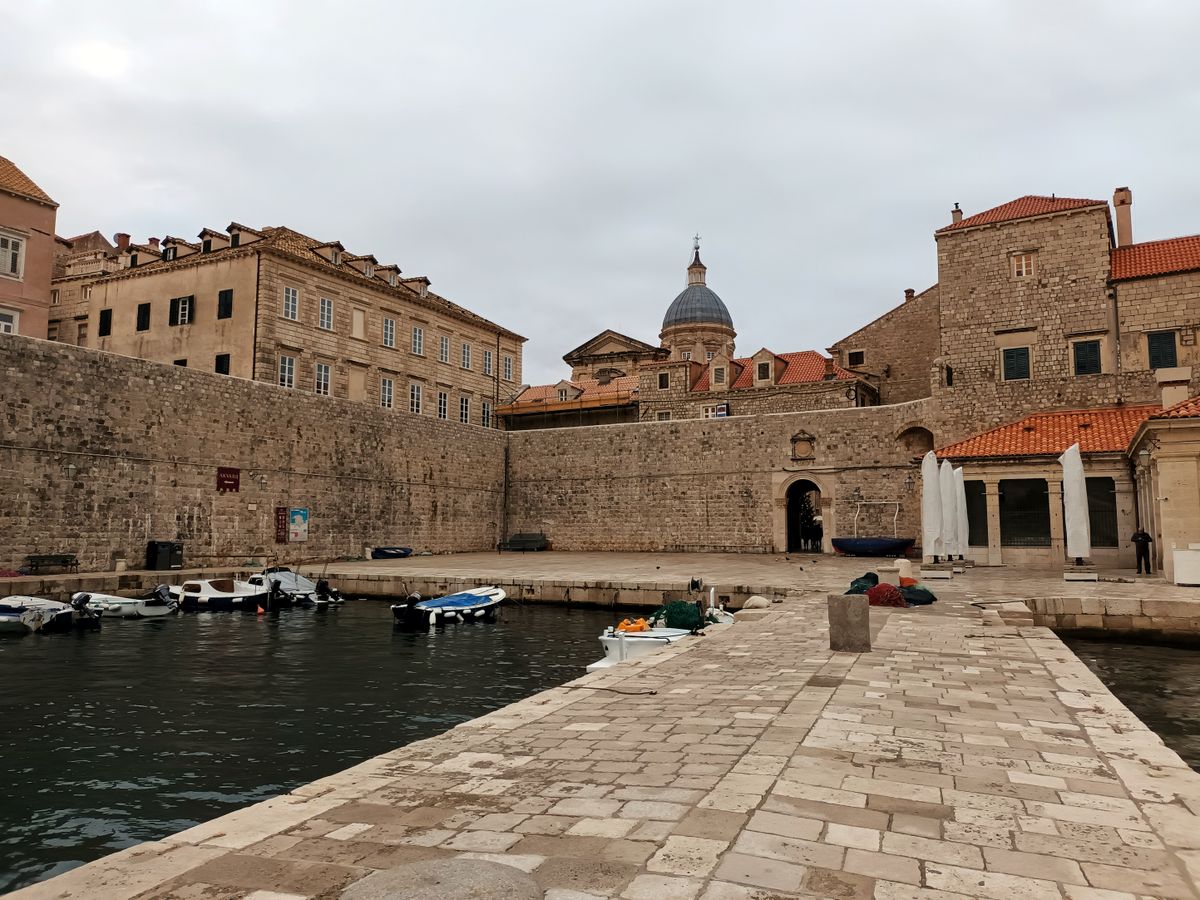
Set on a 37 m rock outside Pile Gate, this stand-alone fortress commands striking views over the West Harbour and the walled Old Town. The stair climb is steep, so comfortable shoes are a good idea.
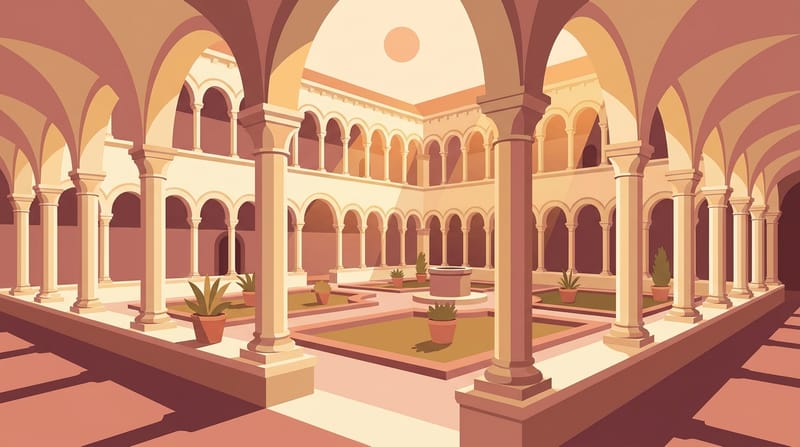
Franciscan Monastery and Old Pharmacy
Just off the start of Stradun, the monastery stands out for its elegant Romanesque-Gothic cloister and a pharmacy founded in 1317 that still operates today. The museum displays historic pharmacy tools, manuscripts and religious art.
What to eat in Dubrovnik

Šporki Makaruli (Dubrovnik Meat-Sauce Pasta)
A rich, spiced Dubrovnik classic born from festive tables.One of Dubrovnik’s most distinctive dishes, it pairs macaroni with a slow-cooked beef sauce. It is closely associated with the Feast of Saint Blaise, and the word “šporki” refers to the pasta being “dirtied” by the sauce.

Zelena Menestra (Dubrovnik Green Stew)
Greens, cured meat and potatoes simmered into a hearty winter staple.Collard greens, cabbage and Savoy cabbage cook with potatoes, cured meats and homemade sausage. This dense, comforting stew has been part of winter and festive tables across the Dubrovnik region for centuries.
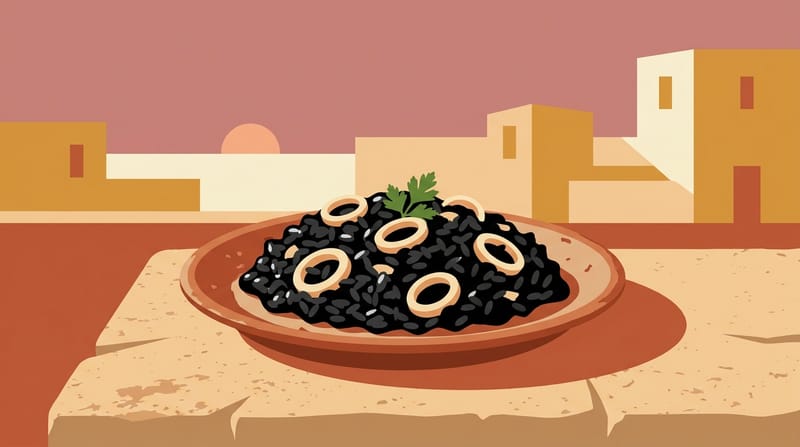
Crni Rižot (Black Risotto)
An Adriatic classic coloured and flavoured with cuttlefish ink.Cuttlefish or squid ink gives the risotto its deep black colour and unmistakably briny flavour. In Dubrovnik, it is one of the best-known Dalmatian dishes for anyone who loves seafood.
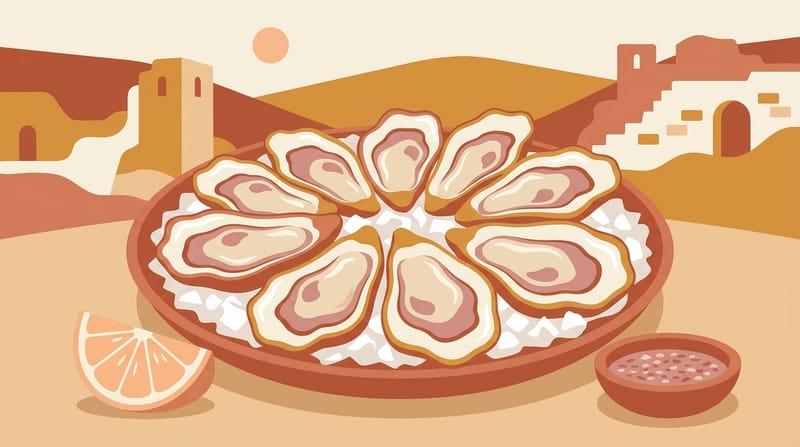
Fresh Mali Ston Oysters
A clean, saline taste straight from Mali Ston Bay.These oysters are farmed in Mali Ston Bay in the Dubrovnik region and are best eaten freshly opened with just a little lemon. They are especially full and prized in March, and fresh examples are also served in Dubrovnik’s Old Town.

Rozata
Dubrovnik’s elegant caramel custard scented with rose liqueur.One of Dubrovnik’s signature desserts, rozata is a silky custard made with milk, eggs, sugar and the traditional rose liqueur rozolin. It is served chilled, with caramel and a light citrus note balancing the sweetness.

Malvasija Dubrovačka Wine
A local white wine with roots reaching back to the Republic of Ragusa.Malvasija Dubrovačka was recorded as early as 1424 and is grown mainly in Konavle. It can be dry, semi-dry or sweet, and its lively aromatic character is an important part of the Dubrovnik region’s wine identity.
Where to stay
| Areas | Old Town (Stari Grad)Price: High | PločePrice: High | LapadPrice: Medium | Babin KukPrice: High | GružPrice: Low |
|---|---|---|---|---|---|
| Atmosphere | The strongest location for first-time visitors and short, history-focused stays. Stradun, the city walls, museums and major historic landmarks are on your doorstep; the trade-off is no vehicle access, heavy summer crowds and accommodation that tends to be expensive by Dubrovnik standards. | A strong choice for travellers who want to stay very close to the Old Town while also having sea views and beach access. Ploče Gate opens directly into the historic centre, while the Banje and Sveti Jakov side offers a beach advantage. Some parts of the neighbourhood are steep and have many steps. | One of the safest all-round choices for travellers seeking a balance of beach access, walking, restaurants and bus connections to the city centre. The pedestrian promenade and beaches around Lapad Bay make day-to-day stays easy; the Old Town is not on the doorstep, but frequent city buses make access straightforward. | The best fit for travellers who put resort-style holidays, pools, beaches and family facilities ahead of being close to the Old Town. Large hotels and the Copacabana area sit on the green peninsula; the historic-centre atmosphere is farther away, but line 6 runs regularly between Babin Kuk and Pile. | A practical base for travellers who prioritise ferries, the main bus terminal and a more local day-to-day setting. It is especially convenient for Elafiti and other island connections; the Old Town is about 4 km away. Compared with Dubrovnik's tourist core, there is a better chance of finding stronger value for accommodation. |
| Best for | First-time visitorsHistory and cultureShort staysTravellers who want to walk everywhere | ViewsCouplesBeach and Old Town balancePremium accommodation | FamiliesLonger staysBeachBalance of walking and restaurants | FamiliesResort holidaysBeach and poolQuieter surroundings | Island tripsBus and ferry connectionsLonger staysRelatively budget-friendly stays |
| Accommodation profile | PriceHighNightlifeHighWalkabilityHigh | PriceHighNightlifeMediumWalkabilityMedium | PriceMediumNightlifeMediumWalkabilityHigh | PriceHighNightlifeLowWalkabilityMedium | PriceLowNightlifeLowWalkabilityMedium |
| Transport | Pile and Ploče Gates are the main approach points for city buses and taxisMost accommodation locations within the city can reach Pile or Ploče Gate on foot | Ploče Gate is the eastern entrance to the Old TownThe Platanus airport shuttle stops at Ploče Gate on the way into the city | The Libertas city network connects Lapad with the Pile directionThe official tourism source notes frequent bus links and nearby stops for hotels in Lapad | Libertas line 6 runs regularly between Babin Kuk and PileLine 7 connects Babin Kuk towards Kantafig | The official tourism source gives the distance between Gruž Port and the Old Town as 4 kmLines 1A, 1B, 3 and 8 connect towards the Old Town; the official source states an approximate bus journey of 10 minutesThe Platanus airport shuttle terminates at Gruž Main Bus Station |
| Advantages |
|
|
|
|
|
| Consider |
|
|
|
|
|
Planning notes.
Researched recommendations, practical information and route decisions.
- Walk the city walls close to opening time; Minčeta, Bokar, the red roofs and the Adriatic views make this Dubrovnik’s essential experience.
- See Stradun both by day and after dark; once the crowds thin, the side streets, squares and stone façades take on a completely different mood.
- Take the boat from the Old Port to Lokrum; forest paths, rocky shores and a swim provide the perfect counterpoint to the busy Old Town.
- Avoid walking the walls at midday in July and August; there is very little shade and the stone makes the heat feel even stronger.
- Do not assume you can drive a rental car right up to the Old Town gates in high season; vehicle access around the historic core can be restricted.
- Do not book accommodation inside the Old Town without checking the stairs first; a short distance on the map can become a tiring climb with a large suitcase.
- If you plan to walk the walls, compare the Dubrovnik Pass first; the official pass combines the walls, city museums and public transport.
- Buying a city bus ticket on board costs more. Compare the one hour ticket sold in advance with the price of a single ride bought from the driver.
- Boats to Lokrum may stop in bad weather. Check the day’s schedule and the final return before you leave, and do not rely on catching the very last boat.
Dubrovnik map
What will it cost me?
Figures are per-person daily USD estimates compiled from BudgetYourTrip, Numbeo and recent traveller reports. Flight/ferry tickets not included.
✓ Budget figures are planning estimates based on current 2026 prices. Accommodation, restaurants, boats and seasonal fares can change by date, so recheck prices on the day you book or pay. · Last updated: Aug 2026
How many days?
Choose the best route for your schedule.
What to know before you go.
Tourist traps, SIM, money, taxis, safety, health, transit and language — the city in eight answers.
In the Old Town, especially around Stradun and the harbour, do not sit down at the first place you see. Check menu prices, portion sizes and whether seafood is priced per item or by weight; better value is often just a few streets away.
scamDubrovnik is generally safe, and Croatia is rated at the normal-precautions level in 2026. Still, keep an eye on your phone and wallet in the Old Town, at bus stops and in crowded tourist areas.
safetyTap water is safe to drink; Dubrovnik's water utility reconfirmed its safety in August 2026 analyses. In summer the stone streets heat up quickly, so carry water, use sun protection and slow down around midday.
healthOn Libertas city buses, a 1-hour ticket costs €1.73 and a 24-hour ticket €5.31; a single ride bought on board costs €2.50. Dubrovnik Pass also includes public-transport benefits according to its validity period, and on busy days taking the bus to Pile is easier than driving.
cardCroatian is the official language, while English is widely used in tourist areas. “Dobar dan” means hello/good day, “hvala” means thank you, and “molim” means please/you're welcome; a few Croatian words are always appreciated.
languageDubrovnik: weather and crowds by month
🎒 What to pack
- ✔ Walking shoes
- ✔ Power adapter
- ✔ Jacket
- ✔ Layers
- ✔ Umbrella
FLIGHTS
Airport to city
Platanus Airport ShuttlePloče Gate (Old Town) and Gruž Main Bus Station
About 30 minutes to Ploče Gate and about 35 minutes to Gruž; traffic can increase journey times.
Best for: First-time visitors, travellers staying in the Old Town/Ploče or Gruž, and those who want a fixed price.
Limitations: Departures are tied to flight arrivals and times can be approximate. It does not provide door-to-door service to accommodation inside the Old Town; you need to walk from Ploče.
↗ Official sourceLibertas line 11Dubrovnik ↔ Zračna luka stop ↔ Molunat route
The current Libertas route page does not publish a separate journey time for the airport-Dubrovnik segment.
Best for: Travellers whose schedule matches the route timetable, who want the lowest-cost public transport option and are not in a hurry.
Limitations: Services are far less frequent than the shuttle; the current page states that the line does not operate on Sundays and public holidays. It is not synchronised with flight times.
↗ Official sourceAirport taxiYour accommodation address in Dubrovnik or the nearest point accessible by vehicle
The current official source does not publish a fixed travel time to the city centre; journey time varies with traffic and the exact destination.
Best for: Heavy luggage, small groups, late-night arrivals or travellers who need to be dropped as close to the door as possible.
Limitations: The Old Town is pedestrian-only; vehicles cannot enter inside the walls. Seasonal vehicle-access restrictions also apply around the historic centre.
↗ Official sourceDubrovnik: frequently asked questions
For Dubrovnik’s City Walls, should I buy a separate ticket or a Dubrovnik Pass?
How do I get from Dubrovnik Airport to the Old Town if vehicles cannot enter the historic core?
How do I visit Lokrum Island from Dubrovnik, and what should I know about the last boat back?
Where can I see Dubrovnik’s main Game of Thrones filming locations without joining a tour?
Is it better to take the Dubrovnik Cable Car or walk up Mount Srđ for the view?
Nearby routes