Split Travel Guide
An Adriatic city still living inside a Roman palace
Last updated: 2026-09-07
The city's 24-hour rhythm.
Turn the dial to any hour and it tells you where you should be.
The palace picks up pace
Passages and squares grow busier toward midday; arrive earlier if you want to see the stone lanes at their calmest.
Split: places to visit
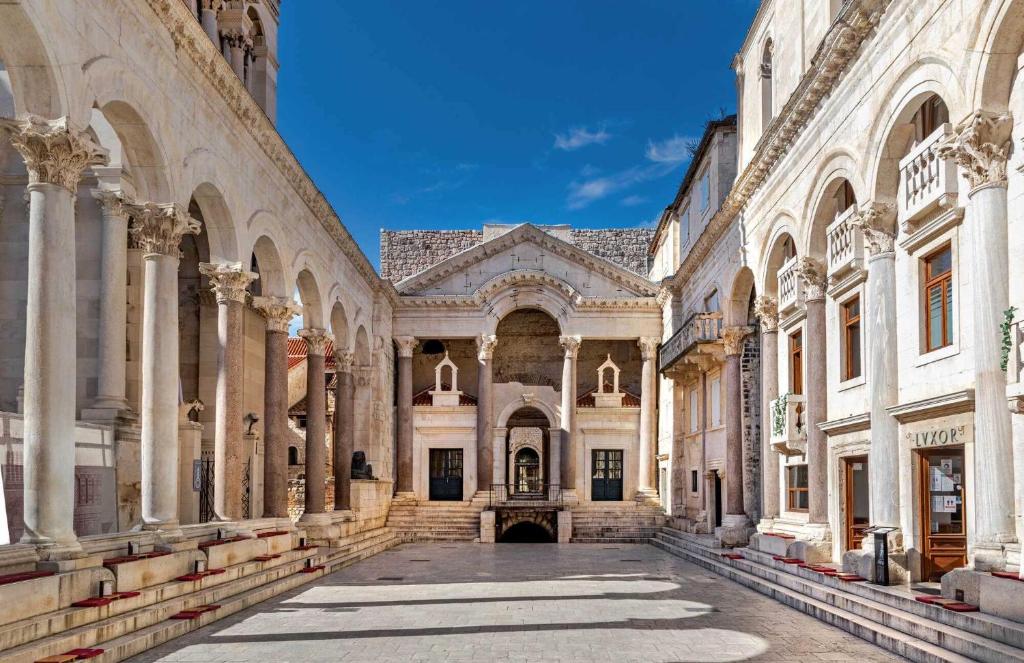
Diocletian's Palace and Cellars
The Roman palace walls still form part of living city streets. The Peristyle, Vestibule and gates are free to wander, while the exceptionally preserved cellars give the clearest sense of the imperial floor plan above.

Cathedral of Saint Domnius and Bell Tower
Diocletian’s mausoleum became a cathedral in the 7th century, bringing Split’s Roman and Christian layers into one building. The bell-tower climb delivers one of the strongest central views over the Peristyle and harbour.

Riva Promenade
Running along the palace’s southern façade, palm-lined Riva works like Split’s outdoor living room. From morning coffee to the evening stroll, it is one of the easiest places to watch the city’s everyday rhythm.
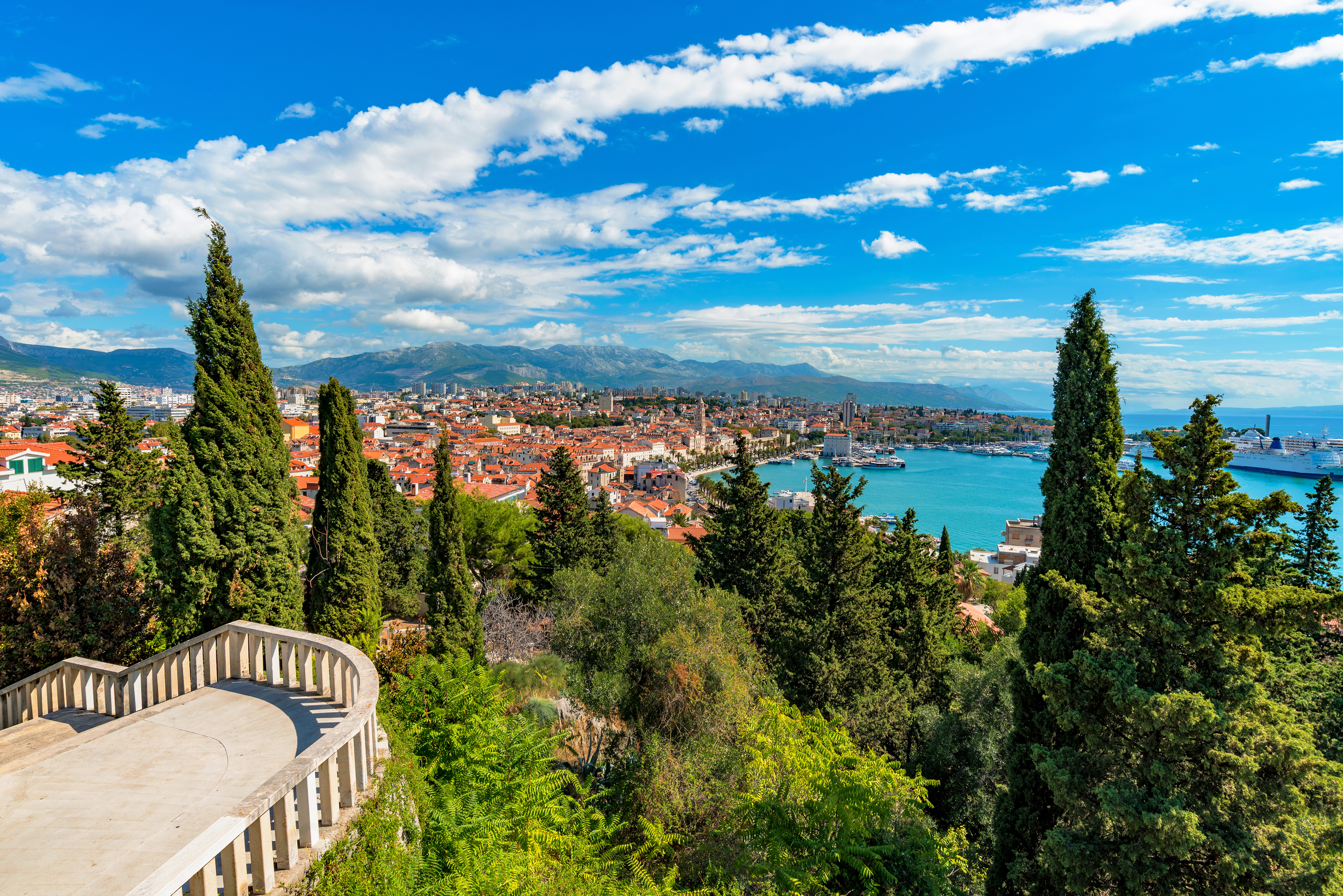
Marjan Forest Park
The pine-covered peninsula immediately west of the old centre is Split’s natural escape within the city. Walk up through Veli Varoš to the first viewpoint, then continue on longer routes past small churches and coastal views.

Bačvice Beach
This shallow sandy bay close to the centre is more than a swimming spot; it is part of Split’s identity. Visit in the afternoon and you may see locals playing picigin in the shallows, turning the beach into something more than a simple swim stop.

Meštrović Gallery
Ivan Meštrović’s self-designed villa displays his sculpture alongside gardens, terraces and Adriatic views. It is a strong cultural stop for seeing a different side of Split and meeting one of Croatia’s most important sculptors.
What to eat in Split

Pašticada
Dalmatia’s slow-braised classic, served with gnocchiBeef is marinated with vinegar and wine, then braised for hours with prunes, spices and root vegetables before being served over homemade gnocchi in a dark, gently sweet-sour sauce. In Dalmatia it is closely tied to weddings and family celebrations rather than everyday stew.
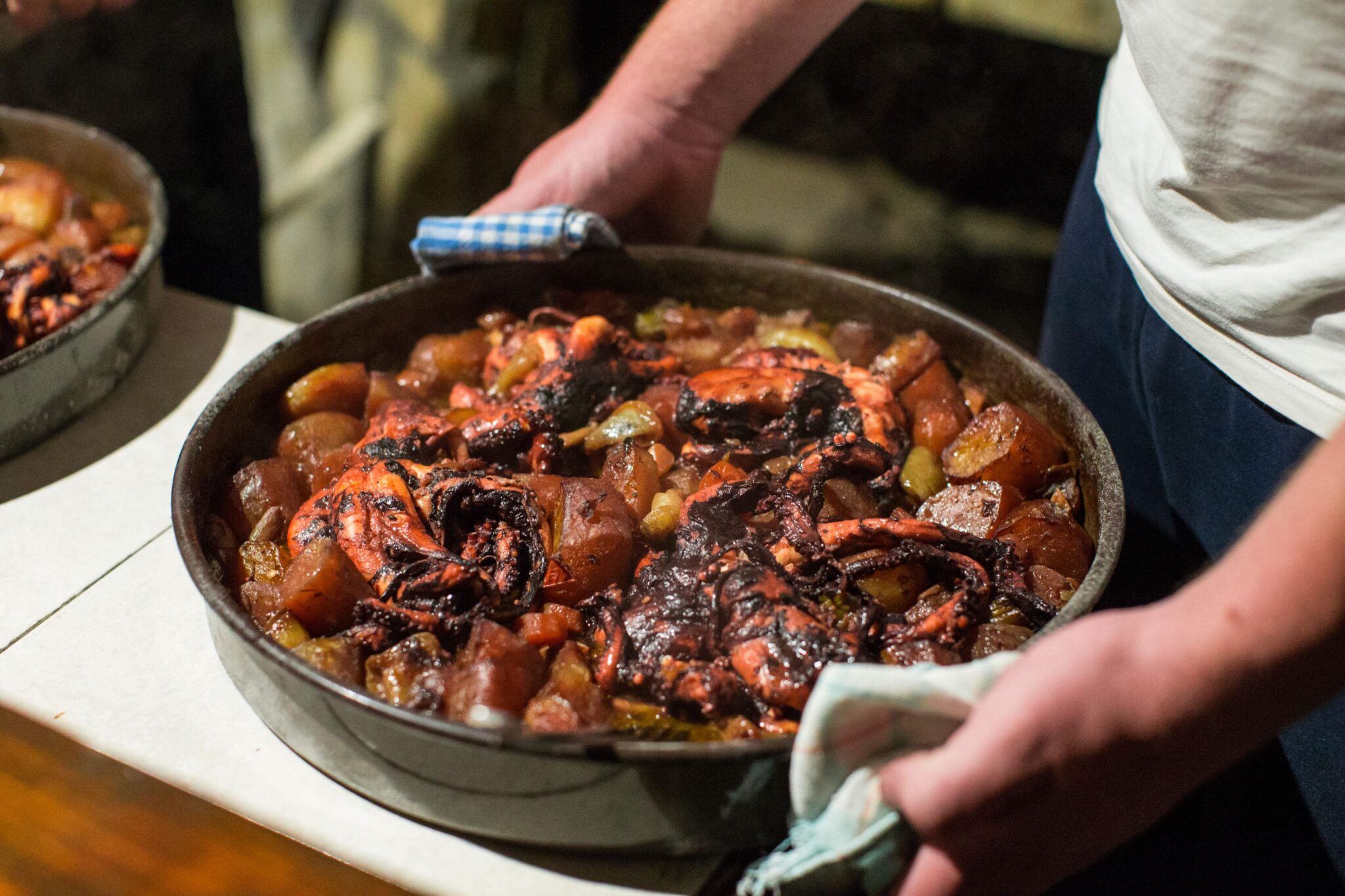
Peka
A slow-roasted dish made for sharingPeka is a cooking method rather than one fixed recipe: octopus, veal or lamb cooks slowly with potatoes and vegetables beneath a heavy metal bell surrounded by embers. Because it takes time, traditional konobas often require it to be ordered in advance.
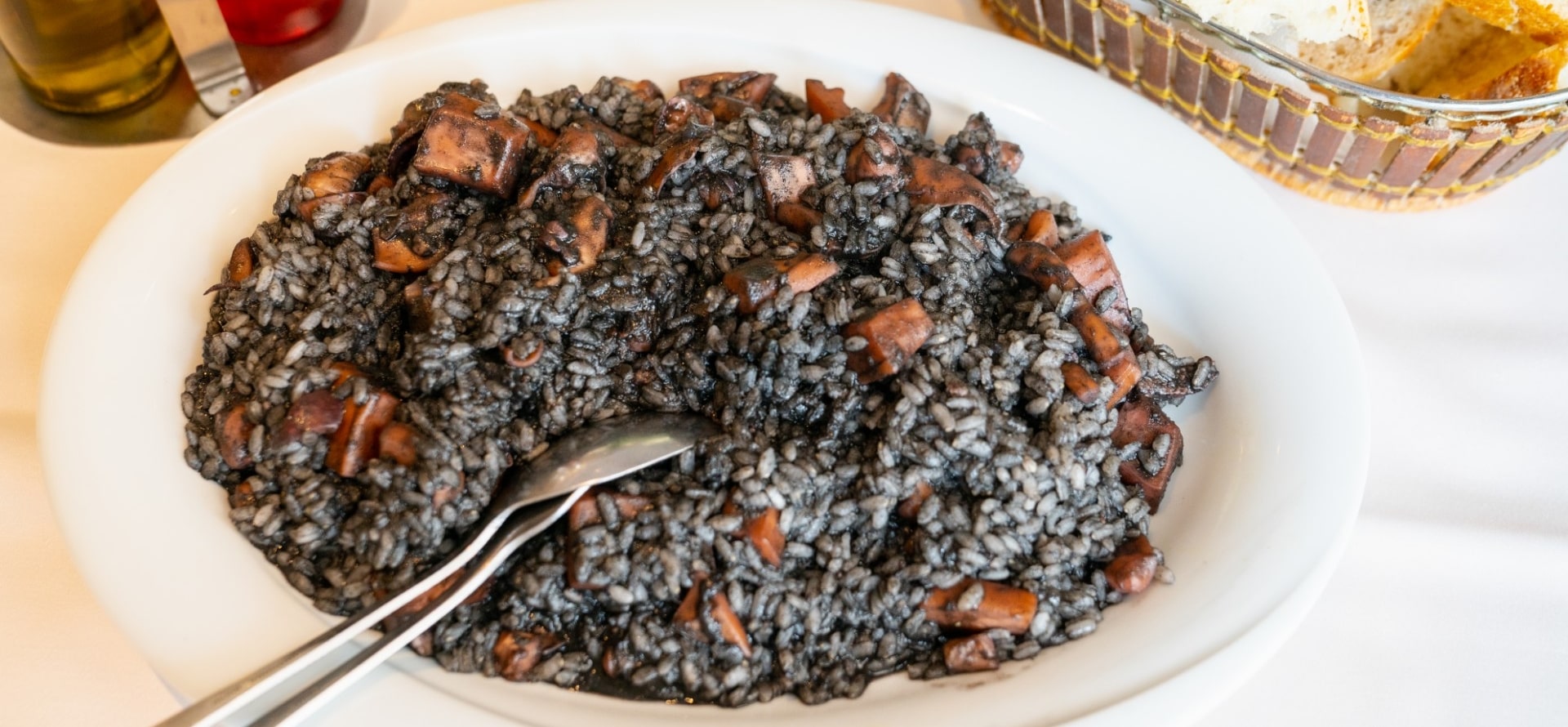
Black Risotto
Adriatic risotto coloured by cuttlefish inkRice is cooked to a creamy texture with cuttlefish and its ink, usually alongside garlic, wine and olive oil. The briny flavour is pronounced and the black colour is part of the dish itself, not decoration; temporary dark staining of the teeth is normal.
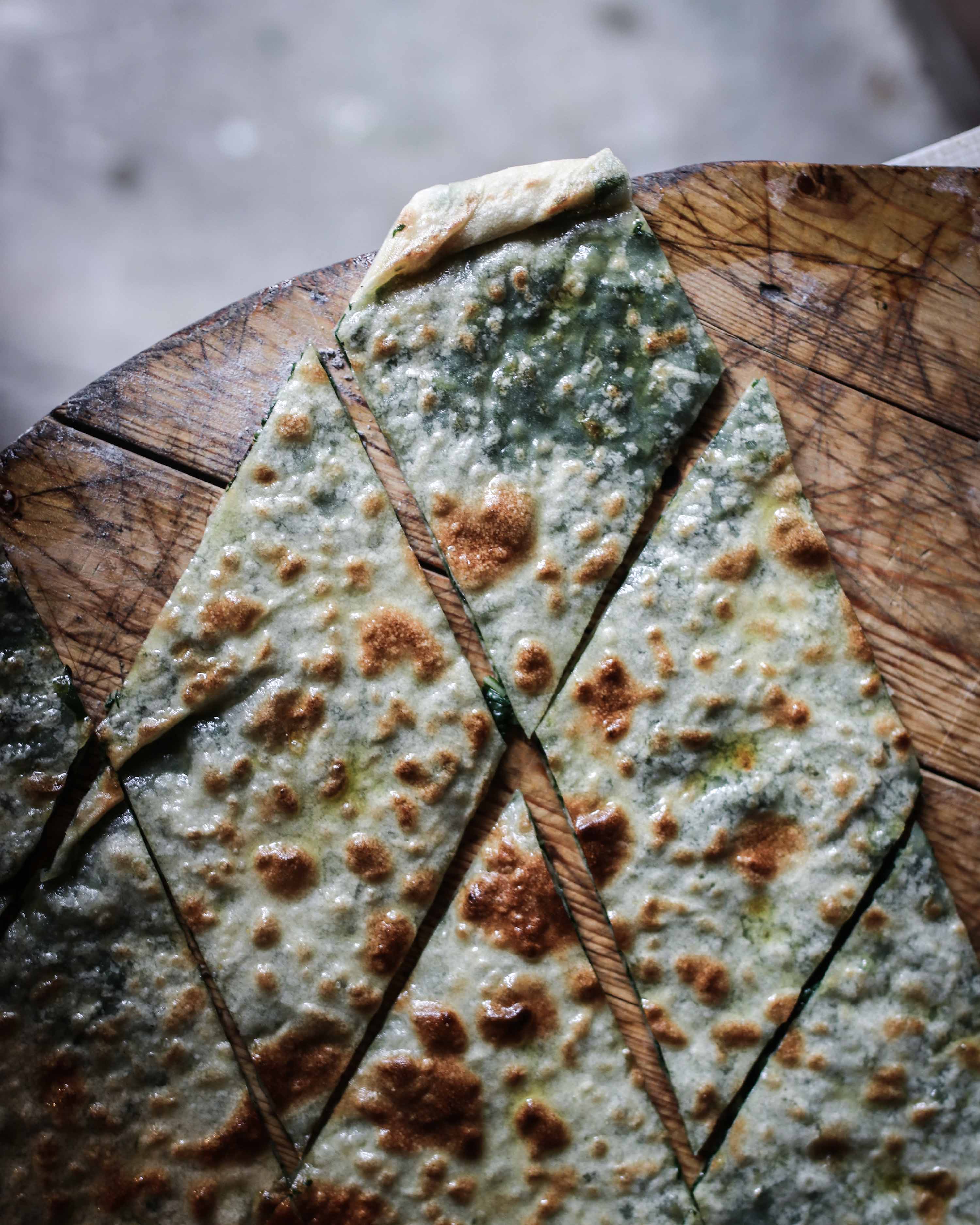
Soparnik
A thin chard pie from nearby PoljicaSoparnik comes from historic Poljica southeast of Split: chard and onion are sealed between two thin sheets of dough, baked on a hearth, then brushed with garlic and olive oil. The name Poljički soparnik is protected in the EU as a geographical indication.
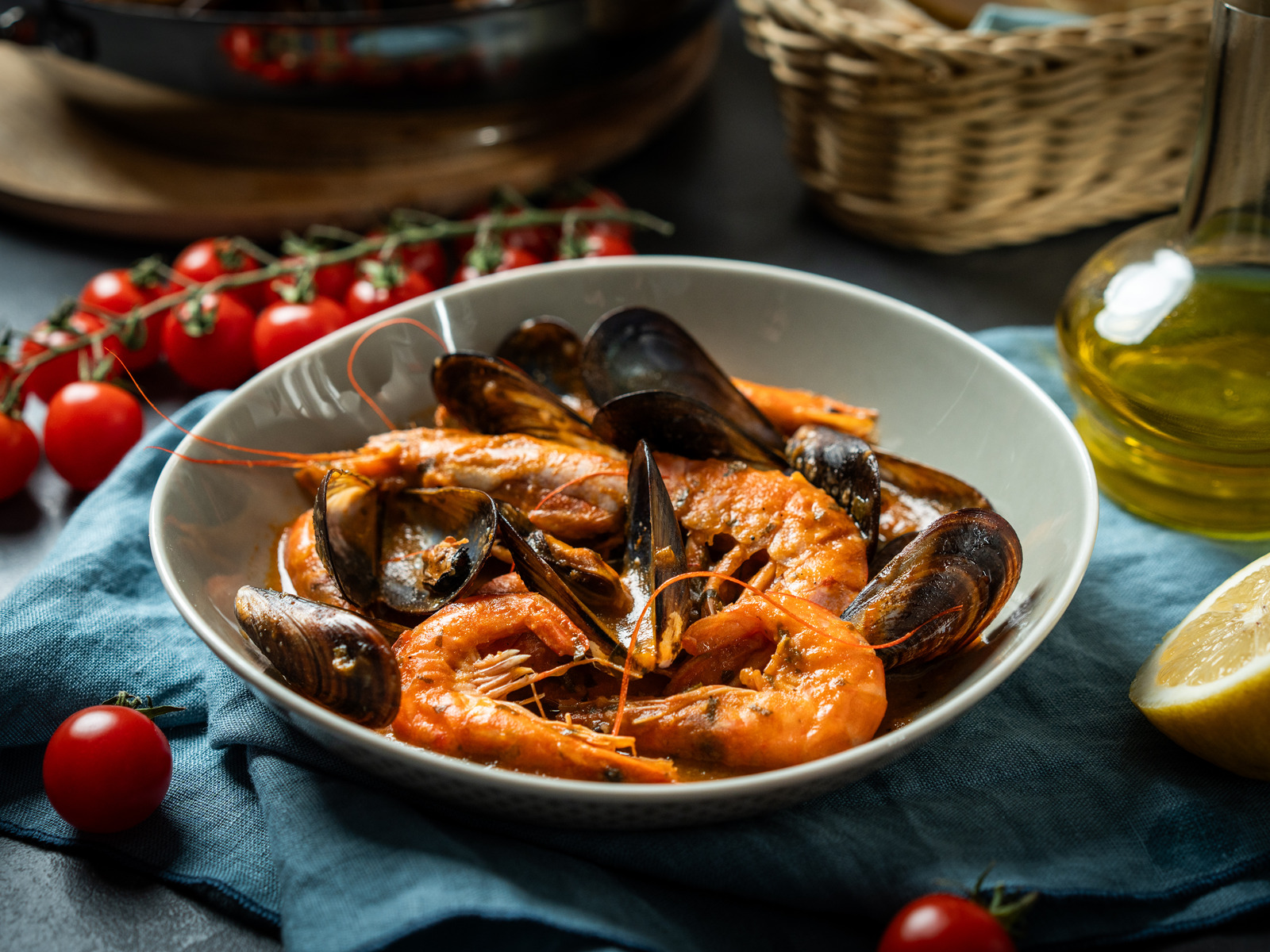
Buzara
Shellfish in a garlicky wine sauce made for breadMussels, prawns or other shellfish are cooked quickly with garlic, white wine, olive oil, parsley and, in some versions, tomato. A little breadcrumb may thicken the sauce in the Dalmatian style; mopping up the juices with crusty bread is half the pleasure.

Split Cake
Split’s own finish of dried fruit, almonds and orange creamNamed directly after the city, this layered cake combines dried fruit such as figs and raisins with nutty meringue layers and orange-scented buttercream. Despite the rich ingredients, the citrus note keeps the finish brighter than its appearance suggests.
Where to stay
| Areas | Old Town and RivaPrice: High | Veli VarošPrice: High | BačvicePrice: High | FirulePrice: Medium | Radunica and LučacPrice: Medium |
|---|---|---|---|---|---|
| Atmosphere | Staying around Diocletian’s Palace, the Peristyle and the Riva gives first-time visitors access to the greatest number of major sights on foot with the least need for transport. Cafés, restaurants and evening activity are right outside. | Historic Veli Varoš, just west of the Riva, feels more like a residential neighbourhood despite being right beside the centre, with stone lanes and slopes climbing towards Marjan. It is a strong choice for travellers who want to stay very close to the centre while experiencing older Split. | East of the centre and close to the city port, Bačvice stands out for both its sandy beach and nightlife. It is the clearest seaside choice for visitors who do not want to choose between the sea and the centre and who like lively evenings. | East of Bačvice along the coastal promenade, Firule offers a calmer beach and residential atmosphere. It is a balanced option for families with young children or travellers who want to stay near the sea without being cut off from the centre. | Radunica, east of the palace, is one of the main streets of the historic Lučac neighbourhood. It is a good middle-ground choice for travellers who want to stay within walking distance of the Old Town while also having easy access towards Bačvice and the port, with a more local street atmosphere. |
| Best for | First-time visitorsShort staysHistory and city lifeCar-free trips | Historic neighbourhood atmosphereCouplesMarjan walksClose to the centre but quieter | BeachNightlifeYoung couplesWalking to the centre | FamiliesQuiet seaside staysLonger staysProximity to the sea | Local neighbourhood feelClose to the Old TownWalking to BačviceMid-range budgets |
| Accommodation profile | PriceHighNightlifeHighWalkabilityHigh | PriceHighNightlifeMediumWalkabilityMedium | PriceHighNightlifeHighWalkabilityHigh | PriceMediumNightlifeLowWalkabilityMedium | PriceMediumNightlifeMediumWalkabilityHigh |
| Transport | Walking is usually enough for day-to-day sightseeing in the centre.The port and main bus station are a short walk away.Bus and ferry connections are strong for day trips outside the city. | Walking is the most practical option for the Old Town and Riva.Marjan can be reached on foot.For more distant neighbourhoods, walk to Promet stops in the centre. | The Old Town and port are reachable on foot.It connects directly to the eastern coastal walking route.City buses can be used for more distant areas. | You can walk along the coast towards Bačvice.Walking to the centre is possible, but it is farther than from the Old Town.Promet city buses are useful for longer journeys. | Walking is enough for the Old Town.Bačvice and the port are reachable on foot.Main roads east of the centre give easy access to city bus stops. |
| Advantages |
|
|
|
|
|
| Consider |
|
|
|
|
|
Planning notes.
Researched recommendations, practical information and route decisions.
- Do not treat Diocletian’s Palace as a single monument; leave the Peristyle and wander into the side passages where the ancient structure becomes ordinary city streets.
- Pause on the Riva to see the palace’s southern façade and modern city life operating side by side.
- Walk through Veli Varoš to Marjan’s first viewpoint; the quick transition from historic streets to greenery is one of Split’s defining experiences.
- In midsummer, do not leave the palace’s narrowest lanes only for the busiest part of the day; earlier hours are usually easier.
- Do not reduce Marjan to a single photo stop; allow time for its paths and small historic sites.
- Do not use the centre only as a jumping-off point for island trips; Split itself deserves more than a few transfer hours.
- If you lose your bearings inside the palace, use the Riva, the Peristyle and the four historic gates as reference points.
- Starting the Marjan walk at the western end of the Riva and climbing through Veli Varoš combines neighbourhood streets and viewpoints without extra transport.
- For a glimpse of everyday local life, visit the Peškarija fish market or Pazar in the morning, before the old centre settles into its evening rhythm.
Split map
What will it cost me?
Figures are per-person daily USD estimates compiled from BudgetYourTrip, Numbeo and recent traveller reports. Flight/ferry tickets not included.
✓ Treat the budget figures as planning estimates rather than fixed prices. Accommodation, island boats, restaurants and seasonal charges can vary significantly by date. · Last updated: Sep 2026
How many days?
Choose the best route for your schedule.
What to know before you go.
Tourist traps, SIM, money, taxis, safety, health, transit and language — the city in eight answers.
Avoid accepting unsolicited street taxi offers. Use an app, an official rank or a pre-booked service, and confirm the fare before the ride.
scamNormal city precautions are sensible in busy palace passages, on the Riva and around transport hubs: keep phones and wallets out of open pockets. For emergencies, the free 112 number connects you with the main emergency services.
safetyTap water is normally drinkable. After heavy rain, however, temporary turbidity notices can affect the Jadro supply, so check the local water utility’s latest notice if the water looks cloudy. Call 112 or 194 for medical emergencies.
healthCity buses are run by Promet Split. Single tickets can be bought from the driver, sales points, machines and mobile channels, and fares vary by zone. Because prices can change, check Promet’s current tariff.
cardIn Croatian, “Bok” means hello, “Hvala” thank you and “Molim” please. In Split you may also hear Dalmatian forms such as “fala” and “amo na kavu”.
languageSplit: weather and crowds by month
🎒 What to pack
- ✔ Walking shoes
- ✔ Power adapter
- ✔ Jacket
- ✔ Layers
- ✔ Umbrella
FLIGHTS
Airport to city
Split Airport Shuttle BusSplit Main Bus Station / city centre
Journey time depends on road traffic; Split Airport specifically warns that traffic towards Split can be heavy in summer.
Best for: Travellers staying around the port and Old Town who want a direct connection to the centre.
Limitations: It depends on road traffic, and journey times can increase noticeably during busy summer periods.
↗ Official sourcePromet 37: Split - Airport - TrogirSplit and Trogir
Journey time depends on stops and traffic; the route operates between Split, the airport and Trogir with multiple stops.
Best for: Travellers who want cheaper public transport and flexible connections between Split and Trogir.
Limitations: It has more stops than the shuttle and may be slower with luggage or at busy times.
↗ Official sourceSplit: frequently asked questions
Is Diocletian’s Palace free to enter, or do I need a ticket?
Which is better in Split: Bačvice Beach or Kašjuni Beach?
Can I visit Hvar or Brač from Split as a day trip without joining a tour?
Is Marjan worth visiting, and can I walk there from Split Old Town?
Is Trogir easy to visit from Split, and is it worth a half-day trip?
Nearby routes