Mallorca Travel Guide
Turquoise coves, stone villages and Tramuntana roads
Last updated: 2026-09-05
The city's 24-hour rhythm.
Turn the dial to any hour and it tells you where you should be.
Market rhythm
Fish, charcuterie, produce and tapas counters are all lively now; it is better to experience the market before the lunch period winds down.
Mallorca: places to visit
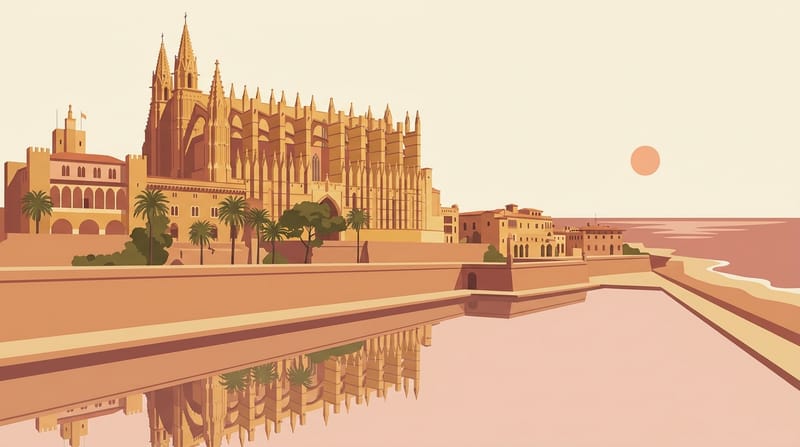
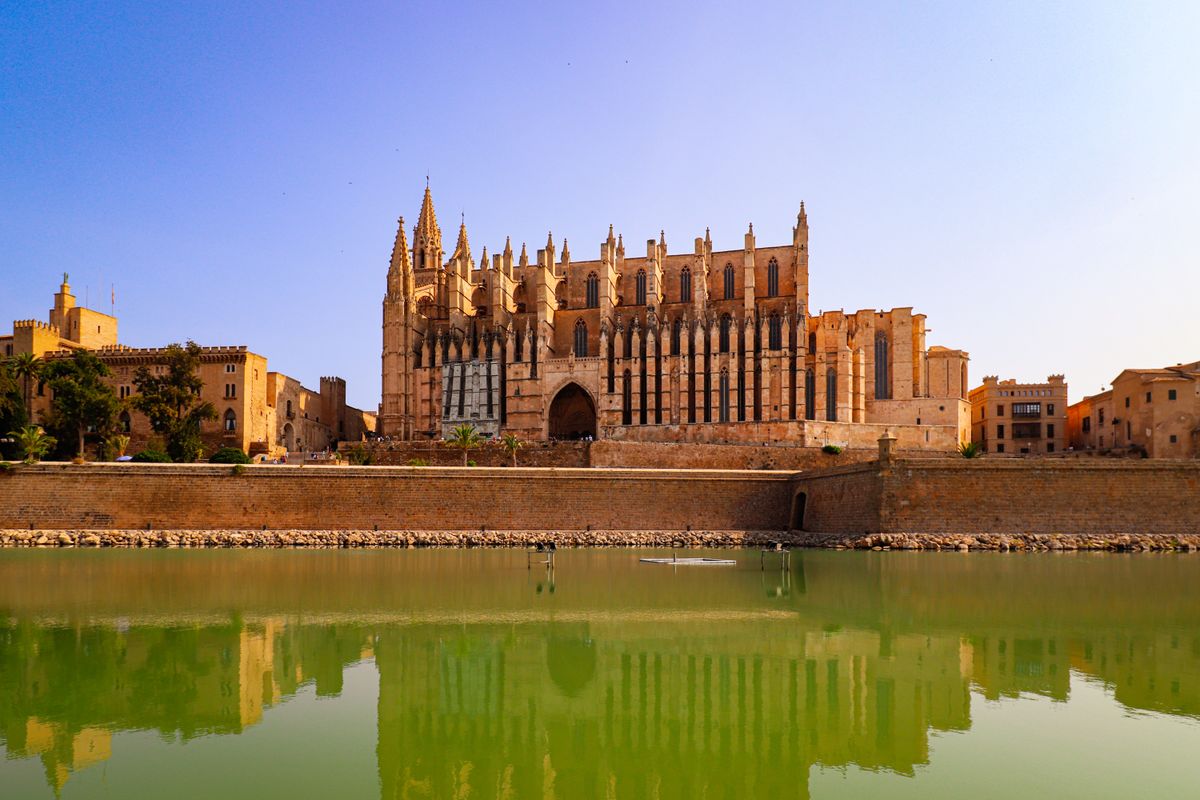
Mallorca Cathedral (La Seu)
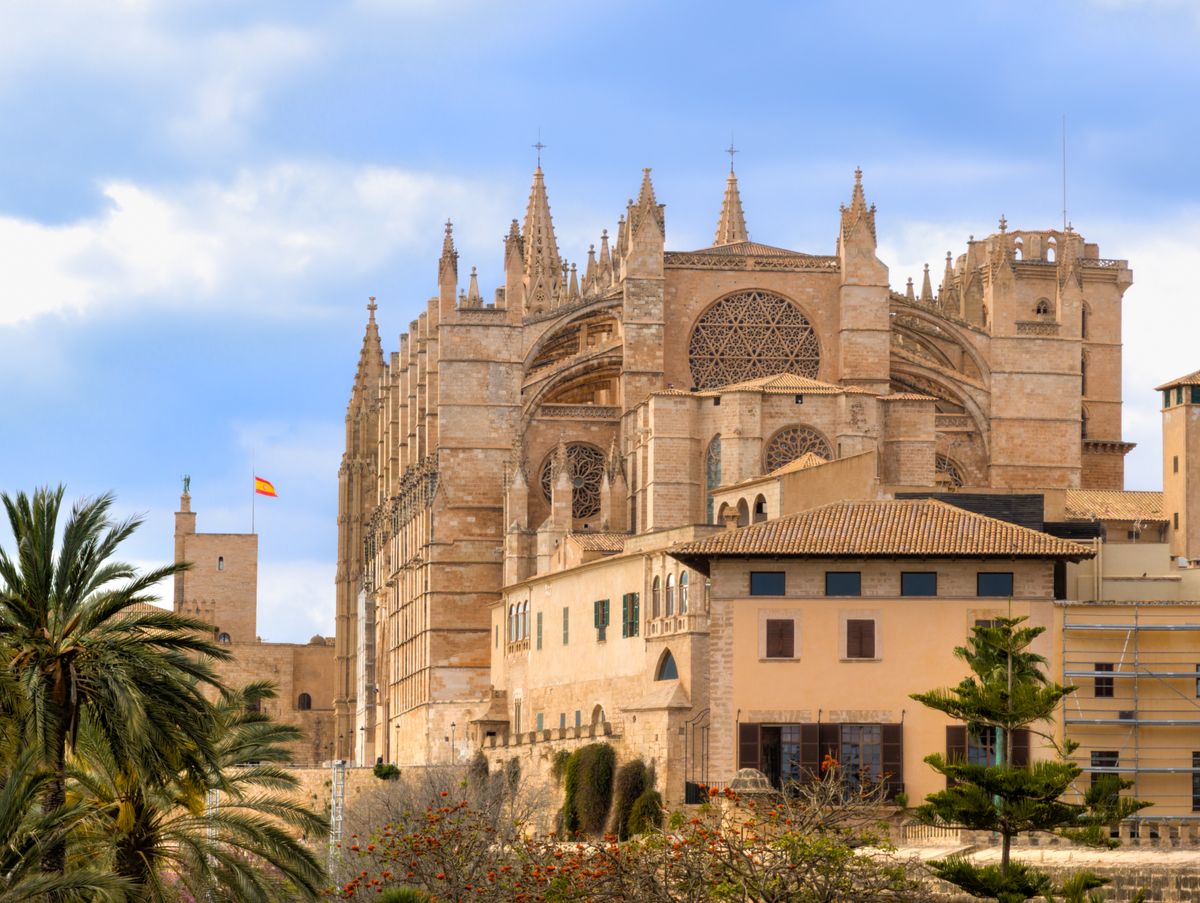
The Gothic cathedral rising above Palma’s waterfront is one of the island’s defining landmarks, known for its vast rose window, soaring nave and interventions by Gaudí and Miquel Barceló.
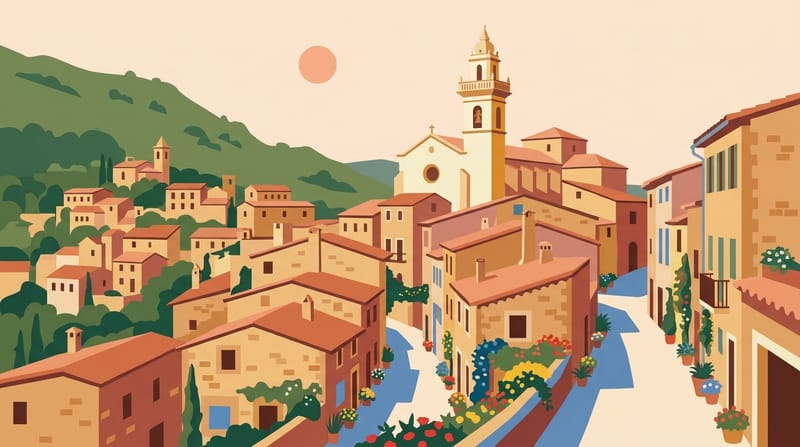
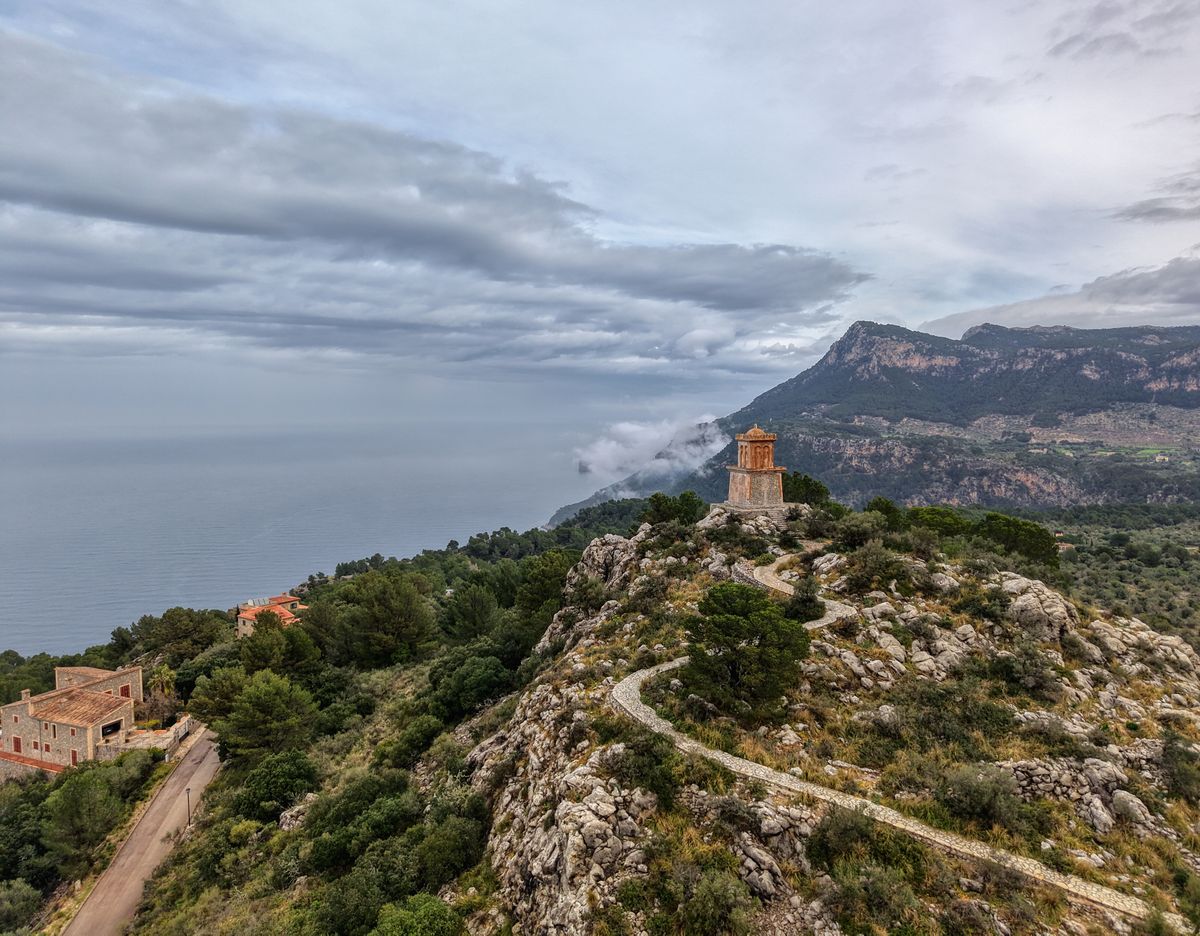
Valldemossa
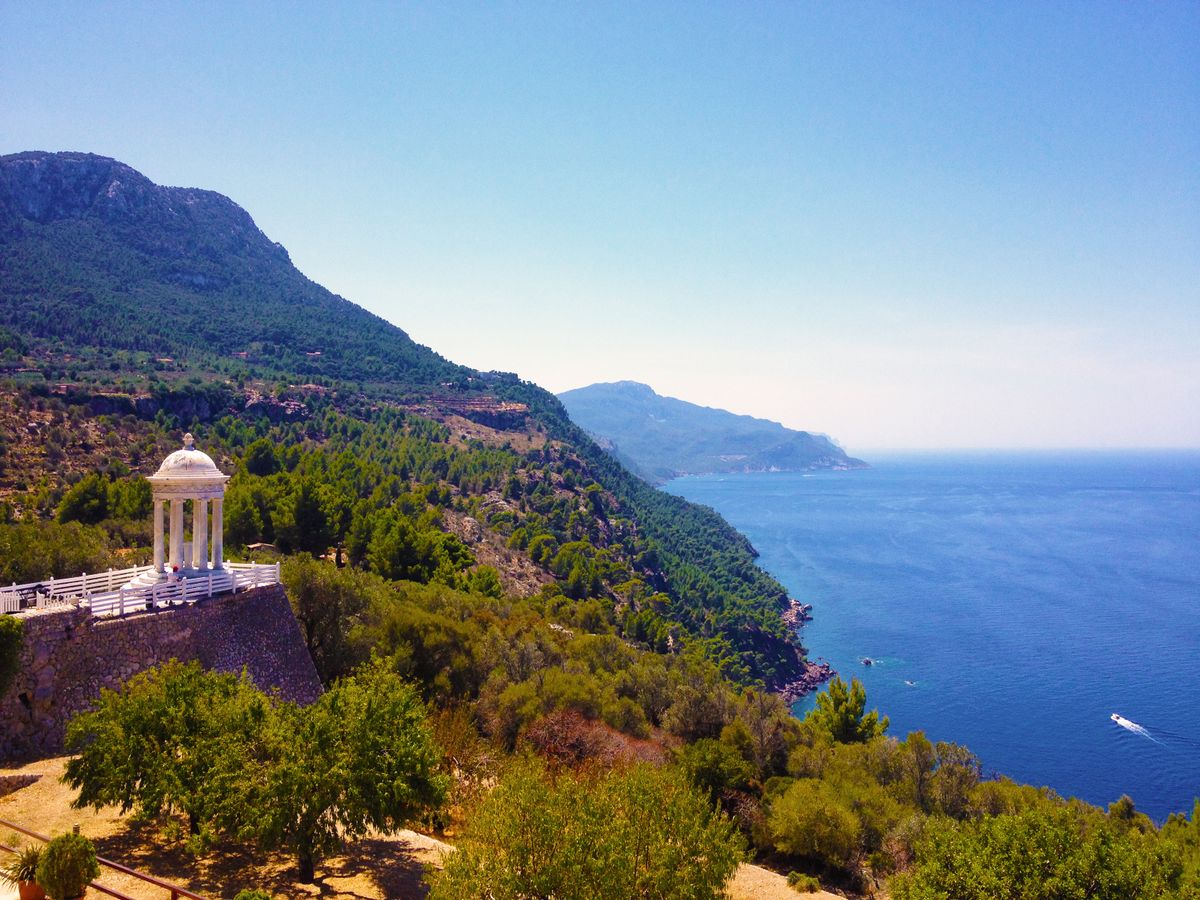
One of the Tramuntana’s most distinctive villages, with stone houses, flower-lined lanes and the Cartoixa monastery complex; its connection with Chopin and George Sand adds another layer to the story.
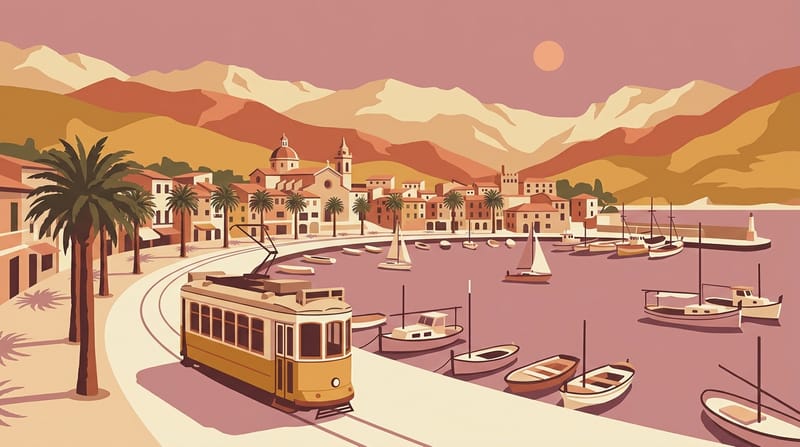
Sóller and Port de Sóller
The orange-grove town of Sóller and its horseshoe-shaped port form one strong experience, linked by the historic train and tram; town square, mountain scenery and waterfront all fit naturally into the same day.

Cap de Formentor
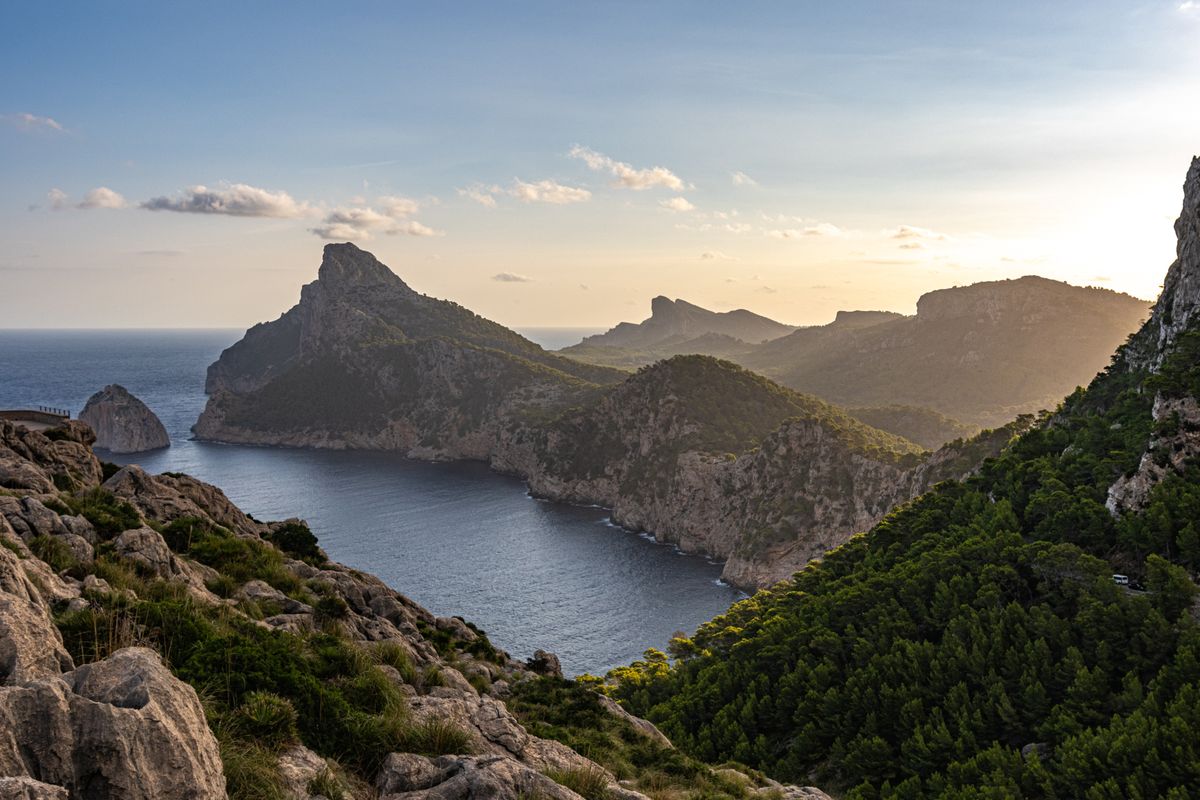
At Mallorca’s northern tip, sheer cliffs, the Mirador Es Colomer viewpoint and the dramatic road to the lighthouse make this one of the island’s most memorable scenic routes.

Caves of Drach
This vast limestone cave system near Porto Cristo is Mallorca’s signature underground experience, with stalactites, stalagmites, Lake Martel, a live classical-music segment and an optional short boat crossing.
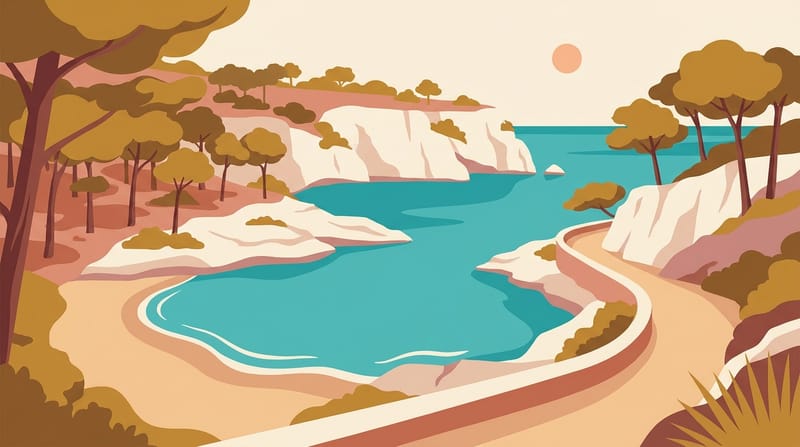
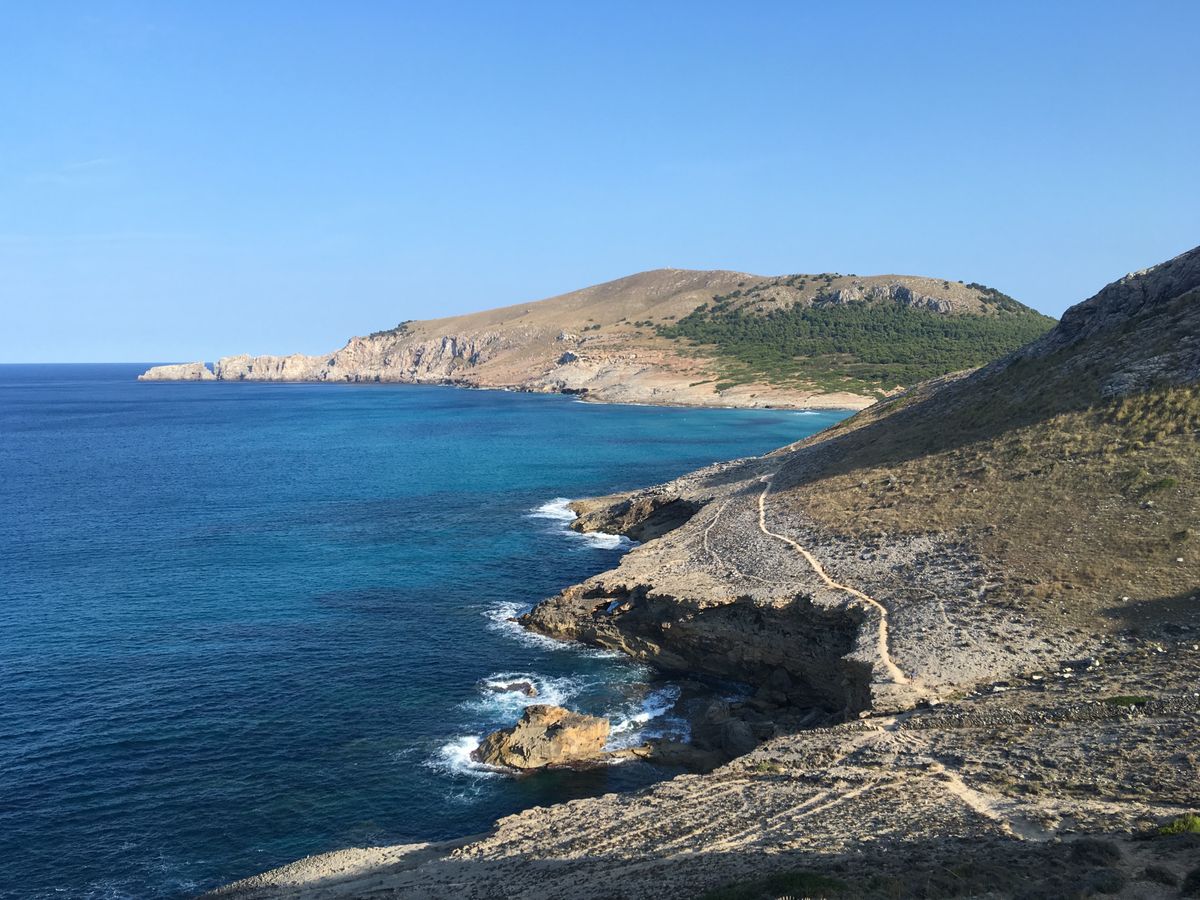
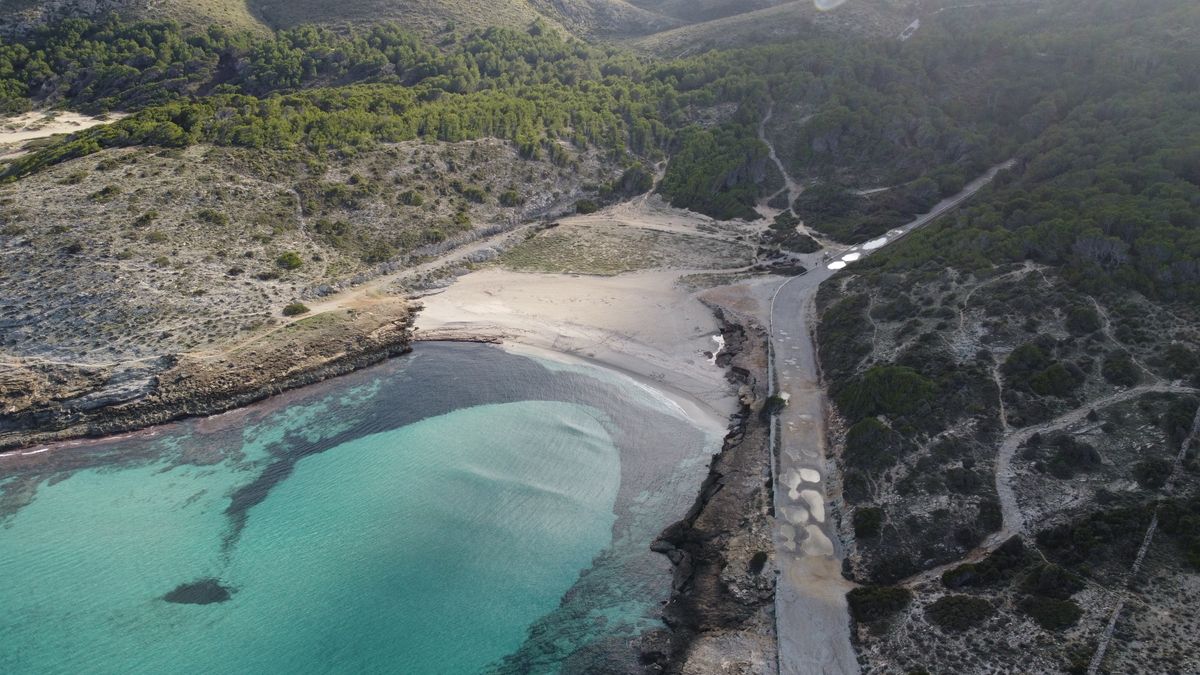
Mondragó Natural Park
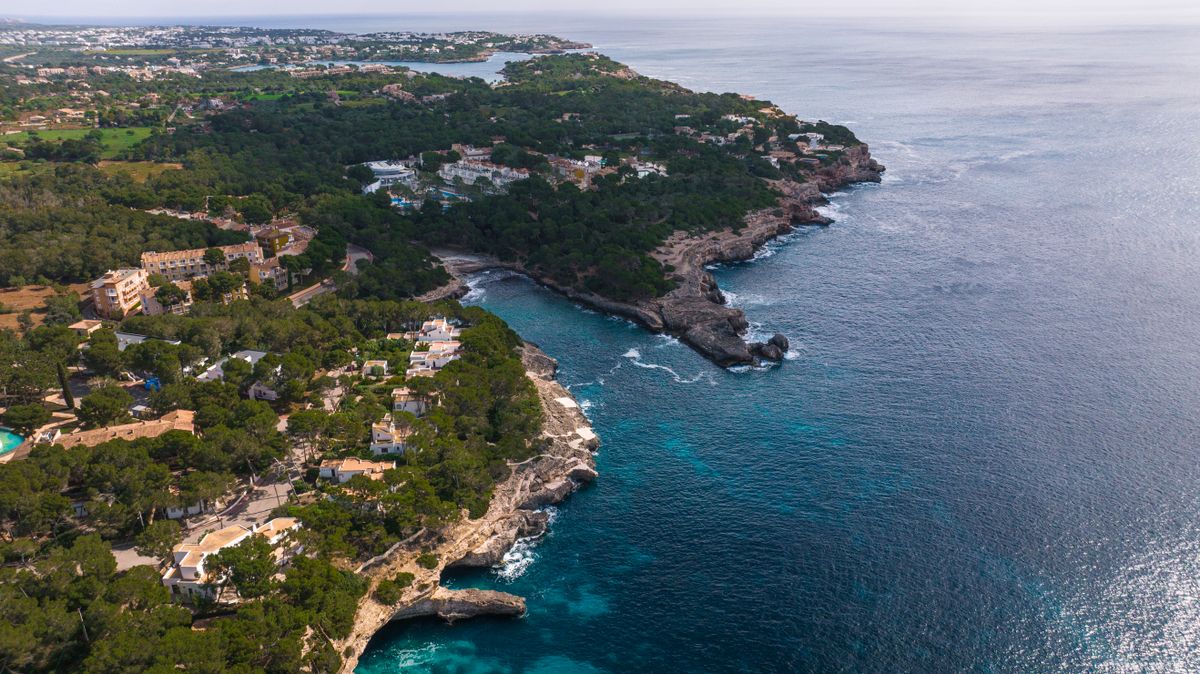
Protected coastline in the southeast combining clear coves such as s’Amarador and ses Fonts de n’Alis with pine-shaded trails, rocky shore and pockets of wetland in one compact area.
What to eat in Mallorca
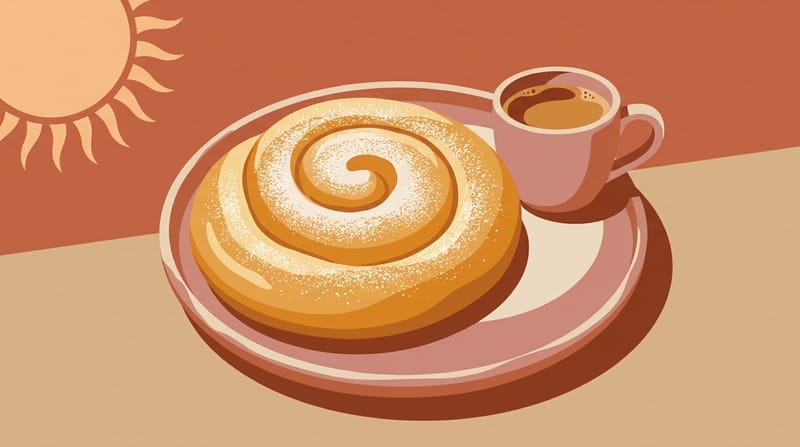
Ensaimada
Mallorca’s sweet icon in a boxA lightly layered spiral pastry made with saïm, or pork lard, and a long fermentation. The classic version is unfilled, while cabello de ángel is another traditional filling. Small ones suit breakfast; larger versions in octagonal boxes are a classic take-home treat.
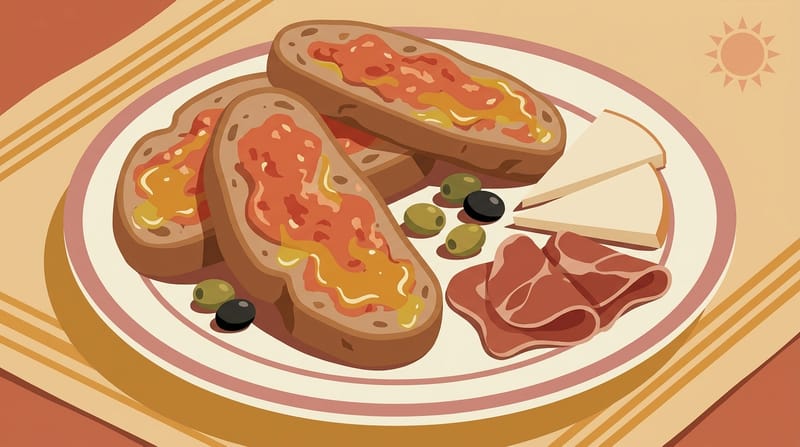
Pa amb oli
Tomato, olive oil and great breadOne of Mallorca’s simplest yet most expressive everyday foods. Local bread is rubbed with ramellet tomato, dressed with olive oil and salt, then often topped with cheese, jamón, sobrasada or olives. With so few ingredients, the quality of the bread and oil matters immediately.
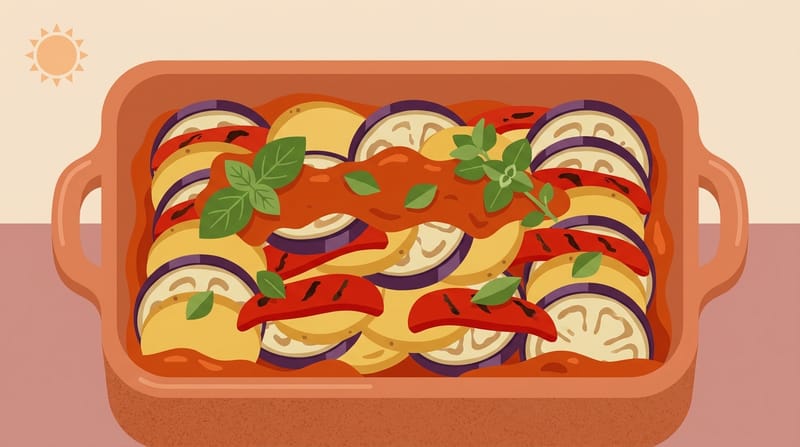
Mallorcan tumbet
Layers of Mediterranean summer vegetablesPotatoes, aubergine and courgette are fried separately, then layered with tomato sauce. It can be eaten hot or cold, either as a vegetarian main or alongside meat or fish. Few dishes capture Mallorca’s summer garden more clearly.
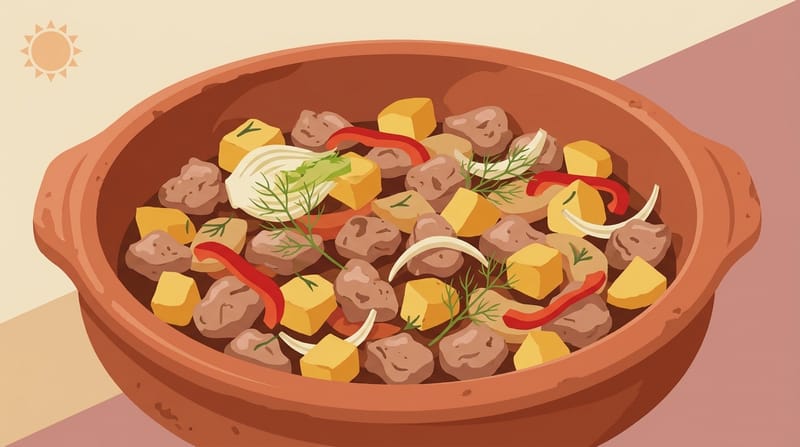
Mallorcan frito
Deep, rustic island cookingThe traditional version brings together offal and meat with potatoes, peppers, peas, onion and aromatic herbs in a hot pan. It is rich and rustic. Menus may call it frit mallorquí or frito mallorquín, and seafood or vegetable versions also exist.
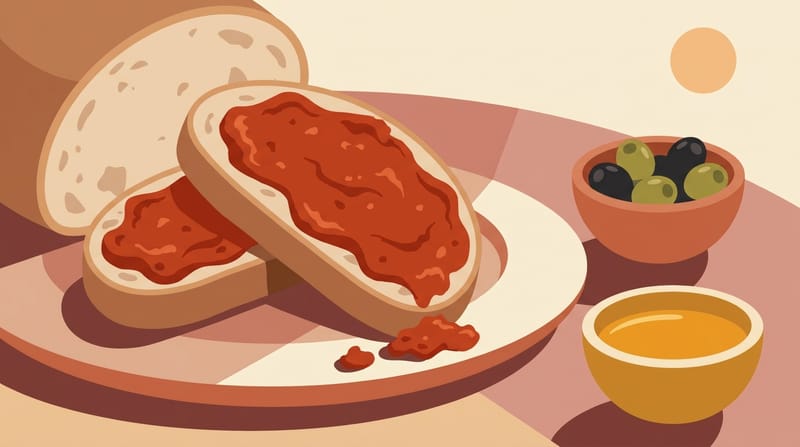
Sobrasada de Mallorca
Mallorca’s paprika-rich spreadable classicA soft, spreadable cured pork product seasoned with paprika, salt and spices, and one of Mallorca’s most recognisable foods. It is spread on bread, added to pa amb oli or used in cooking. The protected name Sobrasada de Mallorca is worth looking for.
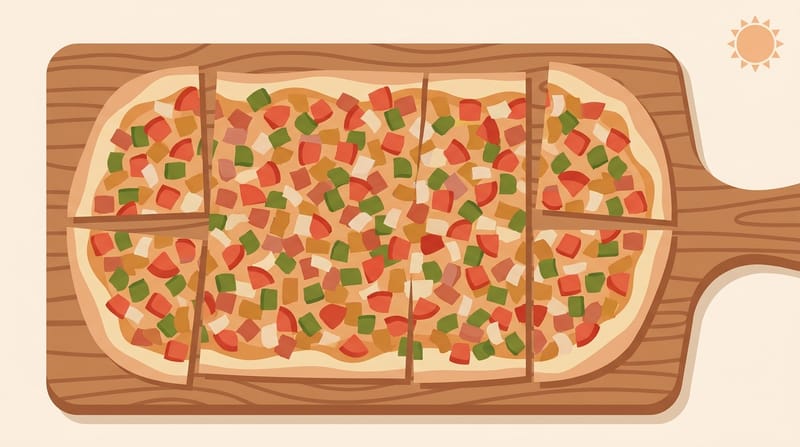
Coca de trampó
Summer vegetables on crisp thin doughA thin, crisp unleavened dough is topped with the trampó mix of tomato, green pepper and onion. It may look distantly related to pizza or focaccia, but its Mallorcan identity is unmistakable. A slice from a bakery makes an excellent local mid-morning snack.
Where to stay
| Areas | Palma Old TownPrice: High | Santa CatalinaPrice: High | Portixol and El MolinarPrice: High | Port de SóllerPrice: High | Port de PollençaPrice: Medium | Alcúdia Old TownPrice: Medium |
|---|---|---|---|---|---|---|
| Atmosphere | The most central base for first-time visitors who want to see the main historic sights on foot. Narrow medieval streets, courtyards, museums and the cathedral area make it easy to spend most of the day without a car. | A strong choice for travellers who value evenings out, restaurants and bars but still want to stay within walking distance of central Palma. Palma’s official tourism site highlights the district particularly for evening dining and nightlife. | One of the best-balanced coastal options for staying by the sea without disconnecting from Palma. The official coastal route links Portixol with Cala Estància, with excellent walking and cycling along the shoreline. | A standout base for travellers who want Tramuntana scenery, the coast and village atmosphere in one place. Sóller town lies about 4 km inland; the historic tram and TIB buses provide links toward Palma. | A strong northern-Mallorca base for travellers who want a beach, a long waterfront walk and quieter evenings. Pollença’s official tourism site describes it as a relaxed coastal resort with a long beach and promenade shared by residents and visitors. | A characterful northern-Mallorca base for travellers who would rather stay amid historic fabric than in a beach hotel. Medieval walls, narrow streets and the Pol·lèntia remains cluster around the centre, while Port d'Alcúdia and the beach zone are separate. |
| Best for | First-time visitorsHistory and cultureExploring on footTravellers without a rental car | Food-focused tripsEvening social lifeCouplesCentral Palma stays | Seafront staysMorning walksCyclingA quieter Palma experience | TramuntanaSceneryRomantic staysSlow travelWalking routes | FamiliesBeachNorthern MallorcaFormentor tripsQuiet evenings | HistoryNorthern MallorcaCouplesQuiet eveningsCulture |
| Accommodation profile | PriceHighNightlifeMediumWalkabilityHigh | PriceHighNightlifeHighWalkabilityHigh | PriceHighNightlifeLowWalkabilityHigh | PriceHighNightlifeLowWalkabilityMedium | PriceMediumNightlifeLowWalkabilityHigh | PriceMediumNightlifeLowWalkabilityHigh |
| Transport | EMT A1 connects the airport with central Palma.The Plaça d'Espanya area is the main interchange for TIB connections across the island.Most of the old centre is easy to explore on foot. | Palma’s EMT city network is easy to access.Walking to the Old Town and Passeig del Born is practical.For the airport A1, a short city connection to central stops may be needed. | Palma’s official coastal route links Portixol with neighbourhoods farther east by foot and bicycle.The official Passeig d'es Molinar page lists city bus routes 23, 25 and 35.Central Palma can be reached by walking along the coast or by EMT. | TIB 204 runs directly between Palma and Port de Sóller.TIB 203 reaches Sóller via Valldemossa and Deià.A historic tram runs between Sóller and Port de Sóller. | Walking along the waterfront is excellent.TIB buses connect it with Pollença and other northern destinations.For airport links to the north, check the current TIB Aerotib timetable. | TIB A32 runs in the summer season between the airport, Alcúdia historic centre and Port d'Alcúdia.Local TIB services connect toward Port d'Alcúdia and Platja d'Alcúdia.The historic centre itself is explored on foot. |
| Advantages |
|
|
|
|
|
|
| Consider |
|
|
|
|
|
|
Planning notes.
Researched recommendations, practical information and route decisions.
- Explore Palma’s old town and the area around La Seu on foot.
- Include at least two of Valldemossa, Deià and Sóller in your Tramuntana route.
- Set aside at least one day for swimming in the coves; pairing two nearby coves makes the day more rewarding.
- Avoid arriving at the most popular coves around midday in July and August.
- Do not build a tight Tramuntana schedule on the assumption that parking will be easy.
- Do not try to cover every corner of the island as a day trip from one single base.
- Palma’s Estació Intermodal is one of the most useful starting points for TIB intercity buses, trains and metro services.
- Treat the historic tram between Sóller and Port de Sóller as part of the experience, not just transport.
- September is still excellent for swimming; for walks, favour mornings and late afternoons over the midday heat.
Mallorca map
What will it cost me?
Figures are per-person daily USD estimates compiled from BudgetYourTrip, Numbeo and recent traveller reports. Flight/ferry tickets not included.
✓ Treat budget figures as planning ranges rather than fixed prices; accommodation, car hire and popular coastal areas can vary significantly by season and booking date. · Last updated: Sep 2026
How many days?
Choose the best route for your schedule.
What to know before you go.
Tourist traps, SIM, money, taxis, safety, health, transit and language — the city in eight answers.
Especially at the airport, ignore drivers soliciting passengers outside the terminal; use the official taxi rank and ask for a receipt if needed. In the Tramuntana, do not assume a short distance means a quick drive, as narrow winding roads can add considerable time.
scamMallorca is generally easy to travel around, but keep an eye on phones, wallets and bags in busy central Palma, on public transport and at crowded beaches. If you rent a car, do not leave valuables visible inside. The emergency number is 112.
safetyTap water is treated as drinking water, although mineral content and taste can be noticeable in parts of the island; if you are sensitive to it, bottled or filtered water may be more comfortable. Water is a limited resource in the Balearics, so avoid unnecessary use, especially in summer.
healthAs a visitor, you do not need a dedicated travel card. TIB buses, trains and metro accept contactless bank cards with tap-in and tap-out validation, and in 2026 bank-card payment is also available across Palma’s entire EMT bus fleet. Check TIB and EMT information on the day of travel because rules and fares can change.
cardSpanish is understood everywhere, while Mallorcan, the local variety of Catalan, appears frequently on signs and in daily life. A simple “Bon dia” is a friendly greeting, and place names may look different in Catalan and Spanish.
languageMallorca: weather and crowds by month
🎒 What to pack
- ✔ Walking shoes
- ✔ Power adapter
- ✔ Umbrella
FLIGHTS
Airport to city
EMT A1Palma centre
Journey time varies with traffic and stops; check the EMT/Aena page for the current timetable.
Best for: Travellers staying in Palma Old Town, Santa Catalina and the central area.
Limitations: It does not run directly to resorts outside Palma; stays beyond the centre may require a connection. From 20 August to 19 September 2026, the EMT/TIB stop at the airport is temporarily relocated.
↗ Official sourceTIB A32 AerotibInca, Sa Pobla, Alcúdia, Port d'Alcúdia, Platja de Muro, Can Picafort
This is a multi-stop route and journey time varies by destination; the current 2026 timetable is published on the TIB page.
Best for: Travellers staying in Alcúdia, Port d'Alcúdia, Platja de Muro or Can Picafort.
Limitations: It operates only in the summer season. The published 2026 timetable covers 27 March to 31 October; outside that period, an alternative connection is needed.
♿ Accessible
↗ Official sourceOfficial airport taxi rankDirect taxi travel across Mallorca
Journey time depends on destination and traffic; Aena does not publish one fixed journey time.
Best for: Late-night arrivals, travellers with heavy luggage and anyone wanting a direct door-to-door transfer.
Limitations: More expensive than public transport; Aena recommends using only the signed official taxi rank at the terminal.
♿ Accessible
↗ Official source