

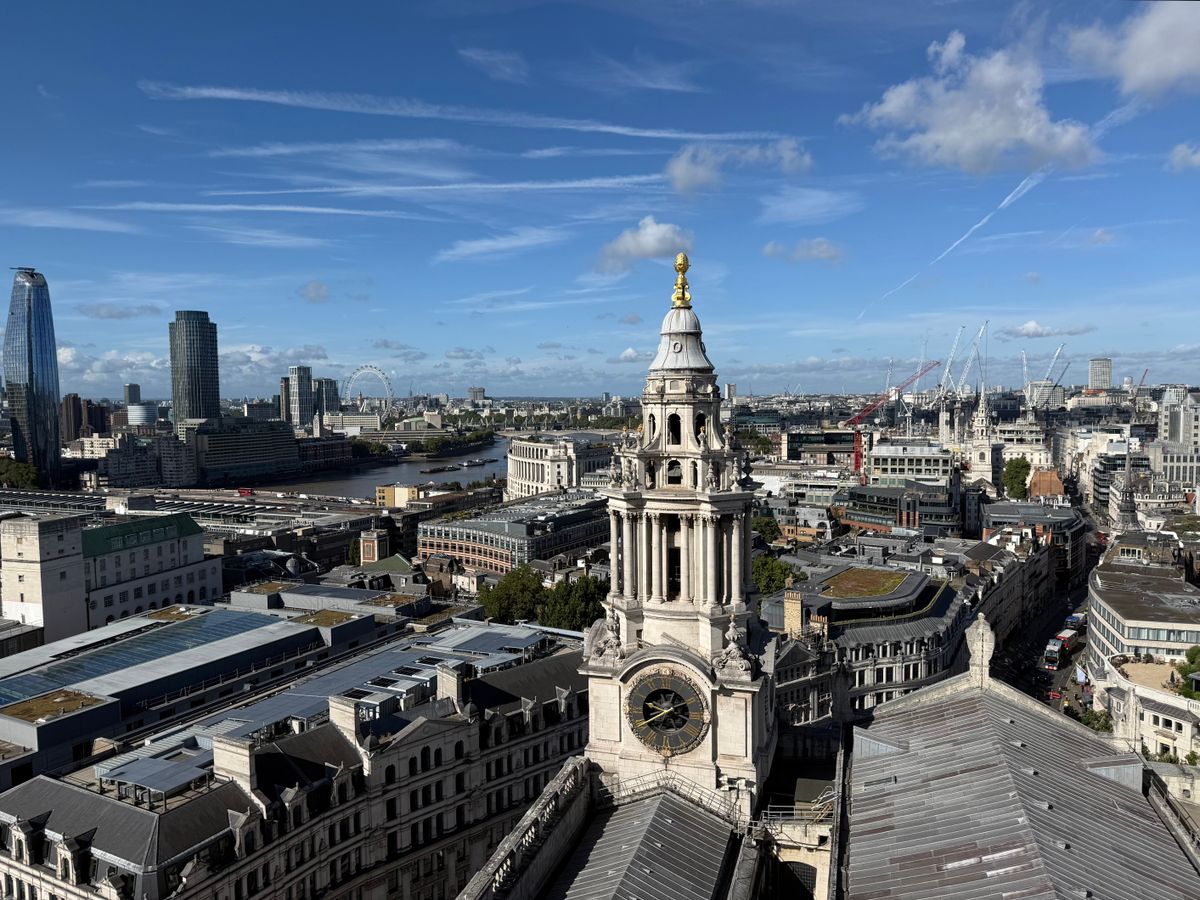
London Travel Guide
A hundred villages pretending to be one city.
Last updated: 2026-09-05
The city's 24-hour rhythm.
Turn the dial to any hour and it tells you where you should be.
Borough Market lunch
The duck confit sandwich or the salt-beef bagel.
London: places to visit

British Museum
A world-famous museum dedicated to human history, art, and culture, housing millions of works.
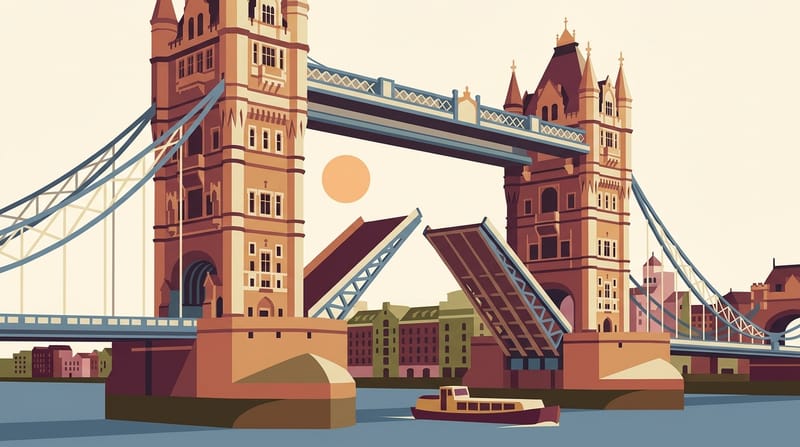
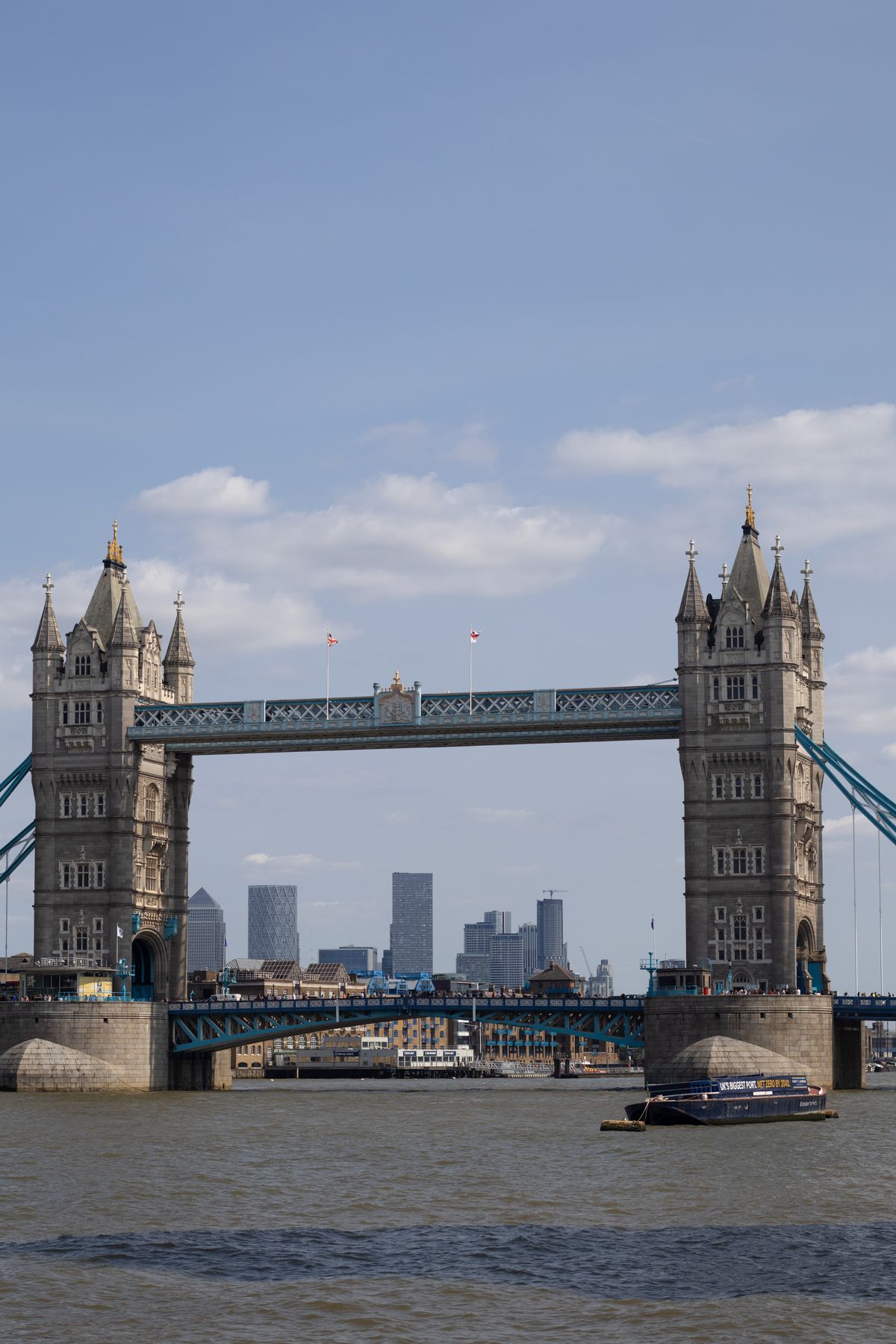
Tower Bridge
An iconic Victorian bascule bridge over the River Thames, famous for its glass floor walkways.
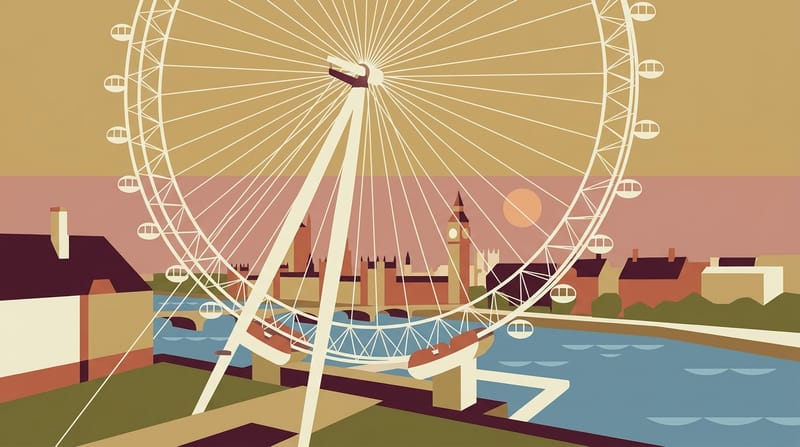
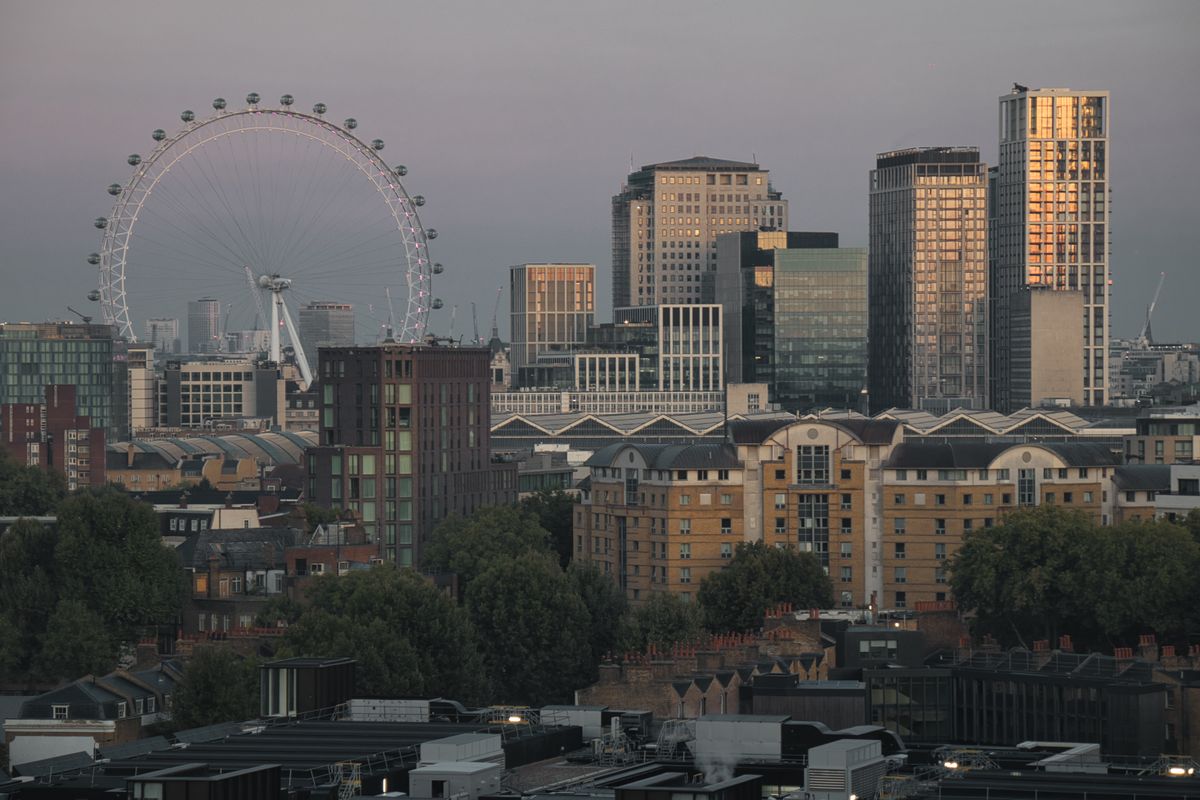
London Eye
A giant Ferris wheel on the South Bank of the River Thames, offering 360-degree city views.

Westminster Abbey
A historic gothic church where British monarchs are crowned, married, and buried.
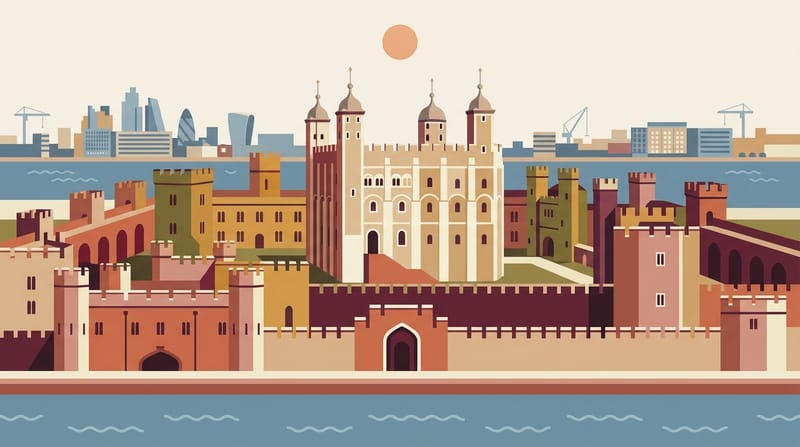
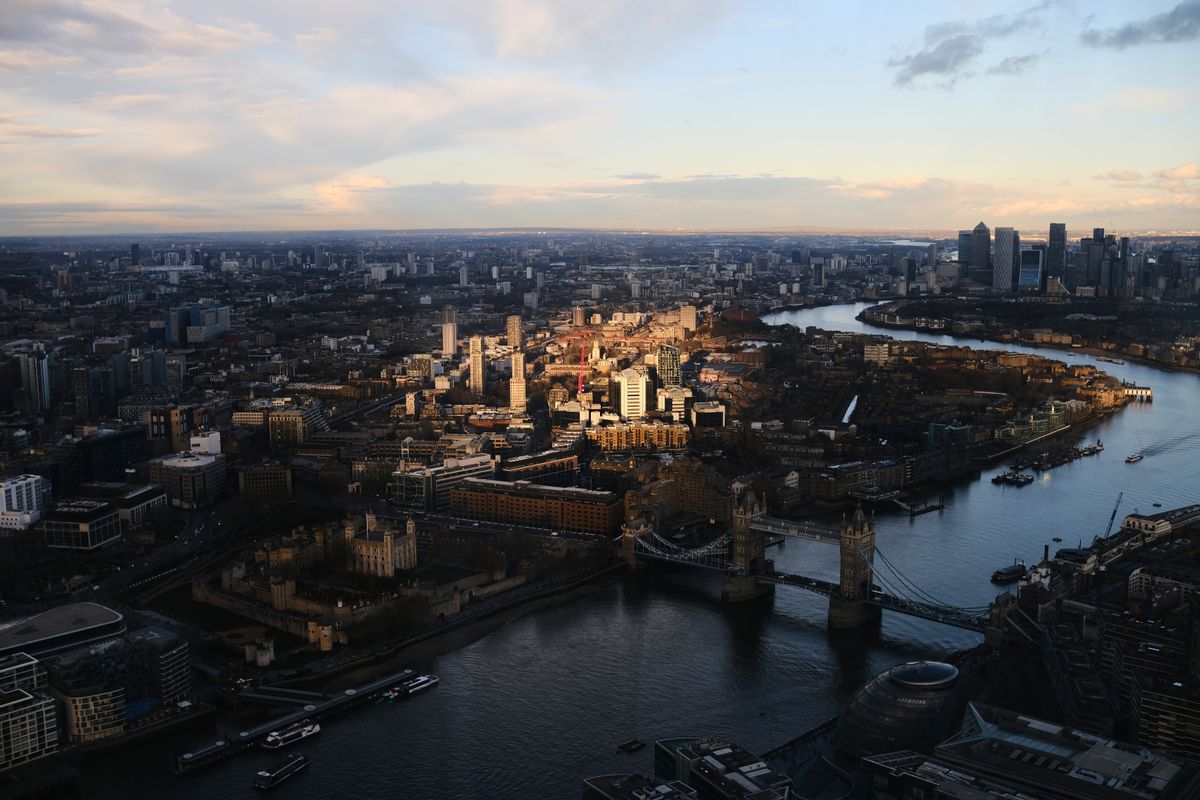
Tower of London
A historic castle on the north bank of the River Thames, home to the Crown Jewels.

Hyde Park
One of London's largest Royal Parks, famous for its Speakers' Corner and Serpentine Lake.
What to eat in London

Rules
Classic British dining at London's oldest restaurantServing Covent Garden since 1798, this historic restaurant keeps classic British cooking alive through game, savoury pies and traditional puddings.

St. JOHN Smithfield
The spare, bold face of modern British cookingInside a former Smithfield smokehouse, seasonal produce and a nose-to-tail philosophy shape bone marrow, offal and unfussy British plates.

Dishoom Covent Garden
Bombay café culture in Covent GardenA setting inspired by 1940s Bombay cinemas serves black daal, biryani, grilled kebabs, chai and breakfast naan rolls.

Padella Borough Market
Hand-rolled fresh pasta beside Borough MarketA small, lively pasta bar with an open kitchen, known for daily-made pici cacio e pepe and pappardelle with beef-shin ragù.

Beigel Bake Brick Lane
Brick Lane's 24-hour salt-beef beigel institutionHot beigels emerge around the clock, filled with thick-cut salt beef, mustard and pickle or with smoked salmon and cream cheese.
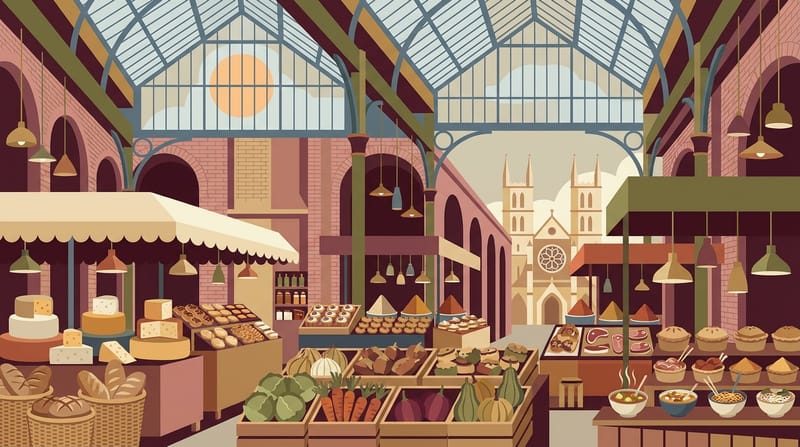
Borough Market
Flavours from around the world in London's historic marketBeneath Victorian arches, this landmark food market brings together British cheeses, sourdough loaves, pies, fresh produce and multicultural street food.
Where to stay
| Areas | SohoPrice: High | Covent GardenPrice: High | South Bank and WaterlooPrice: High | Shoreditch and HoxtonPrice: High | South Kensington and KensingtonPrice: High |
|---|---|---|---|---|---|
| Atmosphere | In the heart of the West End, with lively nightlife, independent restaurants, theatres and music venues; a strong base for travellers who want action in the city centre. | A very central and walkable West End base that combines shopping, theatre, restaurants, bars, history and culture, especially suitable for a first visit to London. | A balanced riverside base near major cultural and entertainment attractions such as the London Eye, Southbank Centre, National Theatre and BFI, well suited to riverside walks and central sightseeing. | An East London area with street art, independent cafes, bars, galleries and nightclubs, suited to travellers looking for a more creative and youthful city experience. | A West London area combining world class museums, Kensington Gardens, shopping and a calmer, more elegant atmosphere; useful for culture and Heathrow access. |
| Best for | NightlifeFood and drinkWest EndFirst time visitors who want to stay central | First time visitorsTheatreShoppingCentral locationExploring on foot | River viewsCultureFamiliesWalkingCentral sightseeing | NightlifeIndependent venuesStreet artCreative atmosphere | MuseumsFamiliesA quieter central baseWest LondonHeathrow access |
| Accommodation profile | PriceHighNightlifeHighWalkabilityHigh | PriceHighNightlifeHighWalkabilityHigh | PriceHighNightlifeMediumWalkabilityHigh | PriceHighNightlifeHighWalkabilityHigh | PriceHighNightlifeLowWalkabilityHigh |
| Transport | Tottenham Court Road, Oxford Circus, Piccadilly Circus and Leicester Square stations improve access around the area.Tottenham Court Road is convenient for connections to the Elizabeth line. | Covent Garden station is on the Piccadilly line.Alternative lines around Leicester Square, Charing Cross and Holborn can be reached on foot. | Waterloo is a major National Rail and Underground interchange.Westminster, Covent Garden and the City are easily accessible on foot and by public transport. | Shoreditch High Street provides a London Overground connection.Liverpool Street station is a nearby major interchange for the Elizabeth line, Underground and National Rail. | South Kensington station provides access to the Piccadilly, District and Circle lines.The Piccadilly line provides a direct connection to Heathrow. |
| Advantages |
|
|
|
|
|
| Consider |
|
|
|
|
|
Planning notes.
Researched recommendations, practical information and route decisions.
- Permanent collections at major national museums such as the British Museum, National Gallery and Tate are free — visit at least two.
- Sit at the front upstairs on a red double-decker; central routes turn an ordinary bus ride into a great city view.
- Have a Sunday roast at a real gastropub.
- Black-cab fares can climb quickly on longer trips; app-based rides are often worth comparing before you go.
- Buying single Tube tickets — always tap contactless.
- The 'sale' games in Oxford Street souvenir shops.
- Contactless pay-as-you-go automatically caps Zone 1–2 travel at £8.90 per day in 2026; use the same card or device for every journey.
- Sky Garden is free, but free slots are limited and usually released a few weeks ahead, so book early.
- Museums are quietest first thing on weekdays.
London map
What will it cost me?
Figures are per-person daily USD estimates compiled from BudgetYourTrip, Numbeo and recent traveller reports. Flight/ferry tickets not included.
✓ Prices are compiled from real traveller spending. · Last updated: Aug 2026
How many days?
Choose the best route for your schedule.
What to know before you go.
Tourist traps, SIM, money, taxis, safety, health, transit and language — the city in eight answers.
999 or 112 — connects to the UK’s national emergency response service.
Getting stuck on the Oxford Street–Big Ben line and missing the markets (Borough, Columbia Road) and pub culture.
scamSafe; the one common crime is phone-snatching by bicycle — don't type at the kerb edge.
safetyTap water is safe to drink but hard (high limescale); carry a reusable bottle to refill.
healthNo need for an Oyster Card; your contactless bank card or mobile wallet works perfectly at the same rate.
cardYou will hear 'Cheers' (for thank you) and 'Sorry' constantly — use them freely to blend in.
languageLondon: weather and crowds by month
🎒 What to pack
- ✔ Walking shoes
- ✔ Power adapter
- ✔ Jacket
- ✔ Layers
- ✔ Umbrella
FLIGHTS
Airport to city
Elizabeth linePaddington, Bond Street, Tottenham Court Road, Farringdon, Liverpool Street and Canary Wharf
Heathrow to Paddington takes about 28 minutes.
Best for: Best for travellers who want a fast trip to central London and direct onward travel towards the West End or City.
Limitations: Train frequency varies by terminal; all trains serve Terminals 2 and 3, while service patterns for Terminals 4 and 5 differ.
↗ Official sourcePiccadilly lineCentral London
The journey to central London takes about 50 minutes.
Best for: Best for travellers who want a cheaper direct Tube option or are staying along the Piccadilly line.
Limitations: It is slower than the Elizabeth line; Night Tube does not serve Terminal 4.
↗ Official sourceGatwick ExpressLondon Victoria
The non stop journey takes about 30 minutes; the official airport page states two services per hour.
Best for: Best for travellers who want the simplest direct train to Victoria and nearby areas.
Limitations: Travellers staying outside the Victoria area may need an additional Tube or bus connection.
↗ Official sourceThameslink / SouthernDifferent London stations including London Bridge, St Pancras and Victoria
Journey time varies by London station and service.
Best for: Best for travellers who want a direct train to London Bridge, St Pancras or another London station instead of Victoria.
Limitations: Not every service calls at the same London stations; check the live timetable before travel.
↗ Official sourceStansted ExpressLondon Liverpool Street / Tottenham Hale
About 48 minutes to Liverpool Street and about 37 minutes to Tottenham Hale.
Best for: Best for the fastest rail option towards the City, Shoreditch and north or central London connections.
Limitations: An additional TfL connection may be needed for the West End or Victoria area.
↗ Official sourceNational ExpressVictoria, Paddington, Baker Street, Golders Green and other London stops
Journey time varies by route and traffic.
Best for: Best for travellers who want a more direct coach to a London area away from the train terminus.
Limitations: Road traffic makes journey times less predictable than the train.
↗ Official sourceLuton Airport Express + Luton DARTLondon St Pancras International
The fastest combinations take about 32 minutes between St Pancras and the terminal; DART takes about 4 minutes between the terminal and Luton Airport Parkway.
Best for: Best for fast rail access towards St Pancras, King's Cross and north central London.
Limitations: Mainline trains arrive at Luton Airport Parkway; the DART connection is used for the terminal.
↗ Official sourceNational ExpressCentral London including London Victoria and London Paddington
Journey time varies by route and traffic; services operate 24/7.
Best for: Best for travellers who want a direct coach from the terminal and prefer to avoid the DART plus train connection.
Limitations: It is affected by road traffic and can take longer than the rail combination.
↗ Official sourceDocklands Light Railway (DLR)Bank, with connections across the DLR network towards Canary Wharf / Stratford
The journey towards Bank takes about 21 to 22 minutes.
Best for: Best for fast and direct access towards the City, Canary Wharf and East London.
Limitations: At least one change may be required for the West End or West London.
↗ Official sourceTfL bus 473Stratford / North Woolwich
Journey time varies with traffic and stop.
Best for: Best for travellers heading towards Stratford or needing local connections outside the DLR.
Limitations: It does not go directly to central London; for most visitors the DLR is faster and more practical.
↗ Official sourceGreater Anglia trainsLondon Liverpool Street / Stratford
About 52 minutes to Liverpool Street and about 43 minutes to Stratford.
Best for: Best for the most direct public transport link from Southend to central London.
Limitations: The Oyster/contactless area ends at Shenfield; a valid rail ticket is required to continue to the airport.
↗ Official sourceArriva local buses 7, 8 and 9Southend, Rayleigh and surrounding local connections
Journey time varies by local route.
Best for: Best for local connections around Southend and Essex.
Limitations: It is not a direct option to central London; the train is clearly the main public transport choice for central London.
↗ Official source