Bologna Travel Guide
A red-brick city best discovered beneath its porticoes and around the table
Last updated: 2026-09-05
The city's 24-hour rhythm.
Turn the dial to any hour and it tells you where you should be.
Lunch deserves time
Do not rush lunch. Sit down for tagliatelle al ragù, tortellini in brodo or another fresh pasta dish and enjoy it properly.
Bologna: places to visit
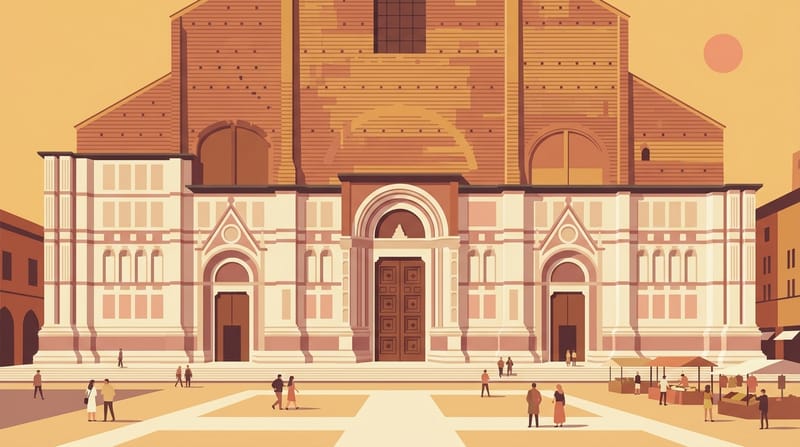
Basilica of San Petronio
The vast brick basilica that anchors Piazza Maggiore. Inside, look for Cassini’s 67-metre sundial and richly decorated chapels; the former panoramic terrace is now permanently closed.
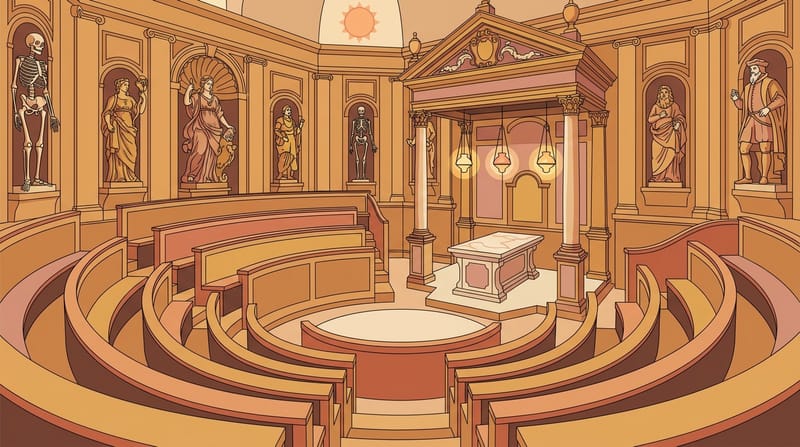
Archiginnasio and Anatomical Theatre
Walk through heraldic corridors in the former seat of the University of Bologna to the 17th-century wooden Anatomical Theatre. It is one of the city’s best places to feel Bologna’s academic history.
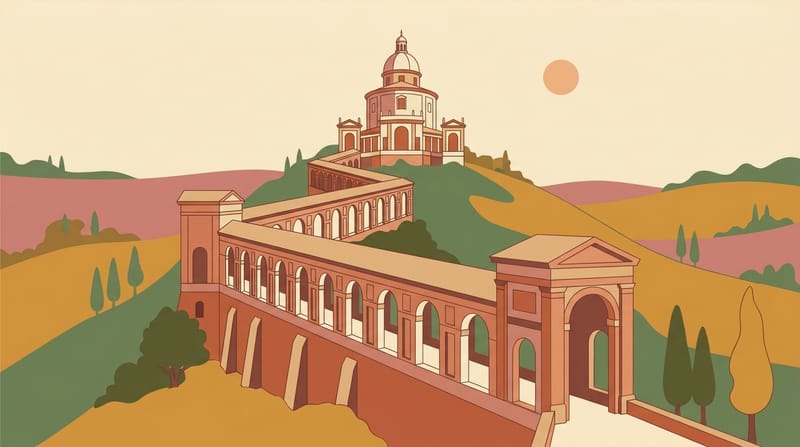
Sanctuary of Madonna di San Luca
What makes this hilltop sanctuary unforgettable is the UNESCO-listed portico running from Porta Saragozza with more than 600 arches. The walk is long and the final stretch steep, but the views over Bologna reward the effort.
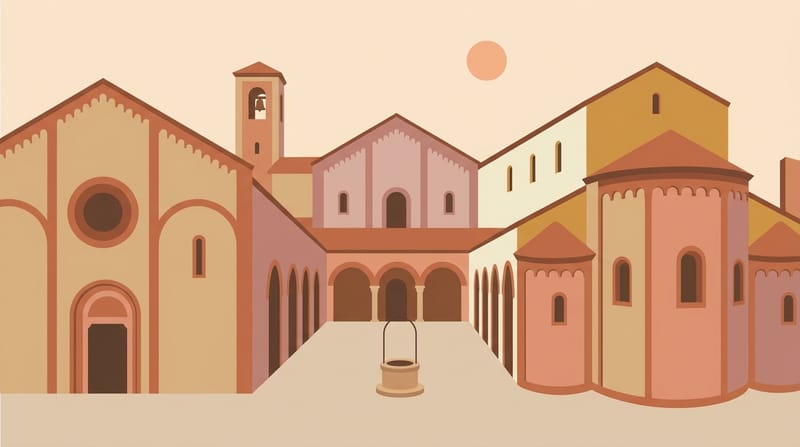
Santo Stefano Complex
Known as the “Seven Churches”, this Romanesque complex unfolds through interconnected churches, courtyards and monastic spaces. It is far more layered than its modest façade suggests, and Piazza Santo Stefano is one of Bologna’s loveliest squares.
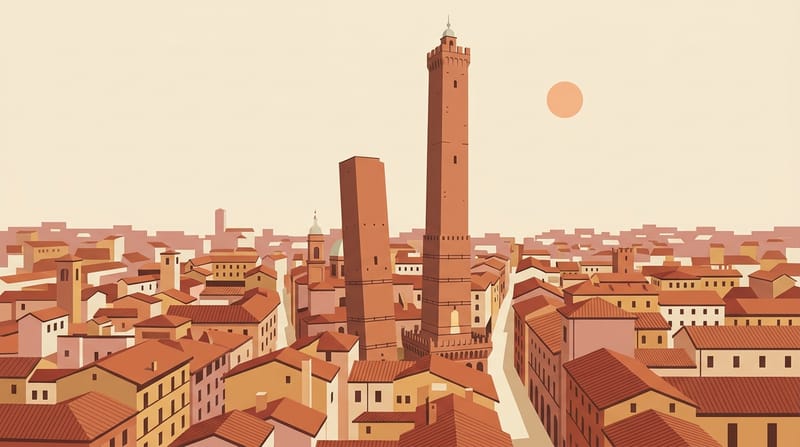
Asinelli and Garisenda Towers
Bologna’s most recognisable medieval silhouette. The 97-metre Asinelli and dramatically leaning Garisenda are still striking from street level, but as of August 2026 neither tower is open to visitors.
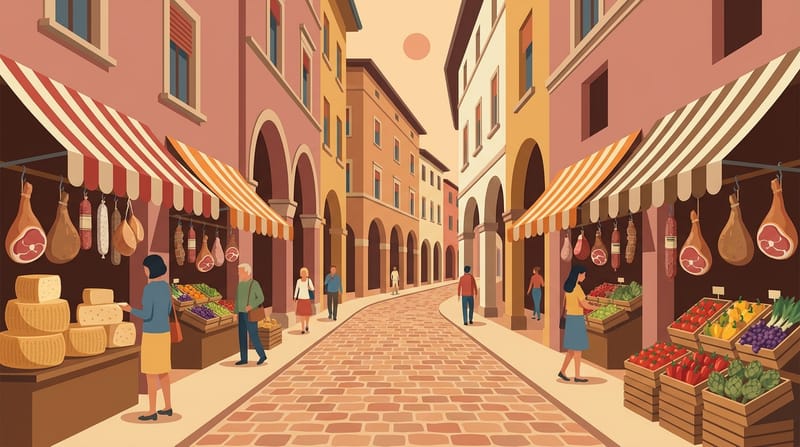
Quadrilatero Historic Market District
Just behind Piazza Maggiore, narrow medieval lanes packed with delicatessens, fresh-pasta shops and market counters put Bologna’s food culture directly on the street. Mornings feel more like a market; evenings shift toward aperitivo.
What to eat in Bologna
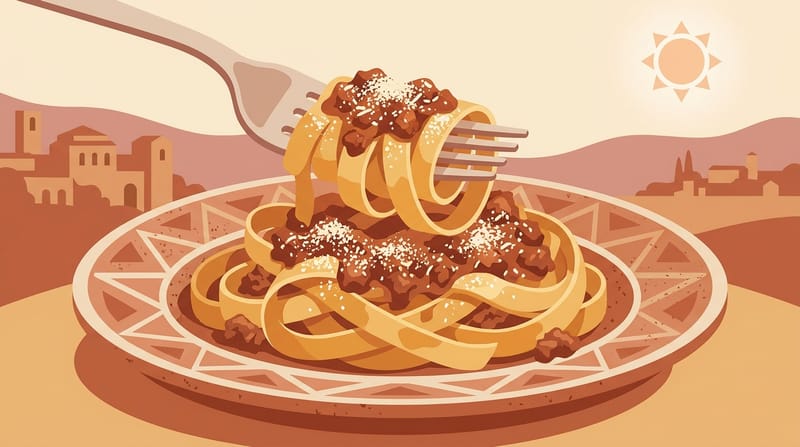
Tagliatelle with Bolognese Ragù
The real Bolognese classicFresh egg-pasta ribbons are coated in a slow-cooked meat ragù. In Bologna, order this instead of “spaghetti bolognese”; it is the clearest introduction to the city’s cooking.
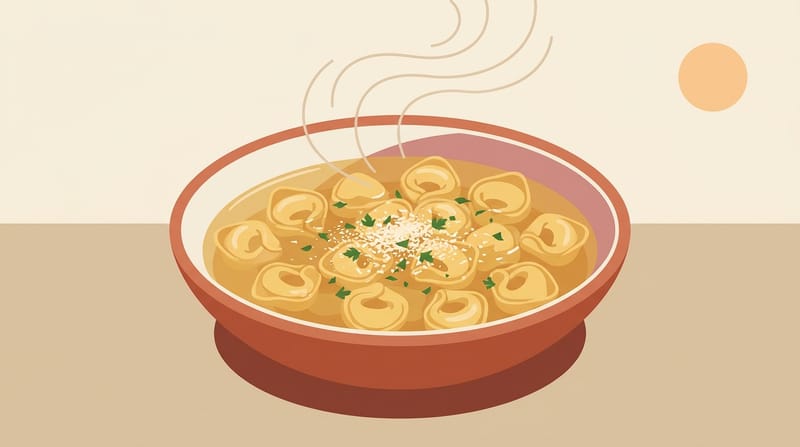
Tortellini in Broth
Bologna tradition in one tiny parcelThin egg pasta encloses pork, prosciutto, Mortadella Bologna, Parmigiano Reggiano and nutmeg, then the classic version is served in a rich meat broth. It is especially satisfying in cooler weather.
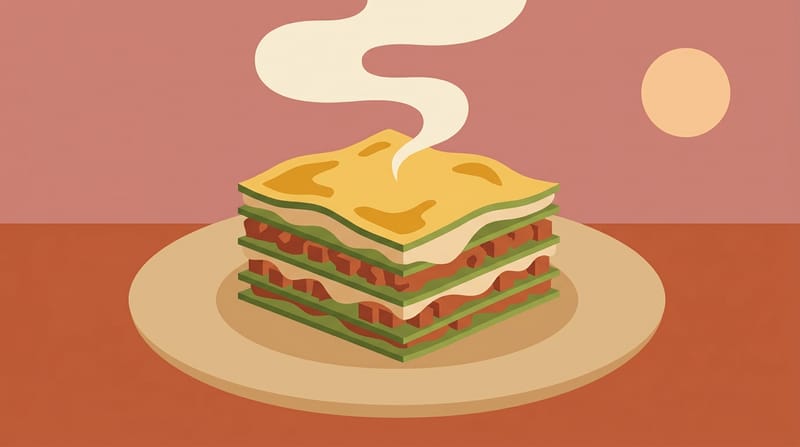
Green Lasagne Bolognese
Spinach pasta, ragù and béchamel in layersSpinach gives the pasta its green colour, while ragù, béchamel and Parmigiano Reggiano fill the layers. Rich but balanced, it is Bologna’s defining version of lasagne.
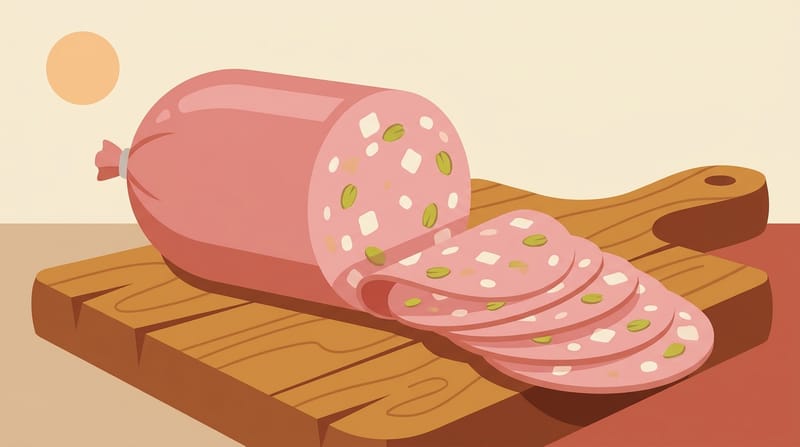
Mortadella Bologna PGI
The cured-meat classic carrying Bologna’s nameAuthentic Mortadella Bologna PGI is best sliced thin, with visible cubes of fat and a gently spiced aroma. Taste it at a deli counter or tuck it into a warm crescentina or panino.
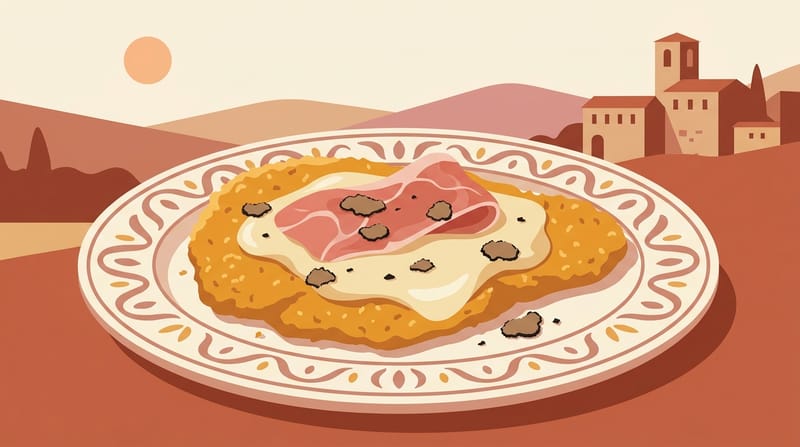
Bolognese-style Veal Cutlet
A rich cutlet finished with prosciutto and cheeseBreaded veal is fried in butter, topped with prosciutto and Parmigiano Reggiano, then briefly finished with meat stock. It is not a light dish, so factor in the portion if you have already eaten pasta.
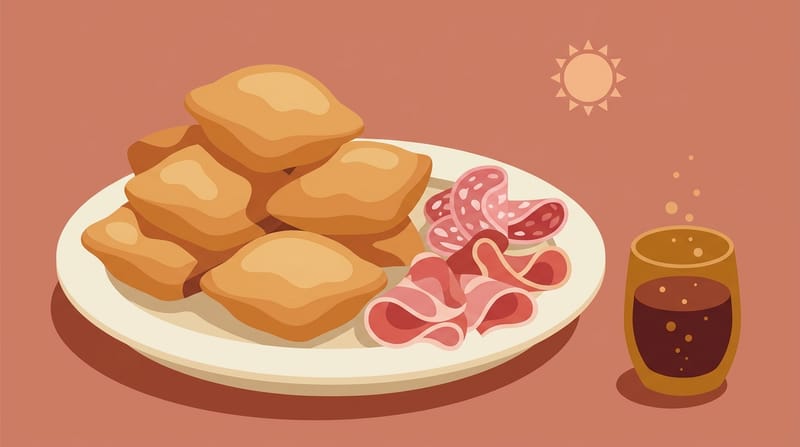
Fried Crescentine with Cured Meats
Hot fried dough, cool cured meatsAround Bologna, these puffed pieces of fried dough are called crescentine and arrive with mortadella, prosciutto, salame and soft cheeses. More of a sharing plate than a main course, they are ideal for aperitivo or a group table.
Where to stay
| Areas | Piazza Maggiore and QuadrilateroPrice: High | Santo StefanoPrice: High | University District and Via ZamboniPrice: Medium | Saragozza and San LucaPrice: Medium | Bologna Centrale and Via IndipendenzaPrice: Medium | BologninaPrice: Medium |
|---|---|---|---|---|---|---|
| Atmosphere | One of the easiest bases for first-time visitors to Bologna. Major historic sights, Quadrilatero’s food streets and central walking routes are right on your doorstep. | A balanced, atmospheric area for travellers who want to stay inside the historic centre but slightly away from the busiest flow around Piazza Maggiore. | A lively option for travellers who want student energy, cultural venues and a location integrated with the centre. Via Zamboni is the main spine of the university area. | A good choice for travellers who want a quieter, more residential and local base without completely leaving the centre behind. Access to the San Luca portico is a clear advantage. | The most practical transport base for early trains, day trips or short stays. From the station, the walking route toward the historic centre continues along Via Indipendenza. | An alternative north of the centre for travellers who want a more local and cosmopolitan neighbourhood experience. It has strong access to the station and toward BolognaFiere. |
| Best for | First time visitorsShort staysFood and drinkTravellers who want to walk everywhere | CouplesTravellers wanting a quieter centreHistory and architectureTravellers focused on walking | Young travellersNightlifeSolo travellersCulture and university atmosphere | Quieter staysCouplesFamiliesTravellers planning the San Luca walk | Frequent train travellersEarly departuresShort staysDay trips | Travellers wanting a more local neighbourhoodLonger staysTrade fair visitorsTravellers comfortable staying outside the centre |
| Accommodation profile | PriceHighNightlifeHighWalkabilityHigh | PriceHighNightlifeMediumWalkabilityHigh | PriceMediumNightlifeHighWalkabilityHigh | PriceMediumNightlifeLowWalkabilityMedium | PriceMediumNightlifeMediumWalkabilityHigh | PriceMediumNightlifeMediumWalkabilityMedium |
| Transport | Many central sights can be visited on foot.Bologna Centrale is reachable via the Via Indipendenza corridor by city bus or on foot. | Walking is a strong option for sightseeing in the centre.City buses along Strada Maggiore and nearby streets connect the area with other parts of Bologna. | Strong walking access to the eastern side of the centre.Bus connections are available around Via Irnerio and San Donato. | City buses run along Via Saragozza.From the section closer to the centre, Piazza Maggiore is walkable; buses are more useful for accommodation farther west. | Direct BLQ connection by Marconi Express.Best location for regional and high-speed rail.Many city bus routes pass around the station. | Bologna Centrale is reachable on foot or by a short bus ride.Access toward BolognaFiere and northern neighbourhoods is convenient. |
| Advantages |
|
|
|
|
|
|
| Consider |
|
|
|
|
|
|
Planning notes.
Researched recommendations, practical information and route decisions.
- Combine Piazza Maggiore, San Petronio and the Archiginnasio in one walk.
- Walk the porticoed route from Porta Saragozza toward San Luca at least once.
- Dedicate one meal to fresh egg pasta; tagliatelle al ragù or tortellini in brodo are excellent starting points.
- Do not hunt for “spaghetti bolognese”; the local classic is tagliatelle served with ragù.
- Do not treat an Asinelli Tower climb as guaranteed; it is closed in August 2026, so check the latest status before you go.
- Do not squeeze Bologna into a rushed stop between Florence and Venice; the centre deserves at least one full day.
- The historic centre is compact; link most major sights on foot and save public transport for farther stops such as San Luca.
- Do not panic over rain; Bologna’s long porticoes make walking around the centre surprisingly manageable in wet weather.
- If you want a table at a popular trattoria in the evening, especially on Friday or Saturday, do not leave the reservation until the last minute.
Bologna map
What will it cost me?
Figures are per-person daily USD estimates compiled from BudgetYourTrip, Numbeo and recent traveller reports. Flight/ferry tickets not included.
✓ Budget figures are planning estimates; accommodation, restaurant and transport prices can vary with dates, events and booking time. · Last updated: Aug 2026
How many days?
Choose the best route for your schedule.
What to know before you go.
Tourist traps, SIM, money, taxis, safety, health, transit and language — the city in eight answers.
The Quadrilatero is great fun, but do not overpay just for a table closest to Piazza Maggiore. Check the menu and prices before sitting down; a few streets away it is easy to find more local, better-value options.
scamBologna is generally easy to explore; the main tourist concern is pickpocketing in crowds and on public transport. Do not keep your phone in a back pocket, keep bags closed and watch your belongings around the station at busy times.
safetyTap water is drinkable, so you can refill a reusable bottle. Carry water with you on hot summer days. Italy’s single emergency number is 112.
healthTourists do not need a special transport card. An urban ticket costs €2.30 and is valid for 75 minutes; you can also tap a contactless bank card on the green validator for the same fare. Using the same card lets the system apply daily and weekly best-fare caps.
cardEnglish will get you through most situations in the tourist centre. Still, using “buongiorno”, “per favore”, “grazie” and “il conto, per favore” when asking for the bill immediately makes interactions warmer.
languageBologna: weather and crowds by month
🎒 What to pack
- ✔ Walking shoes
- ✔ Power adapter
- ✔ Jacket
- ✔ Layers
- ✔ Umbrella
FLIGHTS
Airport to city
Marconi ExpressBologna Centrale
About 7–7.5 minutes; service runs roughly 05:40–00:00.
Best for: Travellers wanting the fastest direct BLQ–Bologna Centrale connection, especially those transferring to trains.
Limitations: The monorail does not run between 00:00 and 05:40; Line Q is used during those hours. During heavy demand or technical disruption, the operator may announce replacement buses.
♿ Accessible
↗ Official sourceTPER Line QDuring the day: Ospedale Maggiore; on selected night and early-morning services: Bologna Centrale
The airport’s official page gives about 30 minutes for the BLQ connection; TPER states a 30-minute frequency.
Best for: Travellers looking for a cheaper option than Marconi Express, or needing a Centrale connection after midnight or early in the morning.
Limitations: During the day the main terminus is Ospedale Maggiore; direct extensions to Bologna Centrale operate only on selected night and early-morning services. An onward transfer may be needed for the city centre.
↗ Official sourceBologna: frequently asked questions
Can you currently visit Bologna’s Asinelli and Garisenda towers?
What is the walk to the Sanctuary of San Luca under Bologna’s porticoes like?
Which parts of Bologna’s UNESCO porticoes are most worthwhile for a first visit?
Why is Bologna’s Quadrilatero a good area for tagliatelle al ragù, tortellini and mortadella?
Can Piazza Maggiore, San Petronio and the Archiginnasio be visited on one walk?



You may also like
.jpg?width=120)