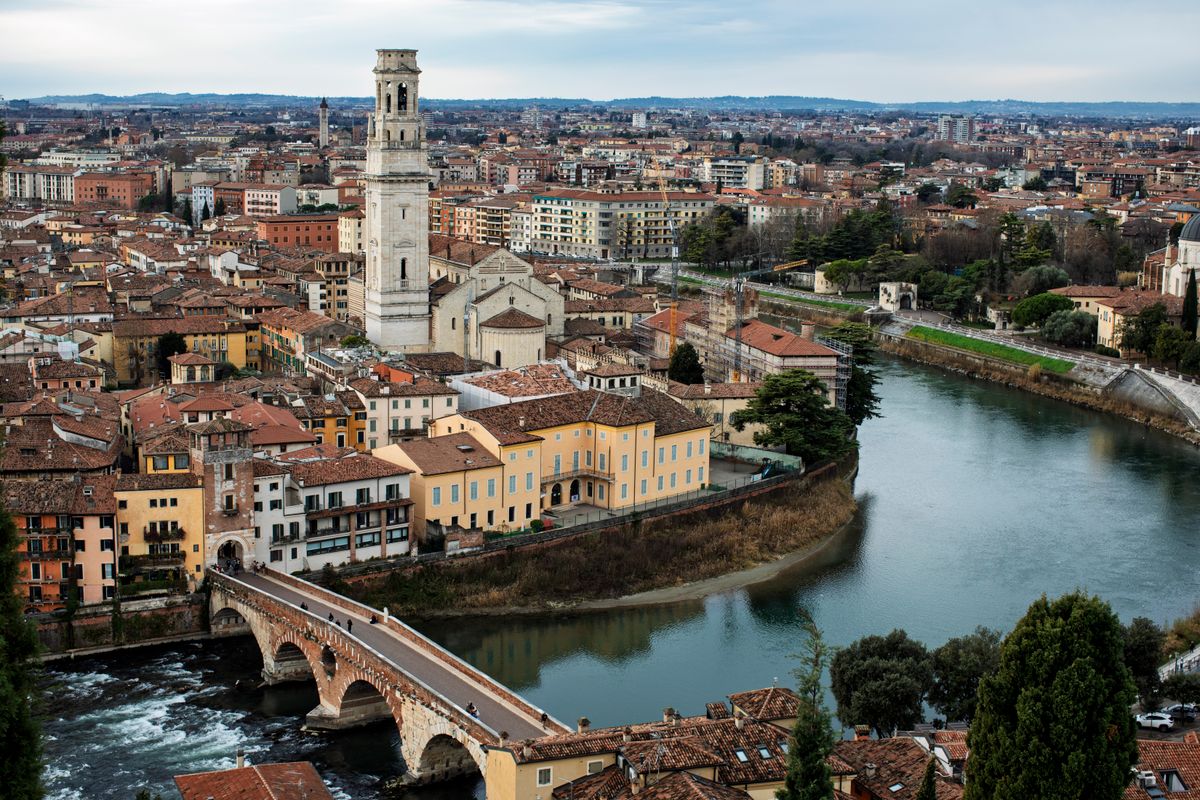
Verona Travel Guide
Roman heritage, stone bridges and lively squares along the Adige
Last updated: 2026-09-05
The city's 24-hour rhythm.
Turn the dial to any hour and it tells you where you should be.
The market square comes alive
By late morning, Piazza delle Erbe is in full swing. Stalls, cafés and historic façades fill the same view, giving you plenty of atmosphere without the heavier evening crowds.
Verona: places to visit
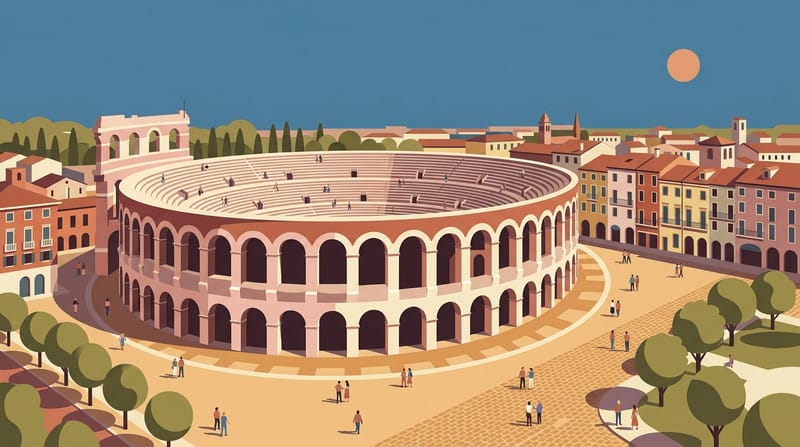
Verona Arena
This Roman amphitheatre in the heart of Piazza Bra is Verona’s defining landmark. By day you can explore its stone tiers and arches; on summer evenings it becomes the setting for the city’s world-famous opera tradition.
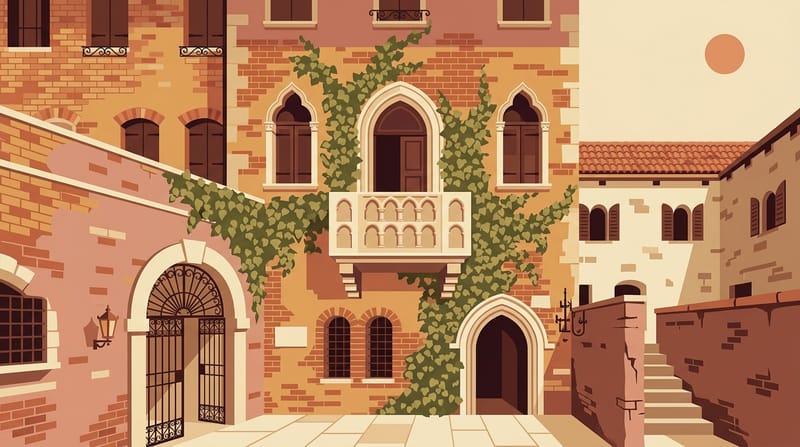
Juliet’s House
This medieval house, forever linked with Shakespeare’s story, is one of Verona’s most visited sights thanks to its famous balcony courtyard. Beyond the romance, the museum rooms, period furnishings and the city’s literary connection make it worth seeing.
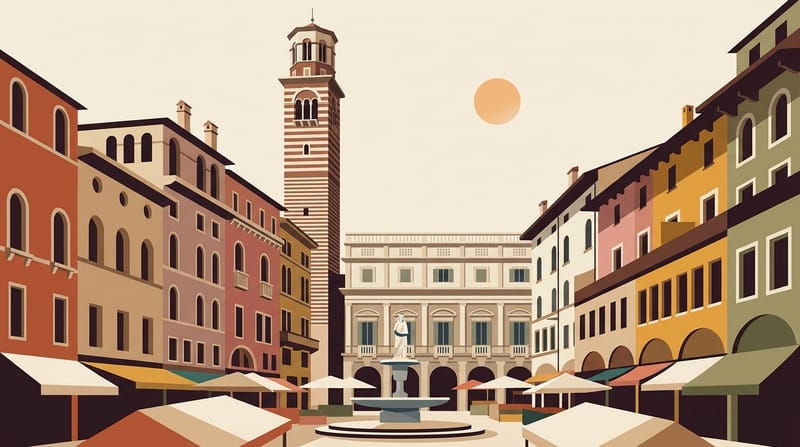
Piazza delle Erbe and Lamberti Tower
Piazza delle Erbe occupies the site of the Roman forum and remains the lively heart of the old town, framed by frescoed façades. Climb the 84-metre Lamberti Tower beside it for a sweeping view over rooftops, church towers and the Adige.
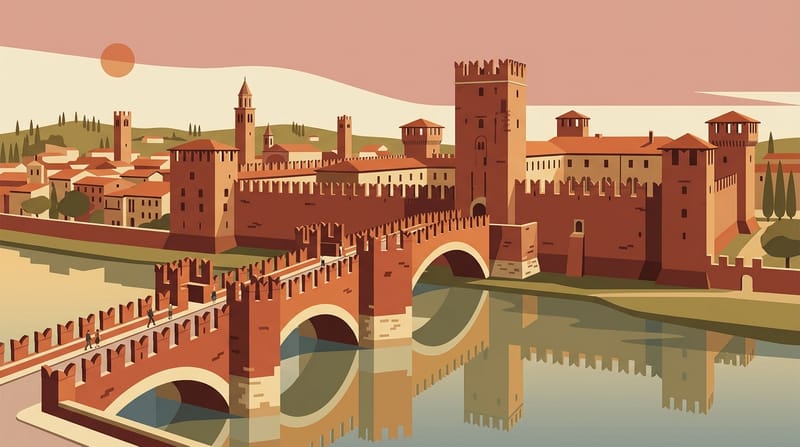
Castelvecchio Museum and Scaliger Bridge
This 14th-century Scaliger fortress is now one of Verona’s essential art museums. Carlo Scarpa’s masterful museum design is as compelling as the medieval and Renaissance works; afterwards, walk across the red-brick Scaliger Bridge over the Adige.
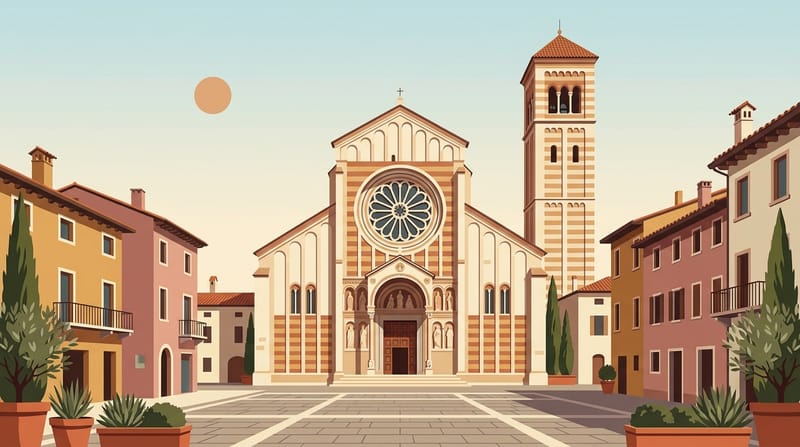
Basilica of San Zeno
One of Italy’s finest Romanesque churches, the basilica is dedicated to Verona’s patron saint, San Zeno. Its bronze doors, rose window, peaceful cloister, crypt and celebrated triptych by Andrea Mantegna make the short walk beyond the busiest centre well worthwhile.
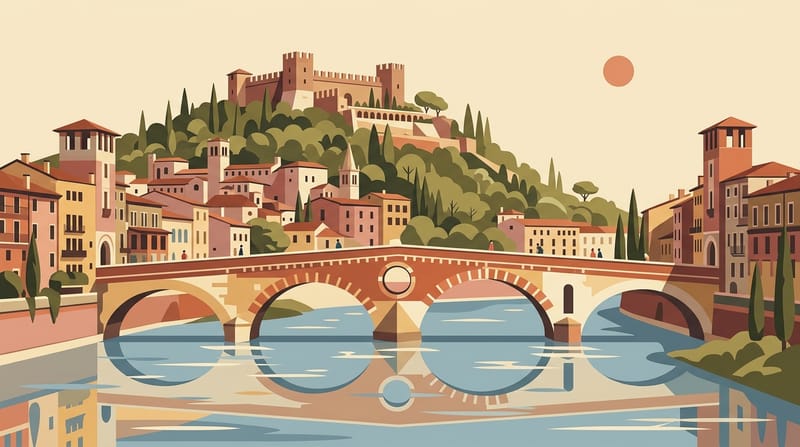
Ponte Pietra and Castel San Pietro
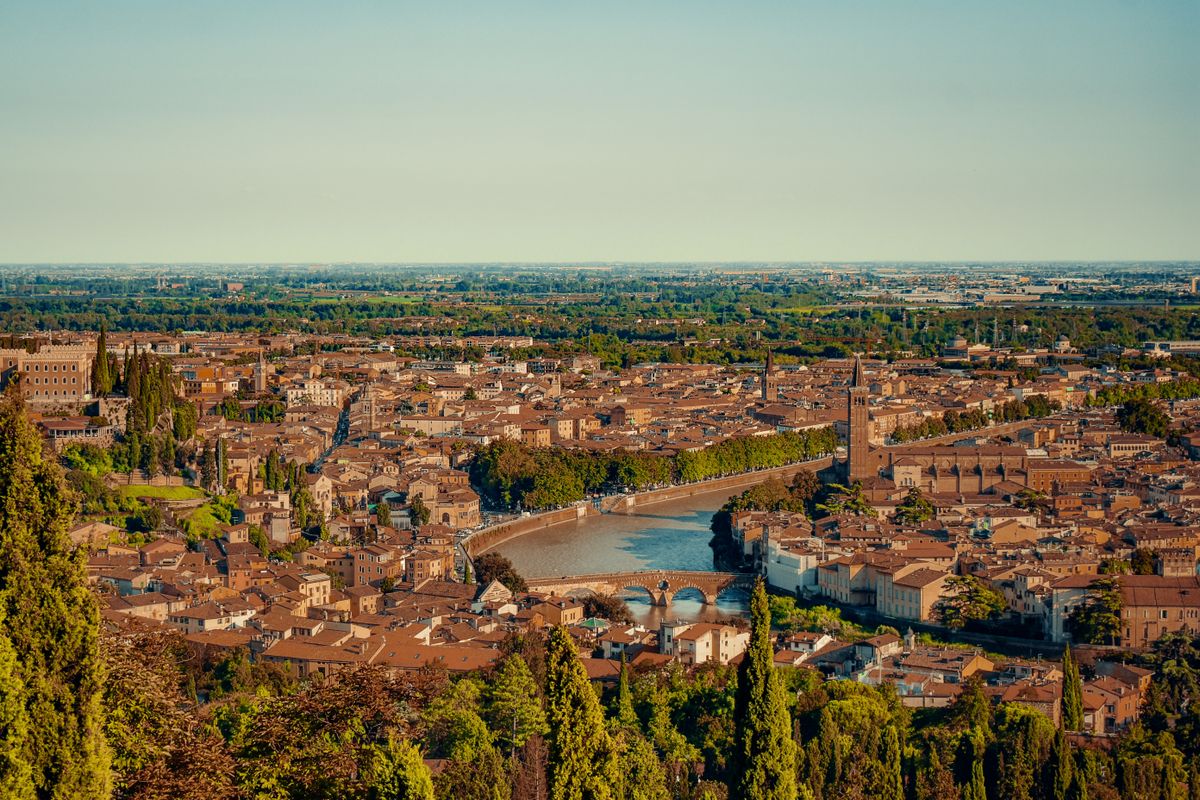
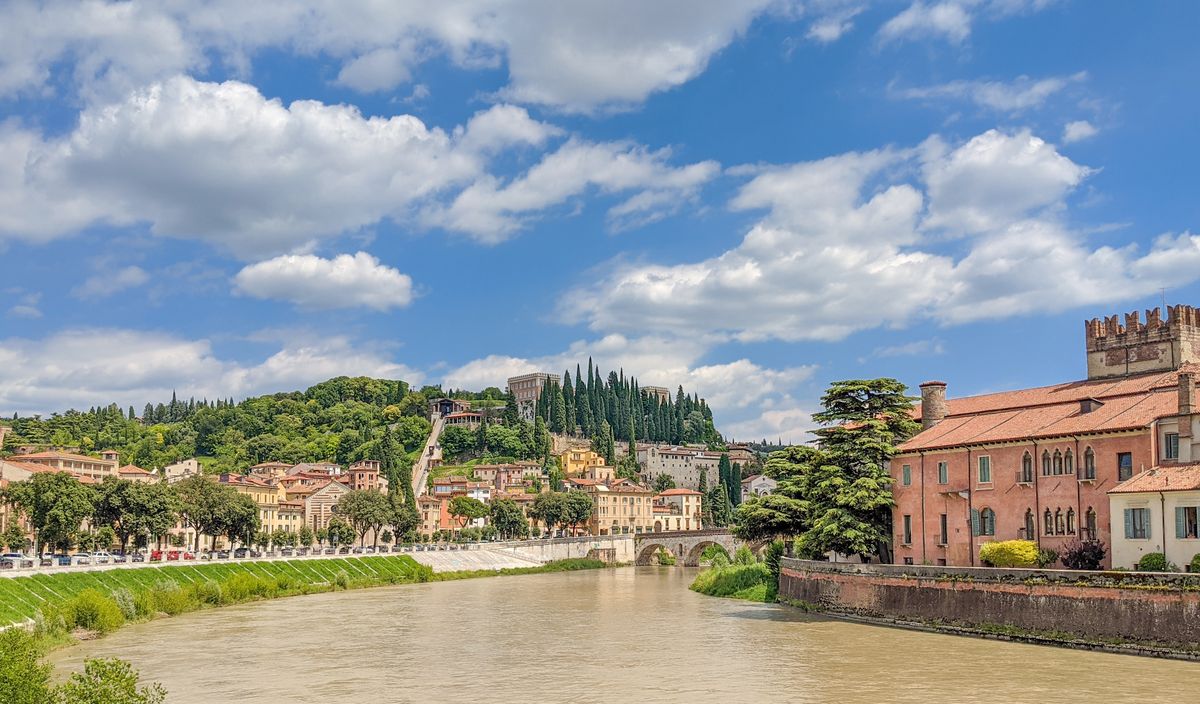
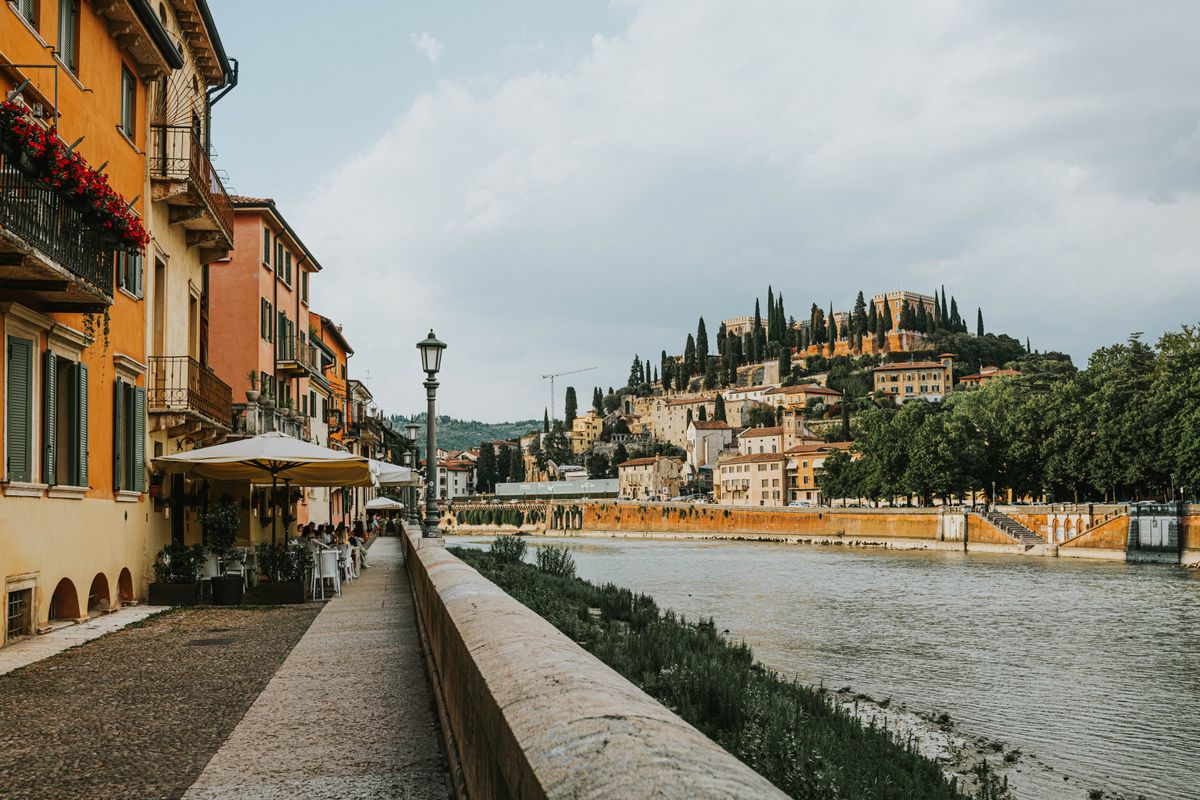
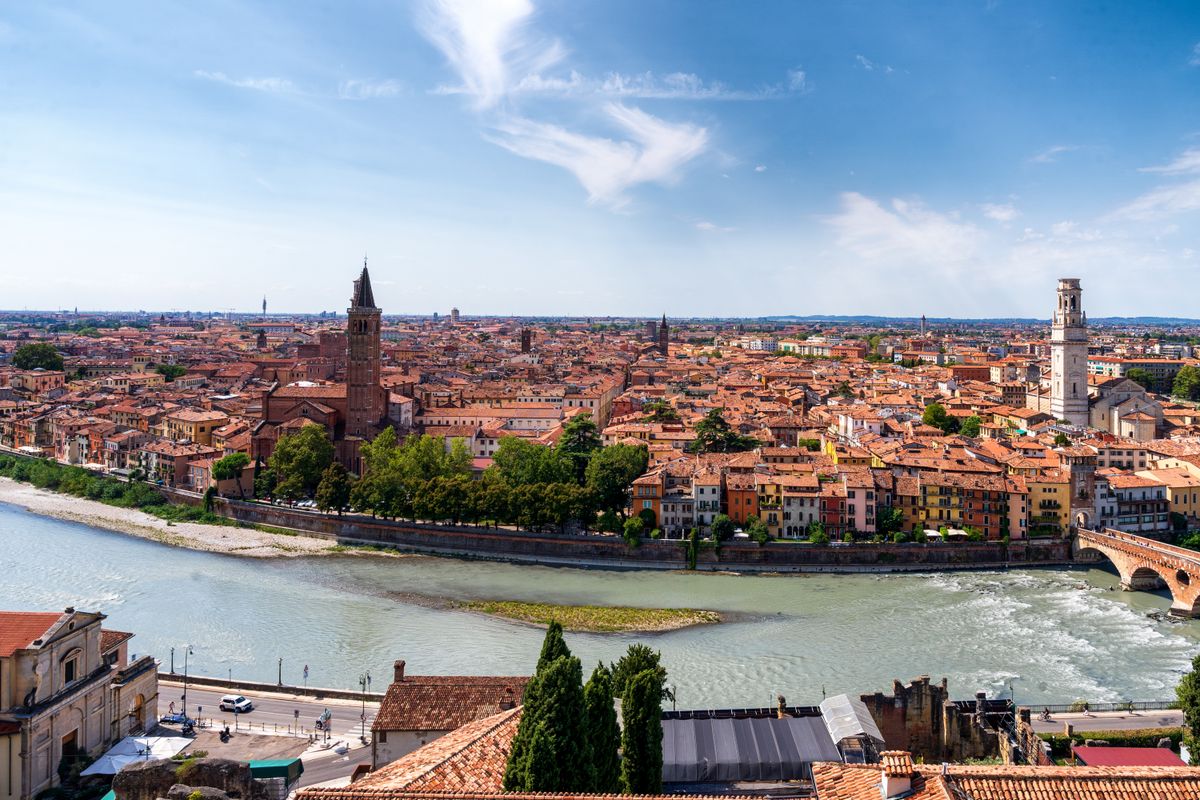
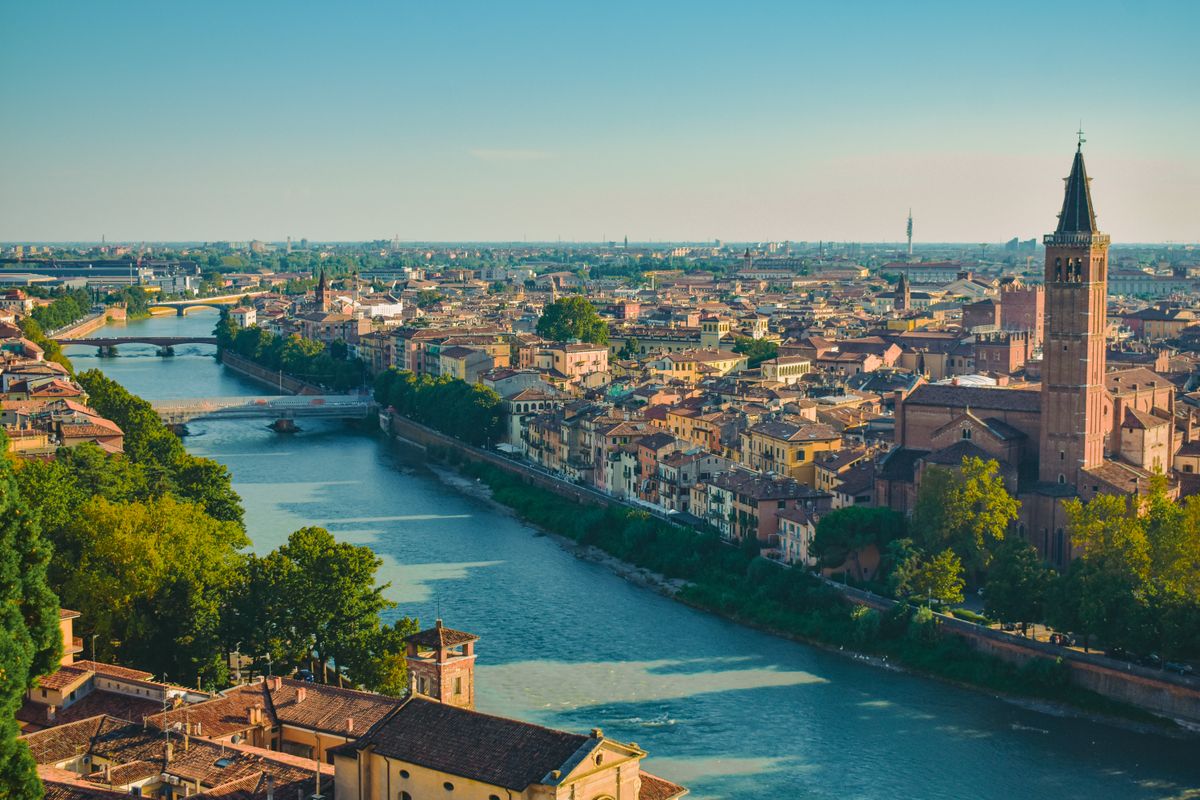
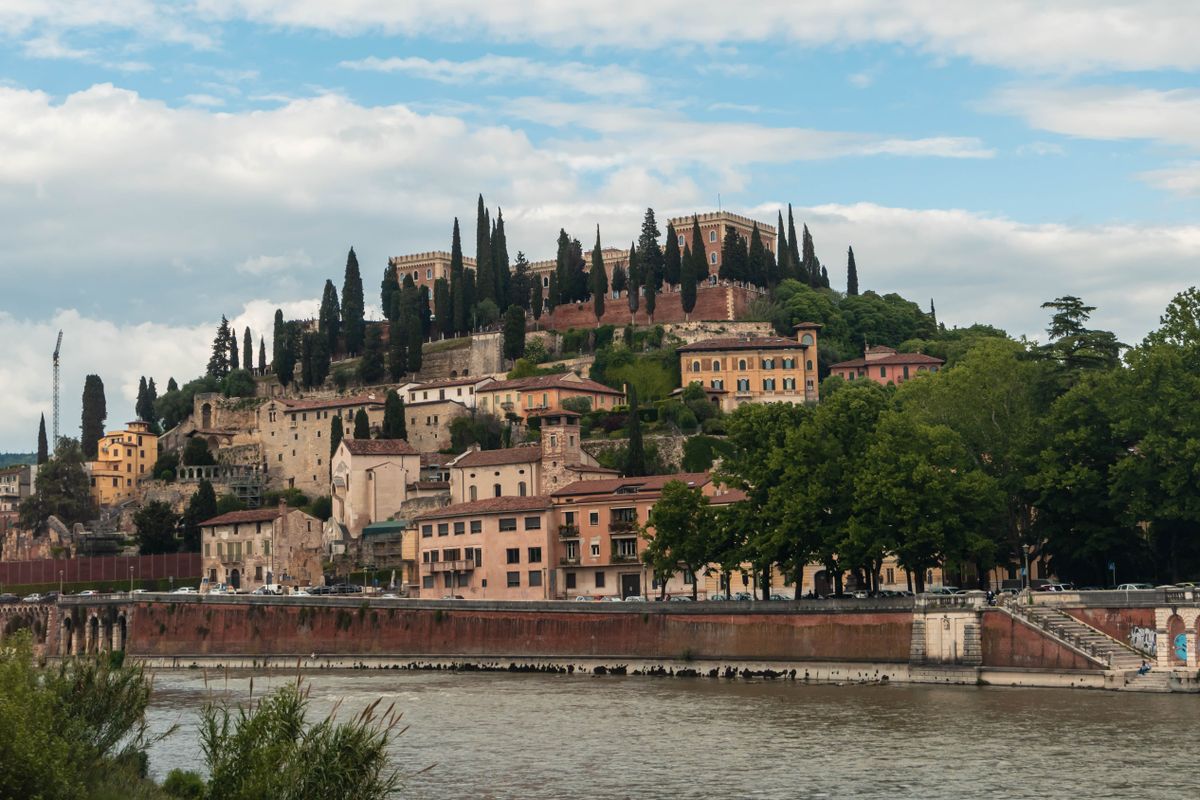
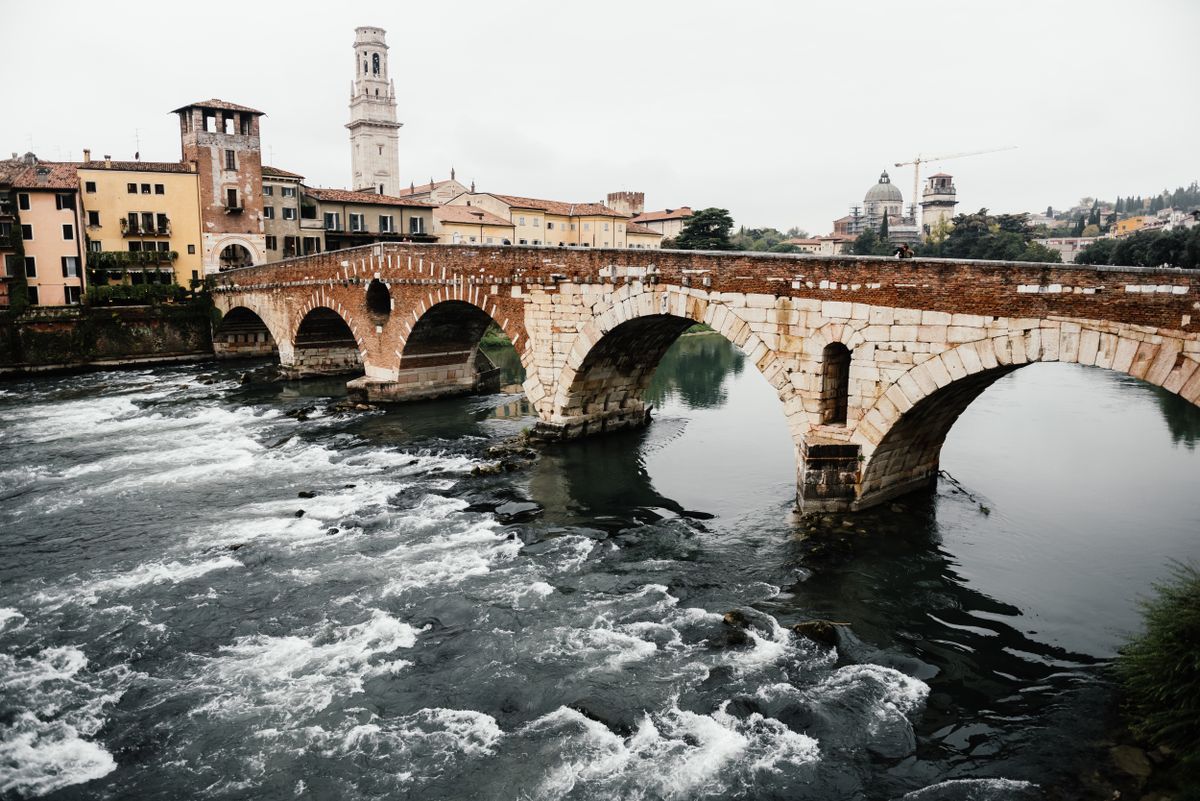
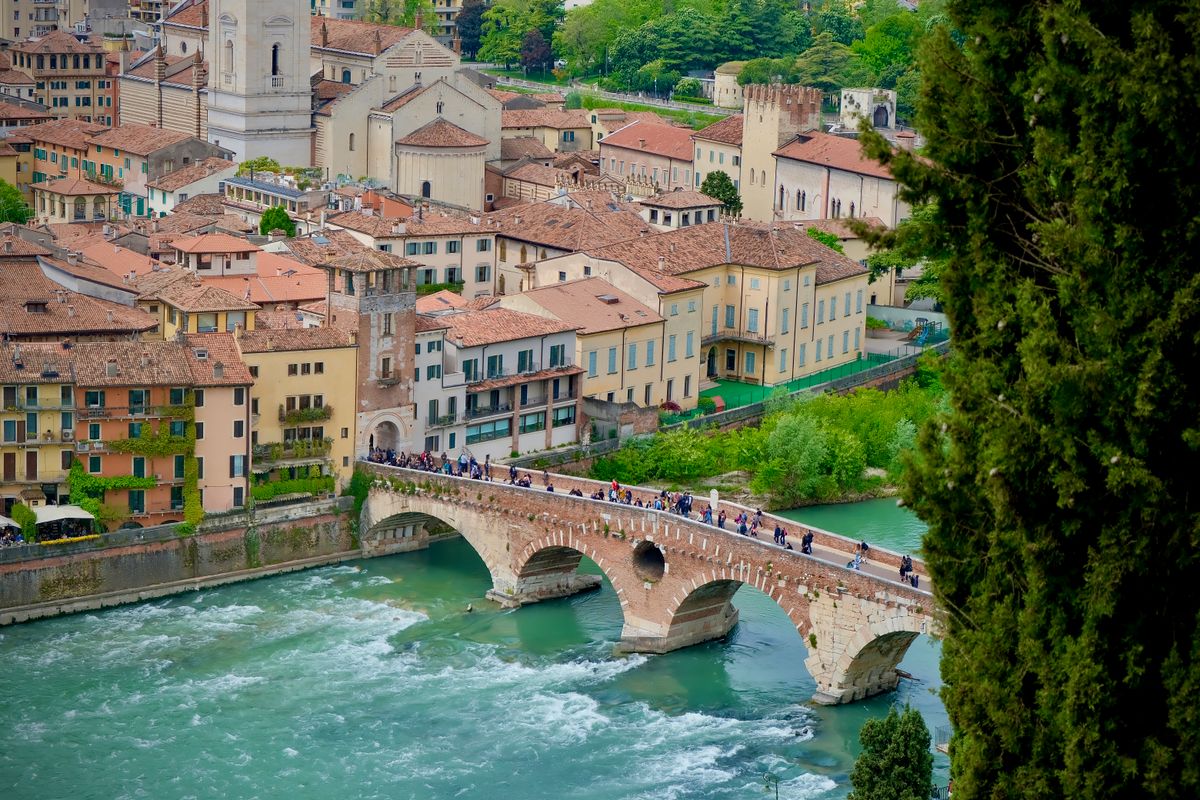
Walk across historic Ponte Pietra over the Adige and climb to Castel San Pietro for one of Verona’s finest panoramas. The castle interior is not open to visitors; the real reward is the free terrace overlooking the bridges, red-roofed old town and the river’s curve.
What to eat in Verona
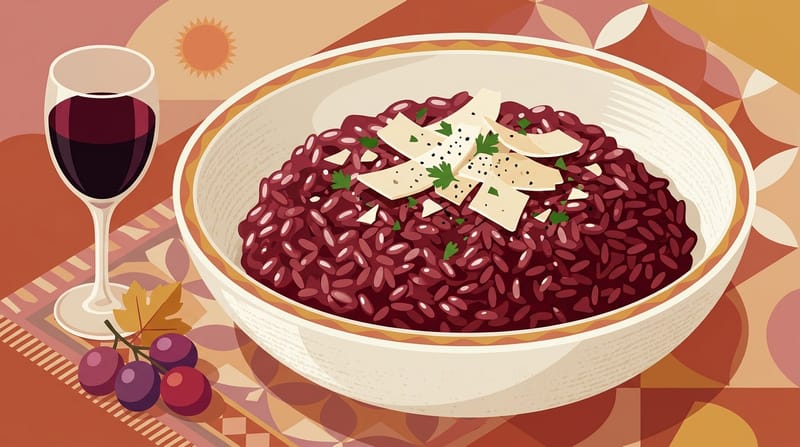
Amarone Risotto
Verona’s great wine, turned into risotto.A deep-coloured, creamy risotto made with Vialone Nano rice, Amarone della Valpolicella and Monte Veronese cheese. The wine’s acidity is balanced by the richness of the cheese, making it one of the strongest first-course choices for a distinctly Veronese meal.
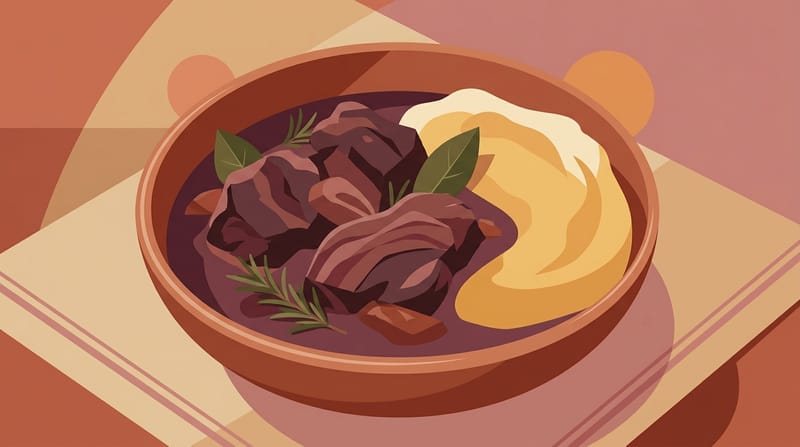
Pastissada de Caval
Verona’s old slow-cooked classic.A traditional horse-meat stew slowly cooked with red wine, onions, vegetables and spices. Usually served with polenta or gnocchi, it is rich, robust and one of the most distinctive dishes in Veronese cooking, especially in cooler weather.
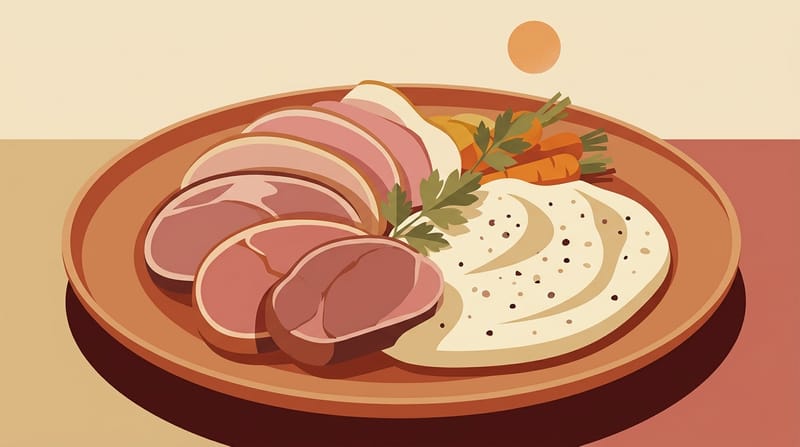
Bollito with Pearà
The peppery pearà is the real signature.Mixed boiled meats are served with pearà, a thick Veronese sauce made from meat broth, breadcrumbs and plenty of black pepper. It looks simple, but is far less common outside the city and remains one of Verona’s most distinctive home-style classics.
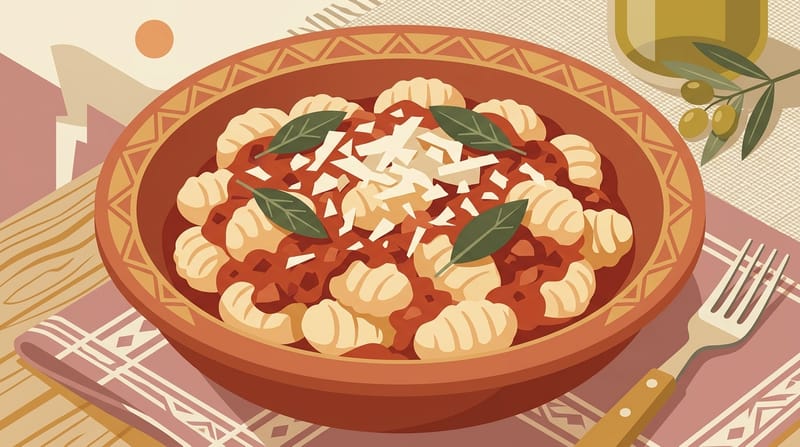
Veronese Gnocchi
Verona Carnival on a plate.Potato gnocchi are closely tied to Verona’s Carnival tradition. Eating homemade gnocchi on Venerdì Gnocolar remains a strong local custom, with sauces ranging from tomato and ragù to butter and cheese or pastissada de caval.
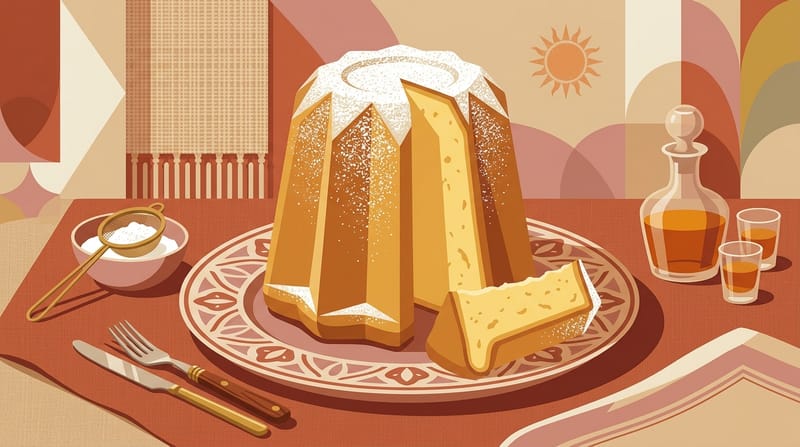
Pandoro
Verona’s golden cake, now known worldwide.The modern recipe for this soft, buttery, eight-pointed star-shaped cake was patented in Verona by Domenico Melegatti in 1894. Served with a generous dusting of icing sugar, Pandoro is especially prominent in bakery windows during the Christmas season.
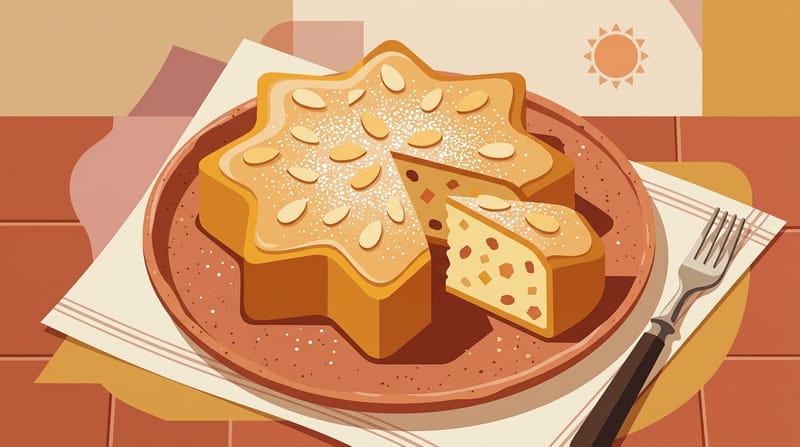
Nadalin
Older than Pandoro and even more local.Nadalin is an old Veronese Christmas cake, flatter and more rustic in shape than Pandoro. Its buttery, slightly dense crumb and sugary almond topping make it especially appealing in winter and a great choice for travellers seeking a genuinely local sweet.
Where to stay
| Areas | Città AnticaPrice: High | Cittadella and Porta NuovaPrice: Medium | San ZenoPrice: Medium | VeronettaPrice: Medium | Borgo TrentoPrice: Medium |
|---|---|---|---|---|---|
| Atmosphere | The historic core around the Arena, Piazza delle Erbe, Juliet’s House and Ponte Pietra. For a first-time visitor with limited time, it delivers the most classic Verona experience with the least need for transport. | The corridor between the area south of Piazza Bra and Verona Porta Nuova station. A balanced base for travellers who want to walk to the historic centre while keeping rail and airport connections convenient. | A historic neighbourhood west of Castelvecchio around the Basilica di San Zeno. It offers a good balance for travellers who want to remain walkable to the centre while staying in a quieter area with a stronger neighbourhood feel. | A youthful, cultural neighbourhood on the left bank of the Adige, stretching between Ponte Pietra and the Porta Vescovo area. It suits travellers looking for a less touristy atmosphere, alternative bars and a university setting. | A predominantly residential district on the north-western bank of the Adige, linked to the historic centre via Ponte Garibaldi and Ponte della Vittoria. A strong option for travellers who want to stay close to the centre in a quieter setting. |
| Best for | First-time visitorsShort city breaksTravellers who want to walk to historic sights | Travellers arriving by trainThose who prioritise airport connectionsTravellers who want to walk downtown while staying near the station | Travellers seeking a quieter stayThose who want a local neighbourhood atmosphereRepeat visitors | Travellers seeking a more local atmosphereThose who like a young and lively neighbourhoodTravellers who want to explore Veronetta and Castel San Pietro | Travellers who want quiet accommodationThose who prefer a residential neighbourhoodFans of Art Nouveau architecture |
| Accommodation profile | PriceHighNightlifeMediumWalkabilityHigh | PriceMediumNightlifeMediumWalkabilityHigh | PriceMediumNightlifeLowWalkabilityHigh | PriceMediumNightlifeHighWalkabilityHigh | PriceMediumNightlifeLowWalkabilityHigh |
| Transport | Most routes within the city can be done on footReachable from Porta Nuova station by city bus or taxi | Close to Verona Porta Nuova main railway stationAirLink 199 airport bus departs from Porta NuovaThe centre is walkable via Corso Porta Nuova | Walking connection to Castelvecchio and the historic centreCity buses connect it with the centre and station area | Walkable to the centre via Ponte Pietra, Ponte Nuovo and Ponte NaviUrban public transport connections are available toward Porta Vescovo | Walk to the centre via Ponte Garibaldi and Ponte della VittoriaCity buses connect it with the centre and other neighbourhoods |
| Advantages |
|
|
|
|
|
| Consider |
|
|
|
|
|
Planning notes.
Researched recommendations, practical information and route decisions.
- See the Verona Arena not only by day, but again when Piazza Bra lights up in the evening.
- Walk from Piazza delle Erbe to Ponte Pietra and follow the Adige riverfront.
- Go up to the Castel San Pietro viewpoint for a panorama over the historic centre.
- Do not drive into the historic centre without checking the current ZTL access rules.
- Do not let the busiest hours around Juliet's House define your whole impression of Verona.
- Do not stay only around the main squares and skip Veronetta and the San Zeno area entirely.
- The centre is compact; with comfortable shoes you can link most major sights on foot.
- If you plan several paid museums and monuments, compare the current Verona Card coverage and price first.
- Piazza Bra gets much busier on Arena event nights, so time dinner around the performance crowds.
Verona map
What will it cost me?
Figures are per-person daily USD estimates compiled from BudgetYourTrip, Numbeo and recent traveller reports. Flight/ferry tickets not included.
✓ Treat the budget figures as planning estimates rather than fixed prices. Accommodation, events and restaurant costs can shift noticeably with the season, weekends and the Arena programme, so checking current prices before booking is the safest approach. · Last updated: Sep 2026
How many days?
Choose the best route for your schedule.
What to know before you go.
Tourist traps, SIM, money, taxis, safety, health, transit and language — the city in eight answers.
Don’t make Juliet’s House the centrepiece of your day. Since 1 April 2026, entry has required advance online booking through the official system, with no tickets sold on site. The area can get very crowded around midday, so choose your time slot in advance.
scamVerona is generally easygoing for visitors, but normal pickpocket precautions are sensible around the Arena, Piazza delle Erbe, Porta Nuova station and crowded buses. Keep your bag closed, avoid leaving your phone on the edge of a table and carry valuables in front of you in dense crowds.
safetyTap water is safe to drink, and the city publishes a map of public drinking-water fountains. In hot weather, especially in summer, avoid long periods in direct sun between 11:00 and 18:00 and drink water regularly.
healthThe centre is compact and most sights are easy to reach on foot. ATV urban bus tickets are valid for 90 minutes after validation, and day tickets are available. From 1 September 2026, the Verona Card with urban buses costs €33 for 24 hours or €38 for 48 hours; the transport-free digital version is cheaper.
cardYou can manage most basic situations in the tourist centre in English, but a few Italian phrases go a long way: “Buongiorno” for hello or good morning, “Per favore” for please, “Grazie” for thank you, and “Il conto, per favore” when you want the bill.
languageVerona: weather and crowds by month
🎒 What to pack
- ✔ Walking shoes
- ✔ Power adapter
- ✔ Jacket
- ✔ Layers
- ✔ Umbrella
FLIGHTS
Airport to city
ATV Verona AirLink 199Verona Porta Nuova railway station
About 15 minutes in the current timetable; the airport transport page presents it as a direct service linking the airport with Porta Nuova.
Best for: Solo travellers or couples looking for an economical and direct connection toward the station or city centre
Limitations: It does not drop you directly at your hotel; from Porta Nuova you may need to walk to the historic centre or transfer to a city bus or taxi.
↗ Official sourceOfficial airport taxisVerona city centre and your accommodation address
Travel time varies with traffic and the exact address; because the official airport page does not give a fixed number of minutes, no fixed duration is stated.
Best for: Small groups with heavy luggage, late arrivals, or travellers who want to go directly to the hotel door
Limitations: More expensive than AirLink; because the official source does not publish a fixed city-centre fare, the price should be confirmed before the journey.
↗ Official sourceVerona: frequently asked questions
Do I need to book in advance to visit Juliet’s House and the famous balcony in Verona?
Can I visit the Verona Arena during the day, or do I need an opera ticket?
Is the Verona Card actually useful for the Arena, Juliet’s House and the city’s main sights?
Should I walk up to the Castel San Pietro viewpoint, or do I need to take the funicular?
Are Juliet’s House, Romeo’s House and Juliet’s Tomb in the same place, and which ones can I visit?
Nearby routes



You may also like
.jpg?width=120)