

Hoi An Travel Guide
A town of lanterns, yellow facades and slow evenings by the river
Last updated: 2026-09-05
The city's 24-hour rhythm.
Turn the dial to any hour and it tells you where you should be.
Pause for cao lầu
Instead of pushing through the midday heat, stop for cao lầu or cơm gà at a local restaurant. It makes the hottest part of the day much easier.
Hoi An: places to visit

Hoi An Ancient Town
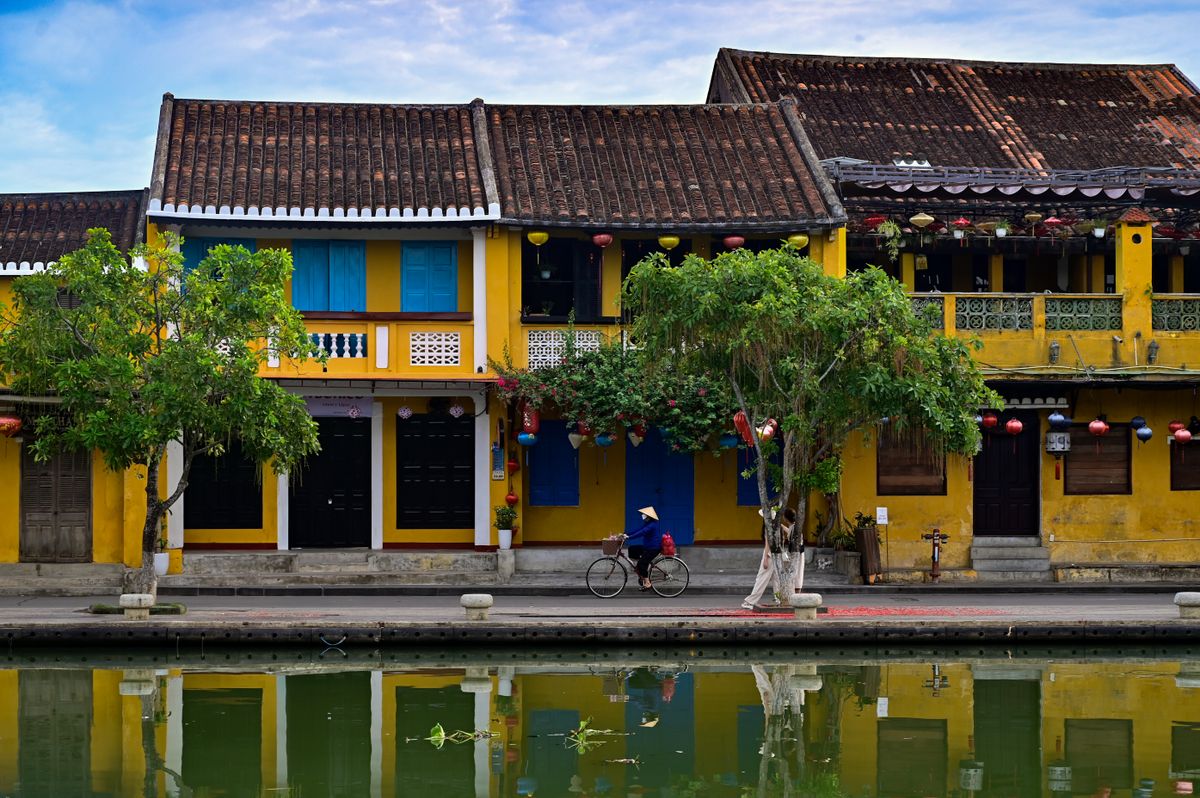
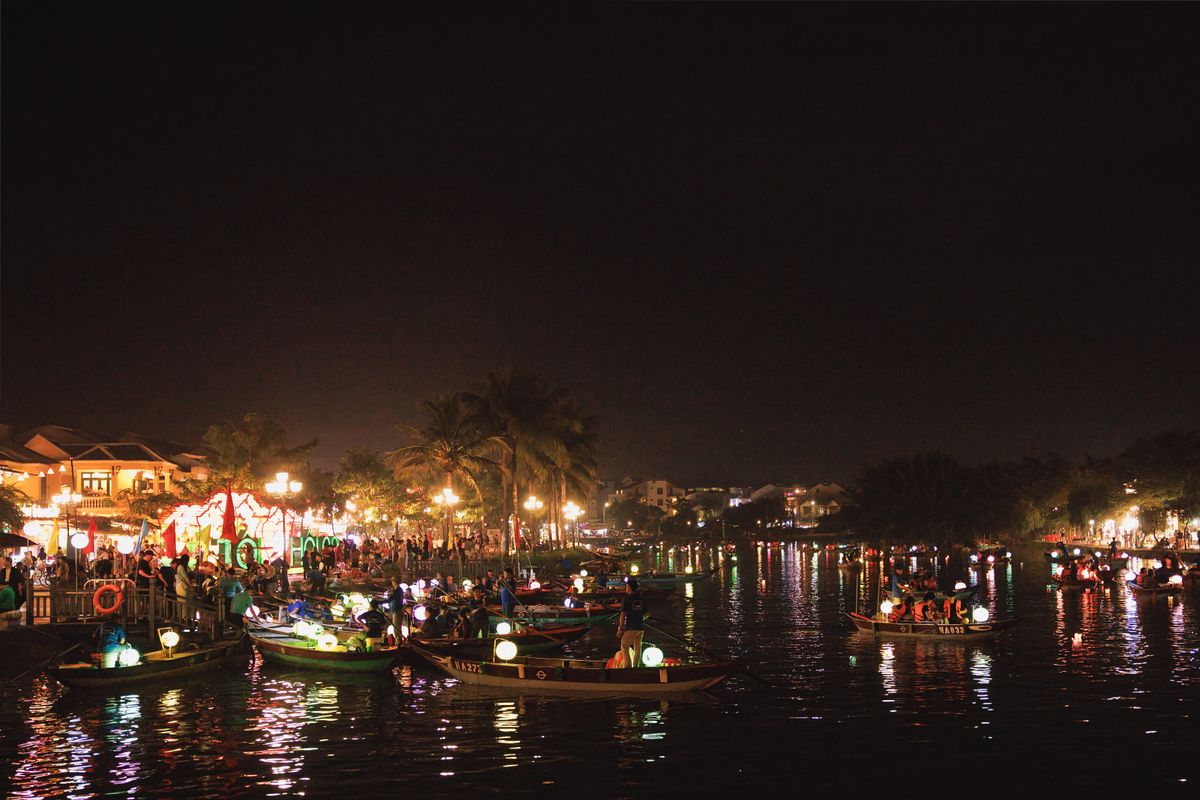
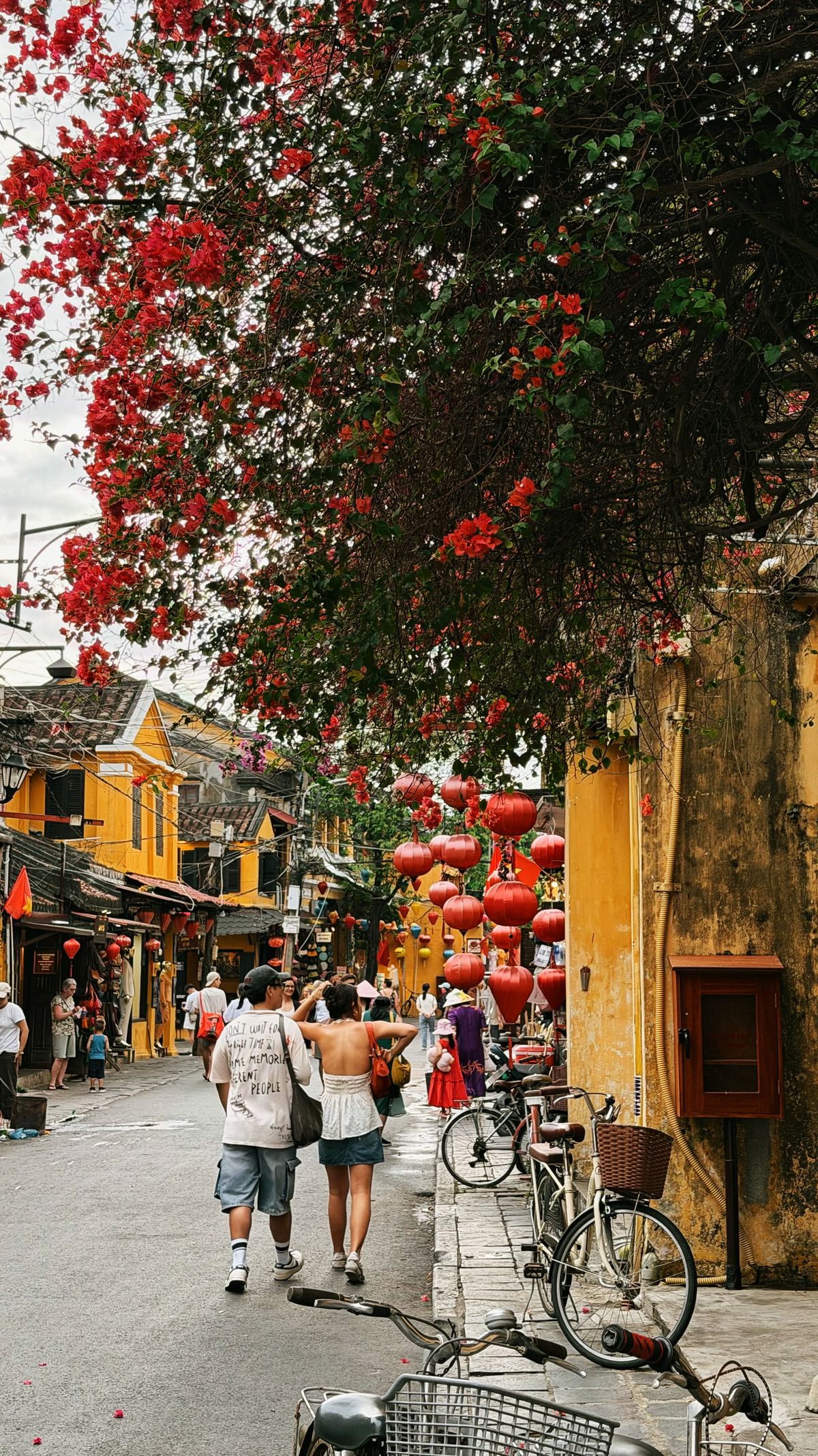
The UNESCO-listed former trading port is Hoi An’s heart, filled with yellow facades, timber houses, Chinese assembly halls and lantern-lit evenings. Walk it once early in the morning and again after dark for two very different moods.

Japanese Covered Bridge
This covered wooden bridge, dating back to the early 17th century, symbolizes Hoi An’s historic Japanese merchant community. After a major restoration completed in 2024, it is again one of the town’s defining landmarks.

An Bang Beach
About 4 km from the Ancient Town, An Bang is Hoi An’s best all-round beach for swimming, sunrise and an easy seaside break. Early morning or late afternoon is usually the most pleasant time.

Tra Que Vegetable Village
A living farming village with more than four centuries of cultivation, vivid herb beds and family plots still worked every day. It was named among UN Tourism’s Best Tourism Villages in 2024.

Bay Mau Coconut Forest
A network of waterways through nipa palms in Cam Thanh, explored in traditional round basket boats. It is fun but highly touristic, so an early start gives a calmer experience.

Thanh Ha Pottery Village
A peaceful craft village where a pottery tradition of roughly 500 years is still alive. Watch artisans at the wheel and try shaping a small piece of clay yourself.
What to eat in Hoi An

Cao lầu
Hoi An in a bowlThick, chewy rice noodles are served with char-siu-style pork, fresh herbs, bean sprouts and crisp toppings. There is only a little concentrated sauce, so it is not a soup. If you try just one local dish in Hoi An, start here.

White Rose Dumplings
Delicate wrappers, shrimp and a truly local recipeAlso called bánh bao bánh vạc, these steamed rice-flour dumplings are folded into flower-like shapes. They are usually filled with shrimp, topped with crisp shallots and served with a light sweet-sour dipping sauce.
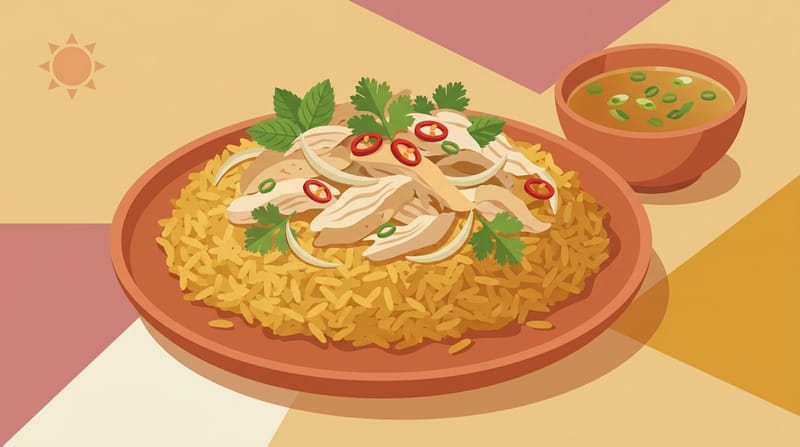
Hoi An Chicken Rice
Turmeric rice with hand-shredded chickenCơm gà Hội An combines yellow rice cooked in chicken stock and turmeric with shredded chicken, herbs, onion and papaya salad. Light but satisfying, it is one of the town’s classic lunch dishes.

Bánh mì Hội An
Crisp bread, layered fillings and bold sauceHoi An-style bánh mì packs pâté, meat, pickles, cucumber, coriander and house sauces into a thin, crackly baguette. Shops such as Phượng and Madam Khánh helped turn the town’s version into an international food icon.
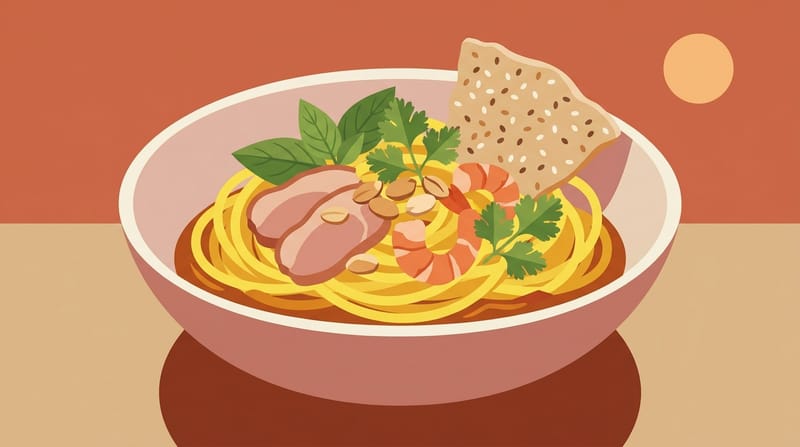
Mì Quảng
Quảng Nam’s rich, barely brothy noodle bowlWide turmeric-tinted noodles come with a small amount of intensely flavoured broth, pork or shrimp, peanuts, herbs and sesame rice crackers. It is regional rather than uniquely Hoi An, but it is one of Quảng Nam’s essential dishes.

Fried Hoi An Wontons
A Chinese-Vietnamese echo of the old trading portHoành thánh chiên features crisp fried wontons topped with a tomato-based sweet-sour sauce and, depending on the kitchen, shrimp or meat. It is one of the clearest culinary reminders of Hoi An’s historic Chinese trading links.
Where to stay
| Areas | Ancient Town / Minh AnPrice: High | Cẩm ChâuPrice: Medium | Cẩm ThanhPrice: Medium | An Bàng / Cẩm AnPrice: Medium | Cửa ĐạiPrice: High |
|---|---|---|---|---|---|
| Atmosphere | The easiest base for first-time visitors. The UNESCO heritage core, riverfront, lantern-lit evenings and main historic buildings are on your doorstep, but the area is also busier throughout the day and especially in the evening. | A balanced location between the Ancient Town, countryside and coast. Good for travellers who want to escape the noise of the centre while still reaching the Ancient Town, Tra Que and the beach by bicycle. | A distinctly greener and quieter base, shaped by nipa palms, waterways and village scenery. Best for travellers who do not need the Ancient Town on their doorstep every day and prefer a resort or homestay rhythm. | The strongest option for travellers who want the beach at the centre of daily life. Homestays and seaside accommodation define the area; the Ancient Town is about 3 km inland, so you need to move between town and sea. | A good fit for travellers seeking a more resort-oriented seaside stay. Official Hoi An sources describe Cửa Đại as a coastal gateway about 4 km away, with beach resorts concentrated in the area. |
| Best for | First-time visitorsTravellers who want to explore on footShort staysEvening atmosphere | Balanced locationCyclistsQuieter eveningsLonger stays | Nature and quietCouplesResort and homestay experienceRural atmosphere | Beach-focused holidaysCouplesCafés and seaside atmosphereLonger stays | Resort holidaysFamiliesBeach and pool priorityQuiet away from the centre |
| Accommodation profile | PriceHighNightlifeHighWalkabilityHigh | PriceMediumNightlifeLowWalkabilityMedium | PriceMediumNightlifeLowWalkabilityLow | PriceMediumNightlifeMediumWalkabilityMedium | PriceHighNightlifeLowWalkabilityMedium |
| Transport | Walking is the main way to get around the centre.Bicycle, Grab or taxi are practical for the beach and countryside. | Bicycle is particularly useful in this area.Short vehicle trips may be needed for the Ancient Town and beach. | Cycling is a good daytime option.Grab or taxi is more practical for evening returns from the Ancient Town. | The Ancient Town is about 3 km away; bicycle or a short Grab/taxi ride works well.The beachfront area is easy to explore on foot. | The Ancient Town is about 4 km away; bicycle, Grab or hotel shuttle may work well.Walking around Cửa Đại is mainly beach-oriented. |
| Advantages |
|
|
|
|
|
| Consider |
|
|
|
|
|
Planning notes.
Researched recommendations, practical information and route decisions.
- Walk through the Ancient Town by day, then return when the lanterns light up at night.
- Cycle through the rice fields and around Tra Que.
- Try cao lầu, white rose dumplings and a good Hoi An-style bánh mì.
- Avoid booking riverside accommodation in October or November without checking the weather outlook.
- Do not try to rush through every sight during the Ancient Town’s busiest hours.
- Do not choose a tailor based only on how quickly they promise to deliver.
- The drive from Da Nang Airport to Hoi An usually takes less than an hour.
- The Ancient Town is compact: walk in the center and use a bicycle for the countryside and beach.
- If your visit overlaps with the full moon, reach the riverfront before sunset for the lantern festivities.
Hoi An map
What will it cost me?
Figures are per-person daily USD estimates compiled from BudgetYourTrip, Numbeo and recent traveller reports. Flight/ferry tickets not included.
✓ Treat the budget figures as planning estimates, not fixed prices. Accommodation, tailoring, tours and transfers can vary noticeably by season, location and booking date, and daily costs often rise during festivals and peak periods. · Last updated: Sep 2026
How many days?
Choose the best route for your schedule.
What to know before you go.
Tourist traps, SIM, money, taxis, safety, health, transit and language — the city in eight answers.
Do not automatically trust pushy street referrals for tailors, tours or basket boats. Confirm the fabric, total price and any extras first; for expensive tailoring, staged payment is safer than paying everything before delivery.
scamThe tourist center is generally easygoing, but keep an eye on your phone and wallet in crowds. Motorbikes can approach quietly in narrow streets, and during the wet season take flood warnings around the river seriously.
safetyDo not drink tap water. Use sealed bottled water or reliably filtered water. On hot, humid days protect yourself from the sun, drink regularly and carry mosquito repellent, especially in the evening.
healthHoi An has no separate city transit card that visitors need. The Ancient Town is best explored on foot; use a bicycle for the beach and countryside, and Grab or taxis for longer trips.
cardEnglish is widely understood in tourism businesses. Still, a little Vietnamese goes a long way: “xin chào” means hello and “cảm ơn” means thank you.
languageHoi An: weather and crowds by month
🎒 What to pack
- ✔ Walking shoes
- ✔ Power adapter
- ✔ Umbrella
- ✔ Sunscreen
- ✔ Hat
- ✔ Light clothing
FLIGHTS
Airport to city
01SB Da Nang Airport – Hoi AnHoi An, Cửa Đại boat-station parking area
The current official route page does not publish a fixed journey time; operating hours and frequency are adjusted according to flight schedules and airport capacity.
Best for: Travellers who want direct public transport from the airport to Hoi An without taking a taxi.
Limitations: The route terminates on the Cửa Đại side, so last-mile transport to the Ancient Town or your hotel may be required. Because service patterns depend on flight schedules, check the official network again on the day of travel.
↗ Official sourceGrabCar airport pickupYour chosen hotel or address in Hoi An
No fixed official journey time is published; the app shows the route and estimated arrival time when you book.
Best for: Travellers with luggage who want a direct, door-to-door ride without transfers.
Limitations: Prices vary with traffic, demand and vehicle type. At the terminal, follow the app to the official GrabCar pickup lane.
↗ Official source