Bali Travel Guide
Island of the Gods: Mystic Temples & Paradise Beaches
Last updated: 2026-09-05
The city's 24-hour rhythm.
Turn the dial to any hour and it tells you where you should be.
Market & Crafts
Stroll through colorful stalls filled with textiles, carvings, and spices.
Bali: places to visit

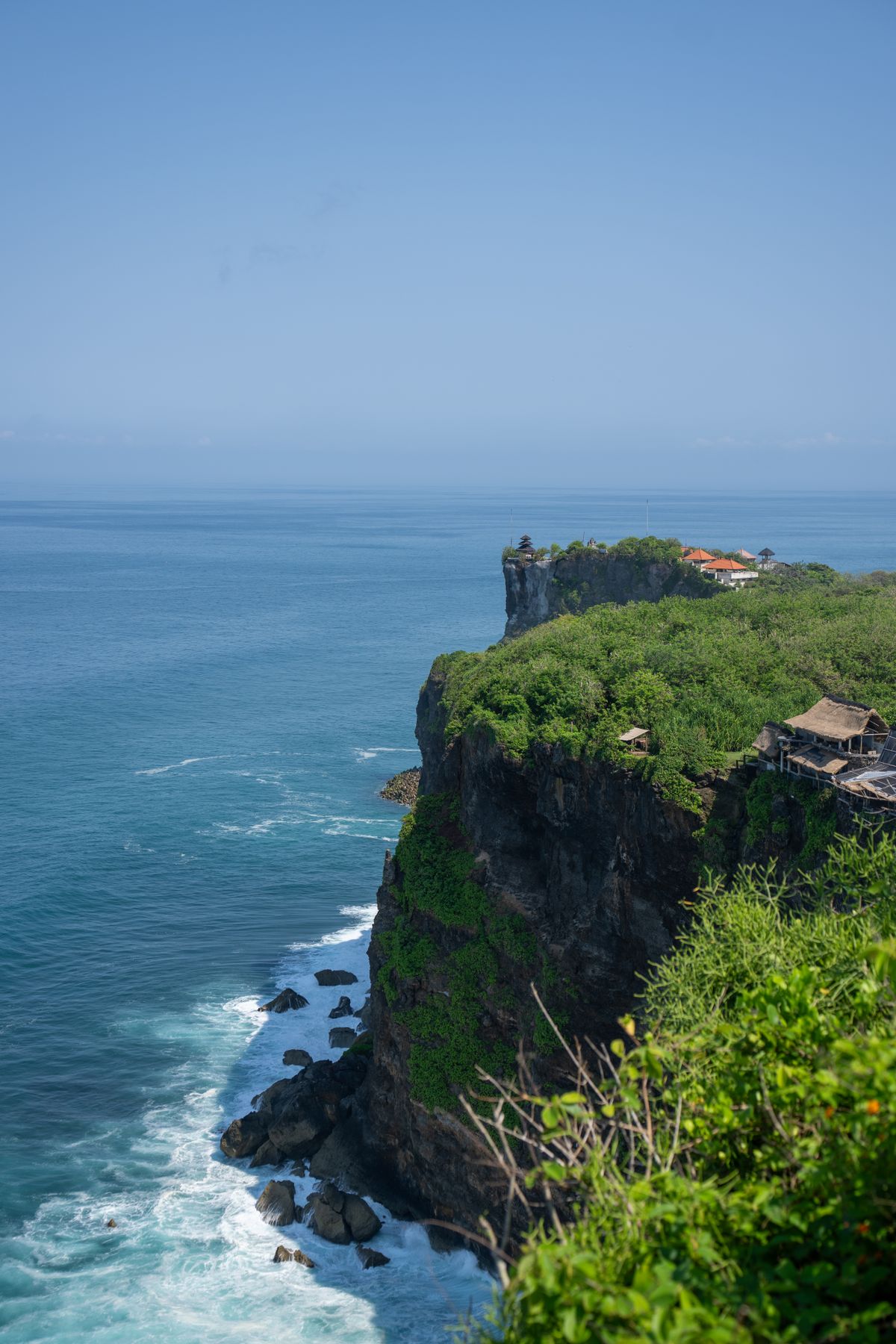
Uluwatu Temple
Iconic cliffside sea temple offering breathtaking ocean views and sunset Kecak dance.

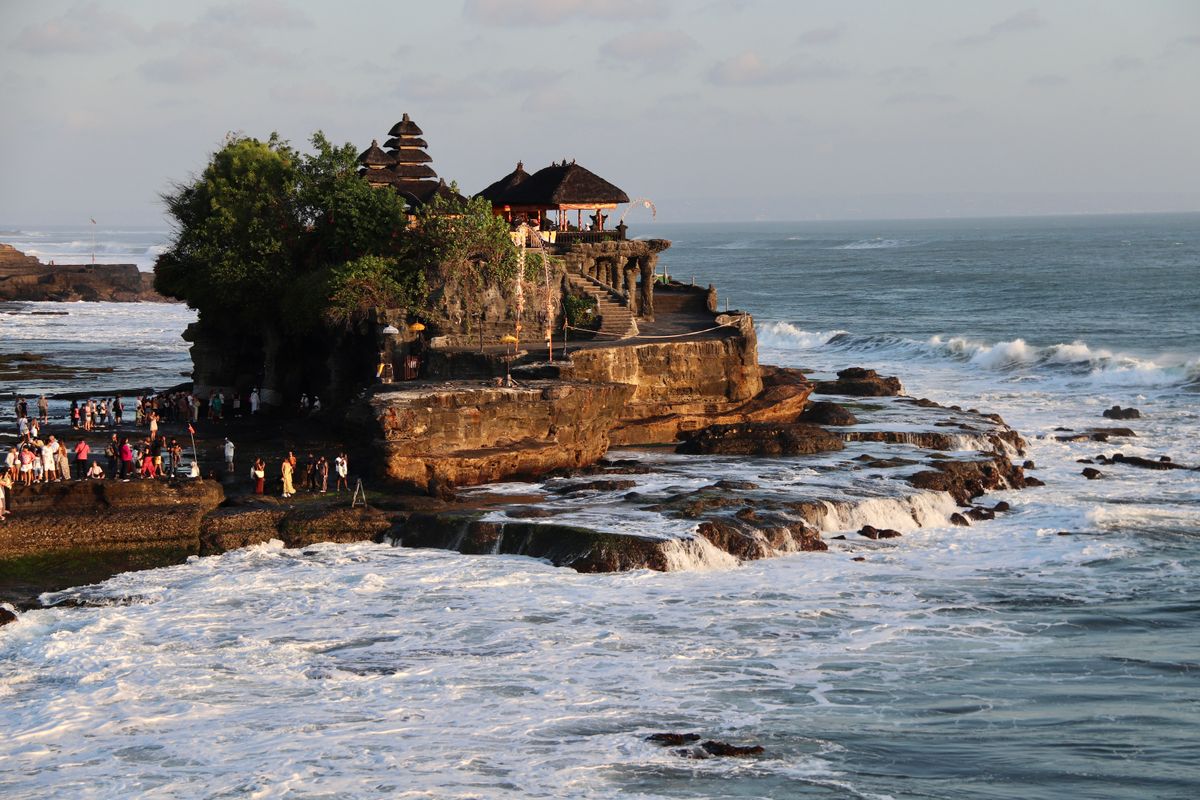
Tanah Lot Temple
Mystic offshore rock temple surrounded by crashing ocean waves at sunset.

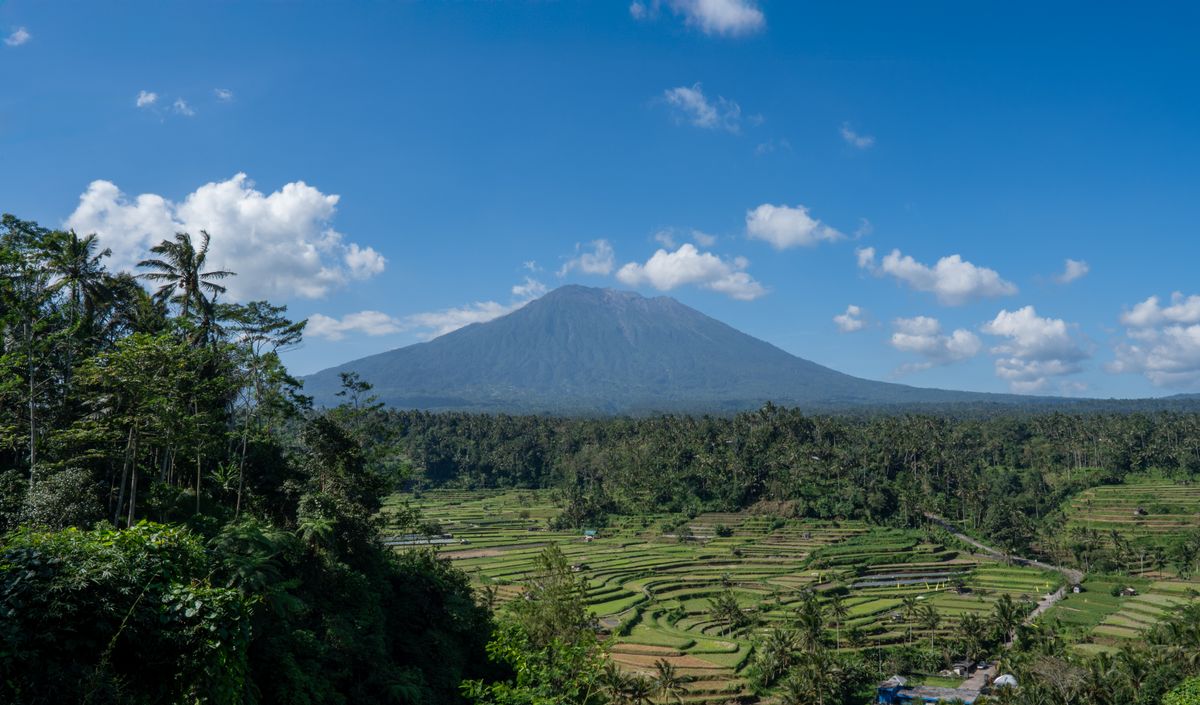
Tegallalang Rice Terraces
Famous lush green valley with traditional Balinese Subak irrigation rice terraces.

Ubud Monkey Forest
Sacred forest sanctuary housing hundreds of Balinese long-tailed macaques and ancient temples.

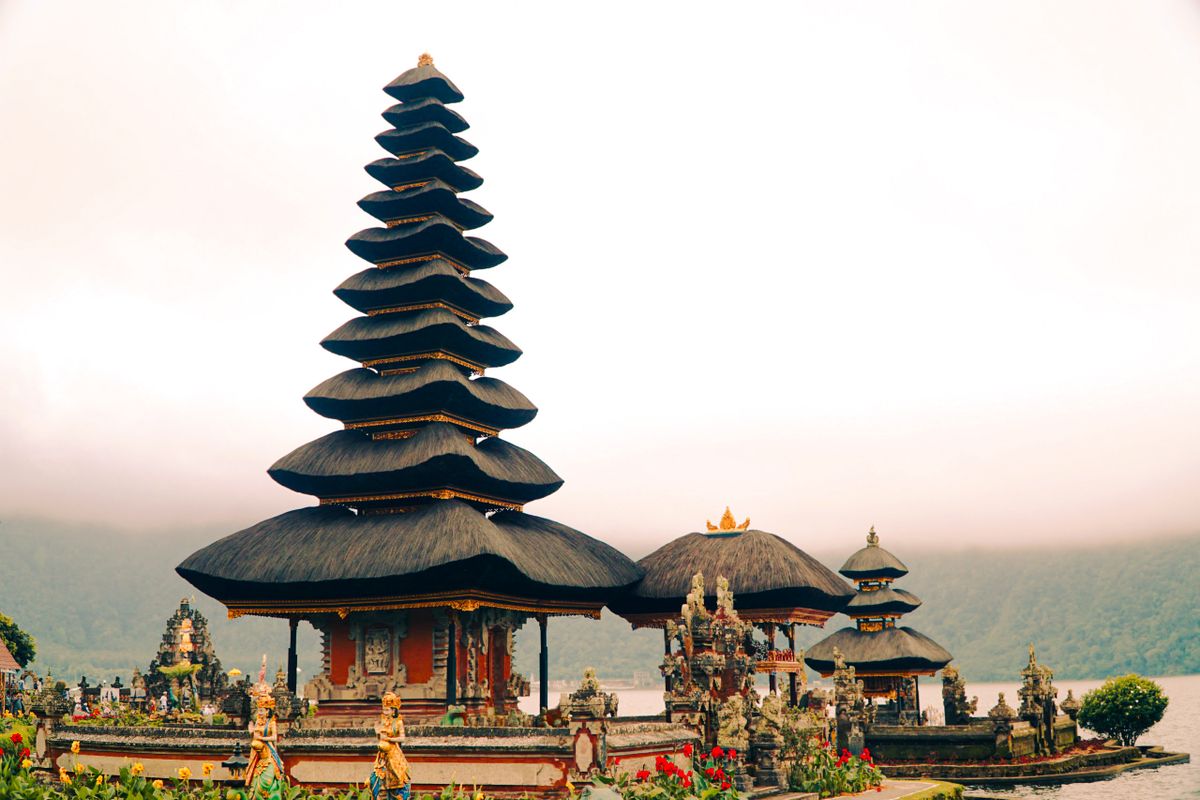
Ulun Danu Beratan Temple
Picturesque water temple floating gracefully on Lake Beratan in Bedugul mountains.
Campuhan Ridge Walk
Scenic ridge walk through lush hills and jungle valleys in Ubud.
What to eat in Bali
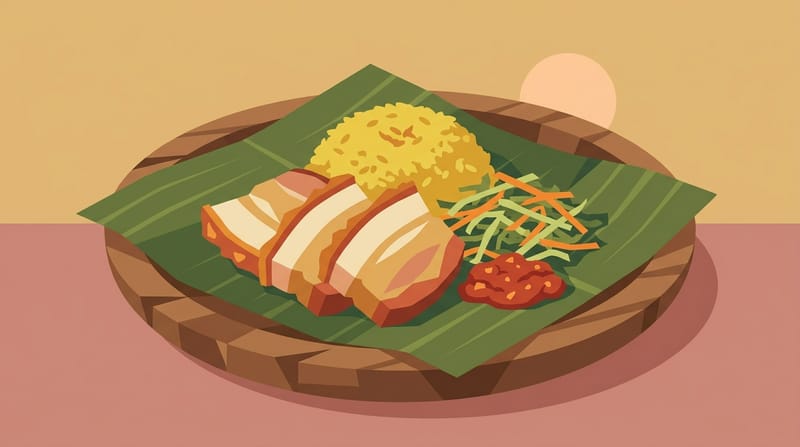
Babi Guling Ibu Oka
Bali's legendary crispy roasted pork specialtyLegendary Balinese roasted pork served with fragrant spiced rice and crispy skin.

Warung Nasi Ayam Kedewatan
Authentic Balinese spiced chicken and rice platterAuthentic Balinese shredded chicken rice bowl served with spicy sambal and crispy side dishes.
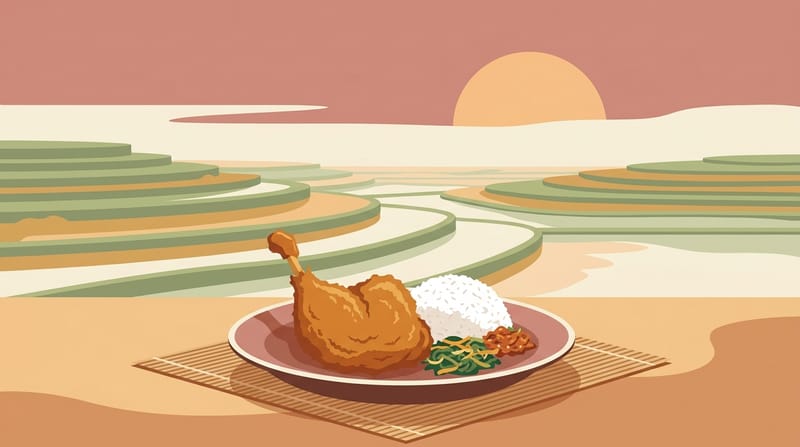
Bebek Tepi Sawah
Famous crispy duck served overlooking rice paddiesCrispy fried Balinese duck served with trio sambals in a serene rice field setting.

Jimbaran Seafood Cafe
Candlelight fresh grilled seafood experience on the beachFreshly grilled seafood served right on the sand during romantic ocean sunset.

The Sayan House
Japanese-South American fusion dining with Ayung River valley viewsJapanese-Latin fusion dining overlooking the breathtaking Ayung River valley.
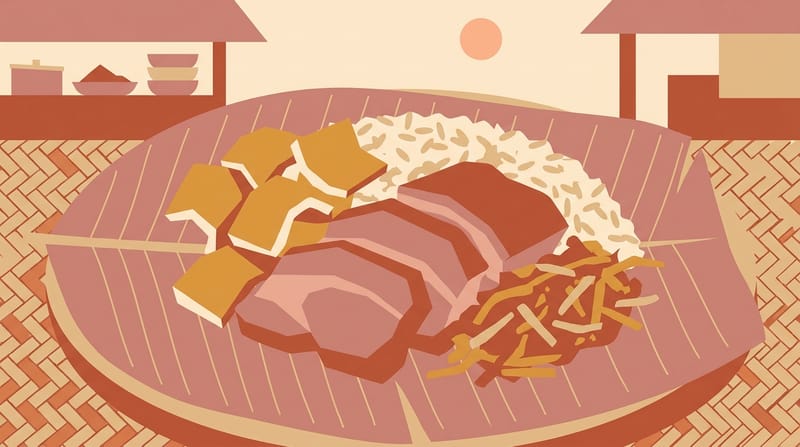
Warung Sanur Babi Guling
Local favorite authentic eatery in Sanur beach areaFresh local specialties prepared with traditional Balinese base genep spice paste.
Where to stay
| Areas | UbudPrice: Medium | CangguPrice: Medium | SeminyakPrice: High | Uluwatu (Bukit Peninsula)Price: High | SanurPrice: Medium |
|---|---|---|---|---|---|
| Atmosphere | The cultural and natural heart of Bali with its rice terraces, temples, yoga centers, and handicraft markets. | The island's most popular modern area with its surf beaches, modern cafes, beach clubs, and vibrant digital nomad community. | A high-quality resort town standing out with its luxury restaurants, chic boutiques, sunset beach clubs, and wide beaches. | The southern region featuring dramatic cliffs, hidden white beaches, world-class surf spots, and luxury cliffside hotels. | An ideal east coast town for families and mature travelers with its calm waters, beachfront promenade, and peaceful atmosphere. |
| Best for | Nature LoversCulture EnthusiastsYoga and WellnessCouples | SurfersDigital NomadsYoung TravelersNightlife Lovers | Shopping LoversGastronomy EnthusiastsLuxury VacationersSunset Watchers | Advanced SurfersScenery LoversHoneymoonersLuxury Seekers | FamiliesTranquility SeekersTravelers with Babies/ChildrenThose transitioning to the Nusa Islands |
| Accommodation profile | PriceMediumNightlifeLowWalkabilityMedium | PriceMediumNightlifeHighWalkabilityLow | PriceHighNightlifeHighWalkabilityMedium | PriceHighNightlifeMediumWalkabilityLow | PriceMediumNightlifeLowWalkabilityHigh |
| Transport | Taxi / Car rentalScooter/Motorcycle | Scooter/MotorcycleTaxi / Ride-hailing | Taxi / Ride-hailingScooter | Scooter/MotorcyclePrivate car / Taxi | WalkingCyclingTrans Metro Dewata busTaxi |
| Advantages |
|
|
|
|
|
| Consider |
|
|
|
|
|
Planning notes.
Researched recommendations, practical information and route decisions.
- Watch Kecak dance at Uluwatu Temple at sunset
- Take a morning walk at Tegallalang rice terraces
- Participate in the purification ritual at Tirta Empul Temple
- Avoid carrying visible food or loose jewelry in Monkey Forest
- Avoid drinking tap water; drink bottled water only
- Avoid driving cars during rush hours due to heavy traffic
- Download Gojek or Grab apps for taxis and food delivery
- Dress respectfully at temples with shoulders and knees covered; many temples require or provide a sarong and sash at the entrance.
- Bargain politely when shopping at local markets
Bali map
What will it cost me?
Figures are per-person daily USD estimates compiled from BudgetYourTrip, Numbeo and recent traveller reports. Flight/ferry tickets not included.
✓ Prices are compiled from real traveller spending. · Last updated: Aug 2026
How many days?
Choose the best route for your schedule.
What to know before you go.
Tourist traps, SIM, money, taxis, safety, health, transit and language — the city in eight answers.
Emergency: 112 · Police: 110 · Ambulance: 119
Riding a scooter without the required valid driving licence/permit or a helmet.
scamBeware of bag snatching while riding scooters in quiet areas at night.
safetyDo not drink tap water; reduce the risk of 'Bali Belly' by using safe drinking water and avoiding food, water, or ice of uncertain hygiene.
healthPublic transit is limited; use Grab/Gojek or hire a private driver for full days.
cardSaying 'Suksma' (Thank you in Balinese) and 'Selamat Pagi' (Good morning) warms hearts.
languageBali: weather and crowds by month
🎒 What to pack
- ✔ Walking shoes
- ✔ Power adapter
- ✔ Umbrella
- ✔ Sunscreen
- ✔ Hat
- ✔ Light clothing
FLIGHTS
Airport to city
Official Airport Taxi (Ngurah Rai Official Airport Taxi Counter)Kuta, Seminyak, Canggu, Ubud, Sanur, and all Bali regions
Between 20 - 120 minutes depending on the destination region
Best for: Passengers with luggage,Those who want to go directly to the hotel door,First-time travelers
Limitations: You may have to wait in line at the counter during peak hours; a fixed zone tariff is applied.
♿ Accessible
↗ Official sourceTrans Metro Dewata Bus (Corridor K2B)Denpasar City Center and Kuta connection points
45 - 75 minutes depending on traffic
Best for: Backpackers,Budget travelers
Limitations: Only goes to specific stops; difficult to use with large luggage, limited frequency of trips.
↗ Official sourceBali: frequently asked questions
How should I choose between Ubud, Seminyak/Canggu, Sanur and Uluwatu for my stay in Bali?
What changes for tourists in Bali on Nyepi?
How can I combine Uluwatu Temple and the Kecak dance in one visit?
Can I visit Tegallalang Rice Terraces and Ubud Monkey Forest on the same day?
Can anyone enter Tirta Empul’s purification pools, and what etiquette should visitors follow?
Related articles