Prague Travel Guide
Centuries of Gothic Towers and Cobblestone Magic along the Vltava
Last updated: 2026-09-05
The city's 24-hour rhythm.
Turn the dial to any hour and it tells you where you should be.
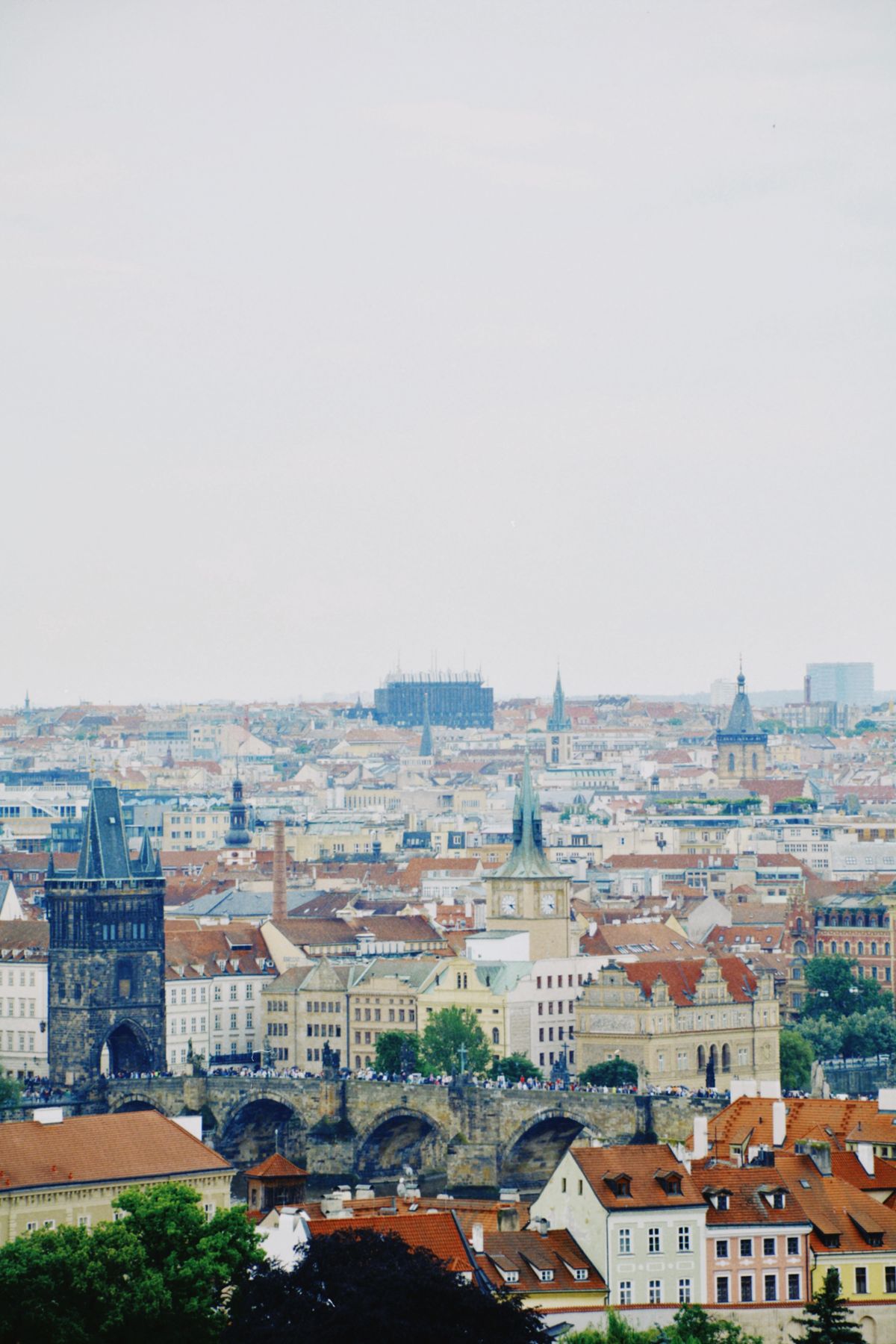
Letná Park Beer Garden
Enjoy local drinks while overlooking the panorama of Prague's historic bridges.
Prague: places to visit
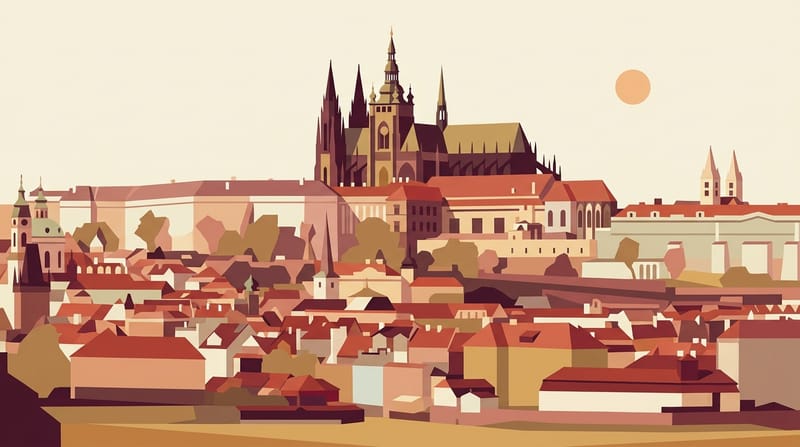
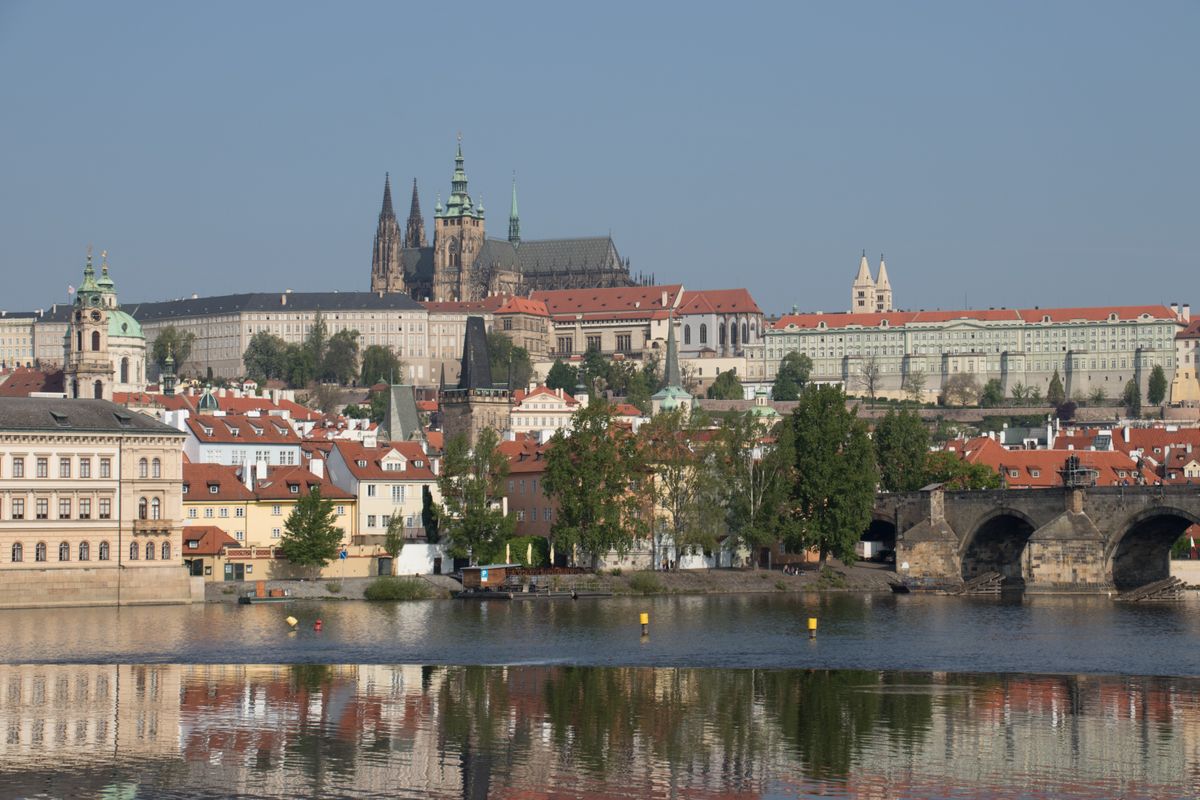
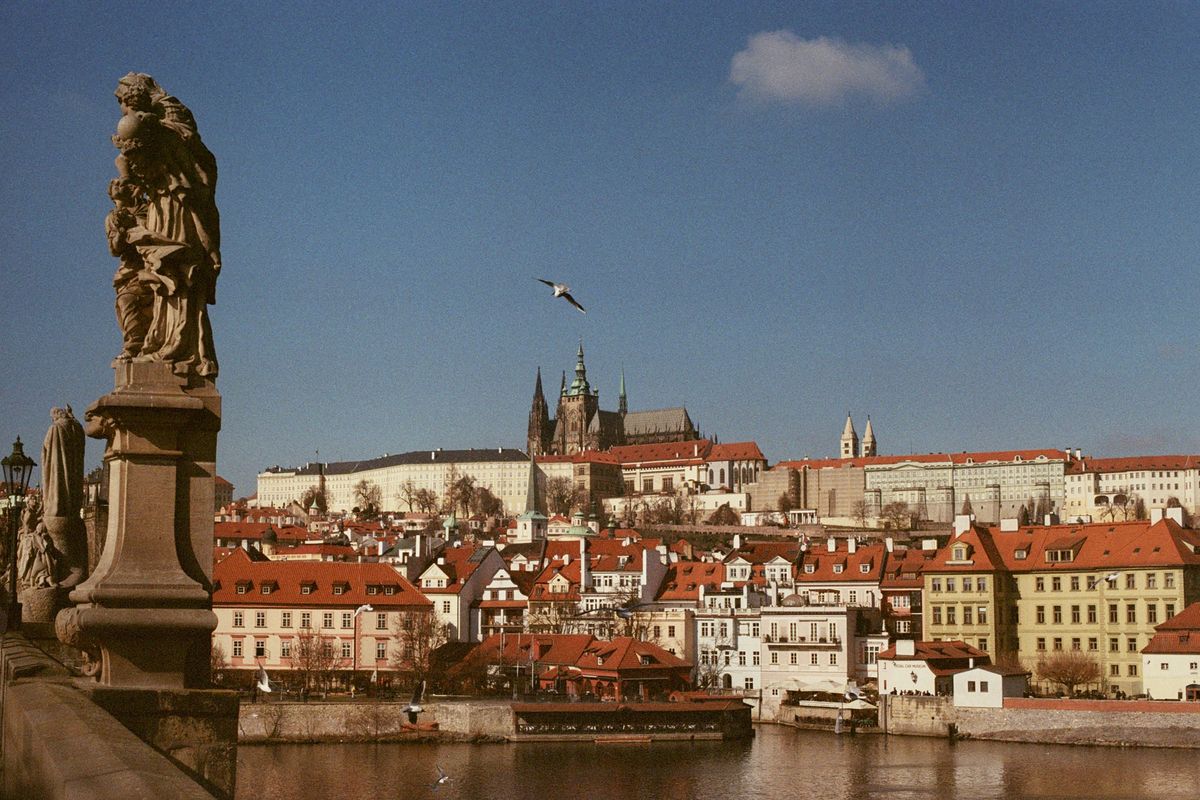
Prague Castle
Prague's grand historic complex brings royal history, courtyards and cathedral architecture together.
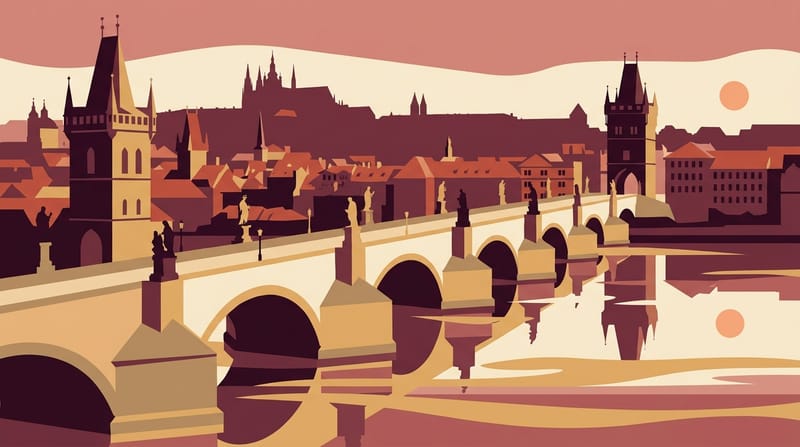
Charles Bridge
The historic bridge across the Vltava is calmest around sunrise and especially atmospheric later in the day.
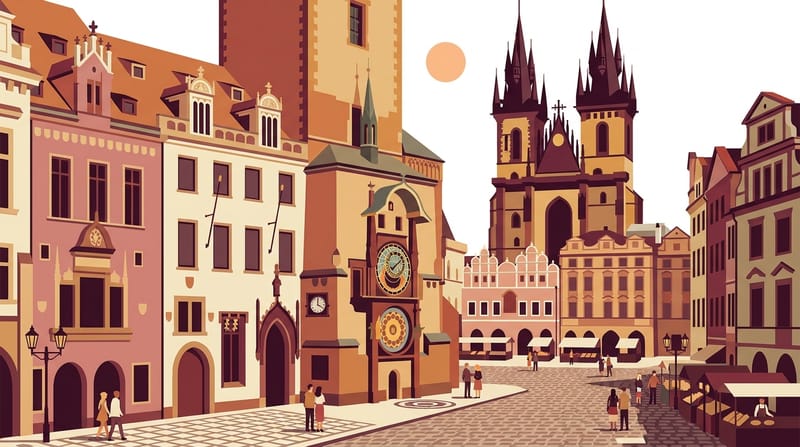
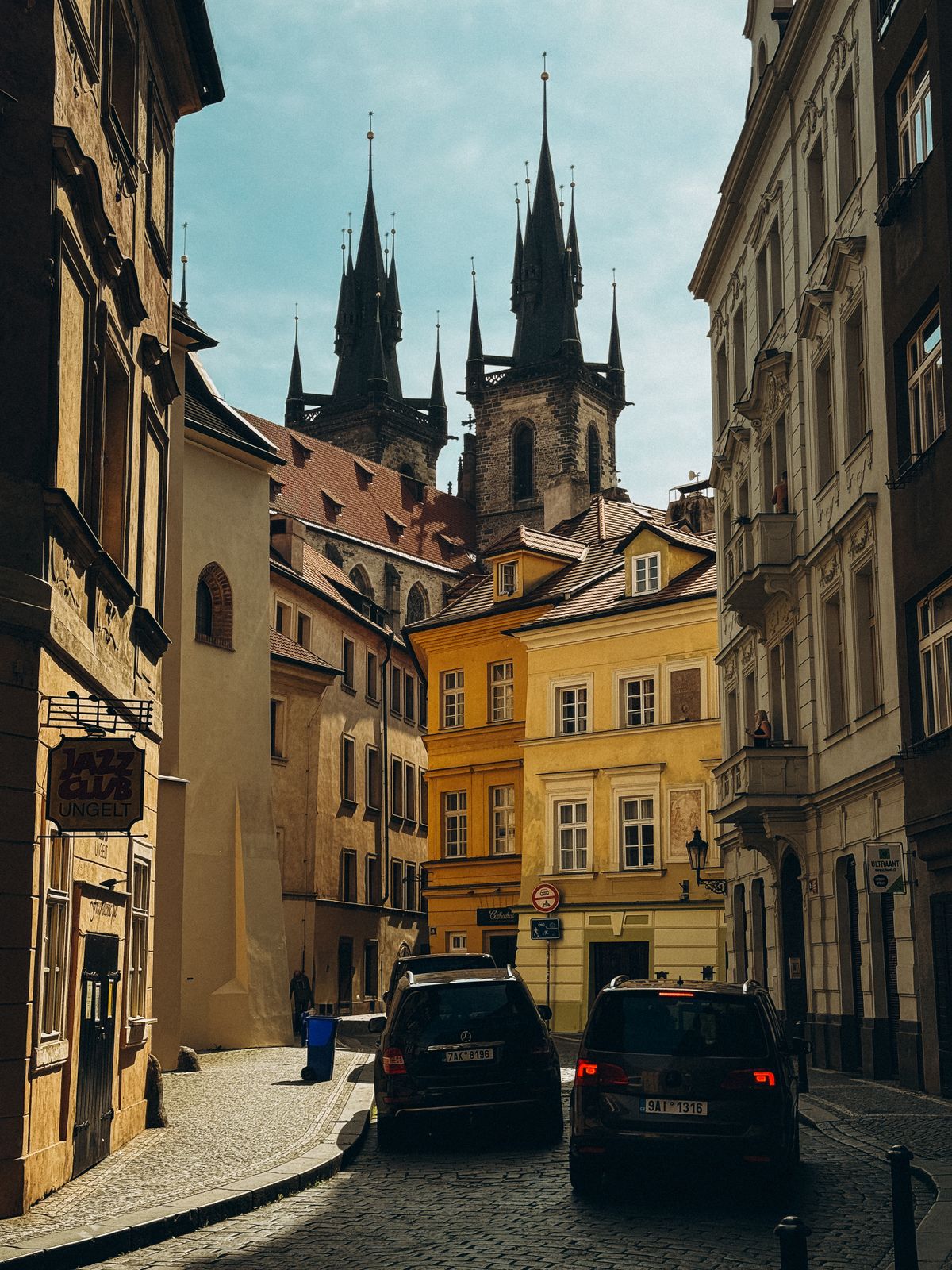
Old Town Square
The city's classic square combines the Astronomical Clock, historic façades and lively street life.
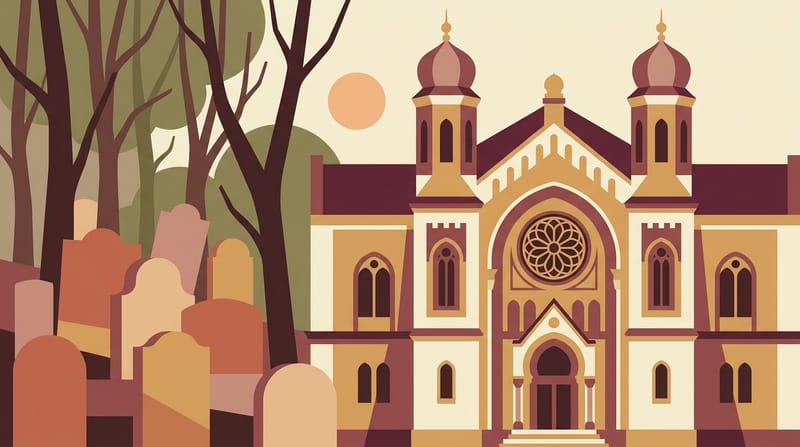
Prague Jewish Quarter
A compact district of synagogues and the Old Jewish Cemetery that tells centuries of Jewish history.

National Museum Complex
A grand museum complex above Wenceslas Square, useful for a deeper look at Czech history.

Petřín Tower
A classic viewpoint over Prague; visiting early makes the climb and observation deck more comfortable.
What to eat in Prague

Svíčková
A creamy Czech classicBraised beef with root vegetables, a creamy sauce and bread dumplings.

Czech Goulash
Goulash with bread dumplingsA rich, paprika-led beef stew usually served with houskový knedlík.

Fried Cheese
Crispy Czech comfort foodBreaded fried cheese, commonly served with potatoes or tartar sauce.

Trdelník
Warm chimney-cake treatSweet dough cooked on a rotating spit, finished with sugar and cinnamon.
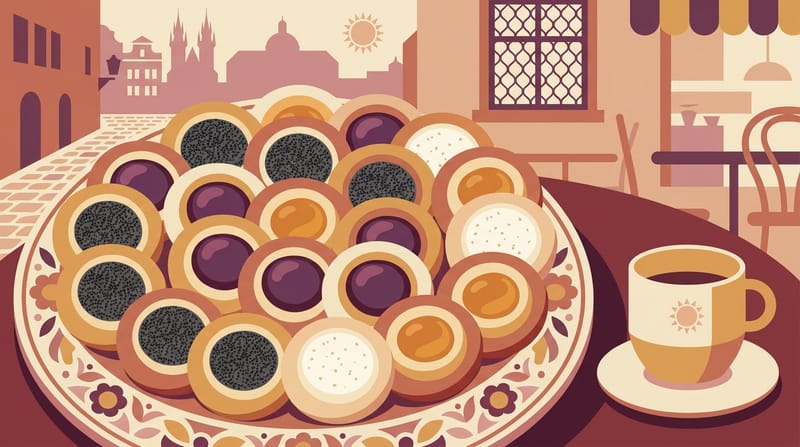
Koláče
Small Czech pastriesSoft pastries filled with fruit or sweet cheese, ideal with coffee.

Vepřo Knedlo Zelo
Pork, dumplings and cabbageRoast pork served with bread dumplings and cabbage, a hearty Czech staple.
Where to stay
| Areas | Staré Město (Old Town)Price: High | Malá Strana (Lesser Town)Price: High | VinohradyPrice: Medium | KarlínPrice: Medium | ŽižkovPrice: Medium |
|---|---|---|---|---|---|
| Atmosphere | One of the most central options for travelers who want to stay in the heart of Prague’s historic center, around Old Town Square and Josefov. | An atmospheric area west of Charles Bridge, known for historic palaces, narrow streets, and proximity to Prague Castle. | Just outside the historic center, it offers a balance between central access and neighborhood life with its orderly urban fabric, squares, and residential character. | East of the historic center, this more contemporary district combines former industrial fabric with modern offices, cultural venues, and newer urban life. | A large district east of the center with a more local and bohemian character, offering a different Prague experience from the historic core. |
| Best for | First-time visitorsTravelers who want to walk to major historic sightsShort city breaks | Travelers seeking a romantic historic atmosphereThose focusing on Prague Castle and Charles BridgeTravelers looking for views and old-city character | Travelers wanting a more local settingLonger staysThose who enjoy cafés and neighborhood life | Travelers wanting a modern, local neighborhoodCafé-and-restaurant-focused staysThose who want to be near the center but outside the tourist core | Travelers seeking a local neighborhood atmosphereThose looking for a more alternative settingTravelers who do not mind staying outside the center |
| Accommodation profile | PriceHighNightlifeHighWalkabilityHigh | PriceHighNightlifeMediumWalkabilityMedium | PriceMediumNightlifeMediumWalkabilityHigh | PriceMediumNightlifeMediumWalkabilityHigh | PriceMediumNightlifeMediumWalkabilityMedium |
| Transport | Because of its central location, walking is one of the main forms of transport.Metro and tram connections around Můstek and Staroměstská make it easier to travel in different directions. | The Malostranská metro/tram connection serves the northern side of the area.Important points in the city centre are readily accessible on foot. | Náměstí Míru metro station is one of the area’s important public transport hubs.The city centre can be reached by metro and tram connections. | The area around Florenc and Křižíkova provides metro connections.Short trips to the city centre can be made by public transport. | Tram lines connect different parts of the neighbourhood with the city centre.The western parts are more suitable for walking toward Vinohrady and the city centre. |
| Advantages |
|
|
|
|
|
| Consider |
|
|
|
|
|
Planning notes.
Researched recommendations, practical information and route decisions.
- Walk across Charles Bridge at sunrise to watch the Vltava River between historic statues
- Watch the Astronomical Clock show in Old Town Square and head up the tower for panorama views
- Explore the striking Gothic architecture of St. Vitus Cathedral inside Prague Castle
- Avoid exchange booths around Old Town Square advertising zero commission but giving awful rates
- Avoid hailing street taxis directly; use mobile apps like Bolt or Uber for fair pricing
- Thinking Trdelník is an ancient Czech tradition and overpaying at tourist street stalls
- Buy transit tickets on the PID Lítačka app and activate them right before boarding
- Prague Castle's courtyards are free throughout the day; visit after 18:00 for a quieter atmosphere, but the historic interiors may already be closed.
- Head up to Vyšehrad Fortress for stunning city views without the heavy tourist crowds
Prague map
What will it cost me?
Figures are per-person daily USD estimates compiled from BudgetYourTrip, Numbeo and recent traveller reports. Flight/ferry tickets not included.
✓ Prices are compiled from real traveller spending. · Last updated: Aug 2026
How many days?
Choose the best route for your schedule.
What to know before you go.
Tourist traps, SIM, money, taxis, safety, health, transit and language — the city in eight answers.
112 — the free EU-wide emergency number for police, ambulance or fire services.
Be careful with ham stands around Old Town Square that sell by weight; the per-100 g price can add up quickly.
scamPrague is very safe; just keep an eye on belongings in crowded spots like Charles Bridge.
safetyTap water is safe and high quality. Emergency services can be reached at 112.
healthBuying a 24-hour or 72-hour pass via the PID Lítačka app covers tram, bus, and metro seamlessly.
cardSaying 'Děkuji' (Thank you) and 'Dobrý den' (Good day) is appreciated by locals.
languagePrague: weather and crowds by month
🎒 What to pack
- ✔ Walking shoes
- ✔ Power adapter
- ✔ Jacket
- ✔ Layers
- ✔ Gloves & beanie
FLIGHTS
Airport to city
Trolleybus 59Nádraží Veleslavín (Metro A)
Airport–Nádraží Veleslavín takes about 15–17 minutes; PID gives around 35 minutes for the connection to the city center.
Best for: Travelers continuing via Metro A toward the city center and areas such as Staré Město / Malá Strana.
Limitations: It does not go directly to the city center; a transfer to Metro A is required at Nádraží Veleslavín.
♿ Accessible
↗ Official sourceBus 100Zličín (Metro B)
Airport–Zličín takes about 16–18 minutes; PID gives around 45 minutes for the connection to the city center.
Best for: Travelers continuing to the western and central sections of Metro B, especially via Zličín.
Limitations: It does not go directly to the city center; a transfer to Metro B is required at Zličín.
↗ Official sourceAirport Express (AE)Praha hlavní nádraží (Main Train Station)
PID gives around 45 minutes for the city-center connection.
Best for: Travelers who want to go directly to the main train station or transfer to an intercity train.
Limitations: It has a separate fare from standard PID single tickets and is more expensive than the 59/100 options with metro transfers.
↗ Official sourcePrague: frequently asked questions
How do you get from Václav Havel Airport to central Prague by public transport, and is there a metro at the airport?
Which parts of Prague Castle are most worth seeing, and how much time should you allow?
What is the best time of day to see Charles Bridge without the biggest crowds?
What happens at Prague’s Astronomical Clock, and where should you stand to watch it?
How should you plan a visit to the Jewish Museum, Old Jewish Cemetery and synagogues in Josefov?




You may also like